
...

2026 Best Premium Granite Base for Global Buyers?

Choosing the 2026 best premium granite base requires more than comparing polished photographs and attractive prices. Global buyers need evidence of stone quality, fabrication accuracy, packing strength, and responsible supply practices.

A premium granite base should show consistent grain, stable density, clean edges, and carefully finished contact surfaces. Ask suppliers for quarry origin, technical specifications, water absorption data, and recent inspection records. A 50-millimeter base can look impressive, yet poor leveling may create stress beneath heavy equipment or architectural installations. Small details matter.

Jim Hieb, former CEO of the Natural Stone Institute, has said, “Quality, craftsmanship, and responsible sourcing are essential to natural stone.” This principle remains useful for international purchasing decisions. It connects material beauty with professional processing and supply-chain accountability. Buyers should also review pallet design, moisture protection, corner reinforcement, and replacement procedures before placing large orders.

The strongest suppliers explain limitations instead of promising perfection. That matters. Granite can vary between batches, even when it comes from the same quarry. Color samples may not represent every delivered slab or base. A reliable exporter should disclose those variations and provide dated inspection images, dimensional tolerances, and clear commercial terms.

This guide examines leading premium granite base options for global buyers in 2026. It considers durability, appearance, customization, documentation, logistics, and long-term value. No ranking is flawless. Site conditions differ, and the cheapest qualified option may sometimes outperform the most expensive one. Careful verification remains essential.
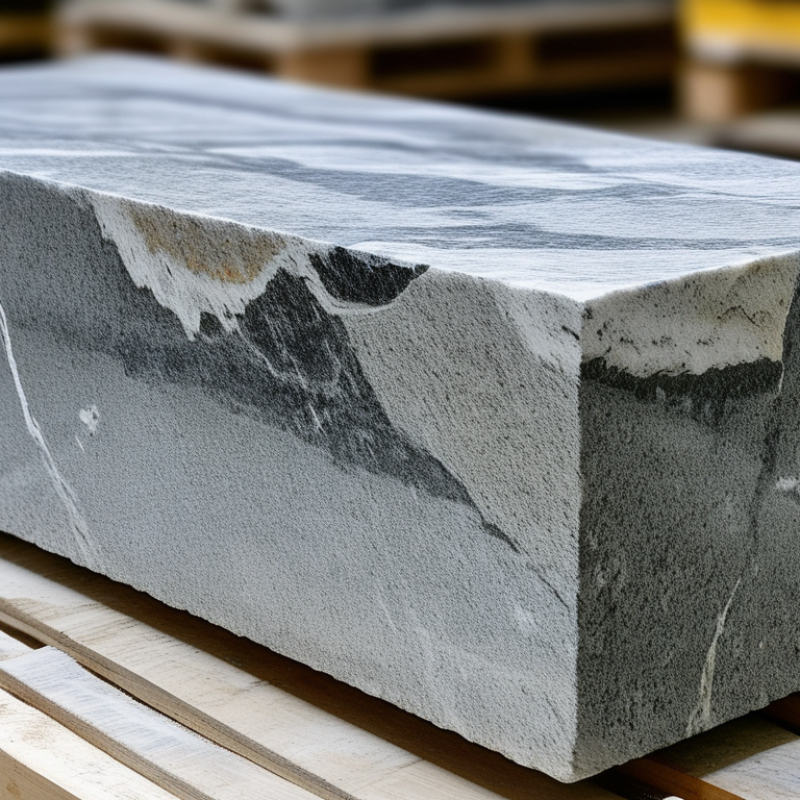
2026 Best Premium Granite Base for Global Buyers?

What Is a Premium Granite Base and Why Does Quality Matter?

A premium granite base is a precisely cut stone plinth that supports a monument, sculpture, sign, or architectural feature. It is not simply a heavy block with a polished surface. The stone should show consistent color, tight grain, limited fissures, and cleanly finished edges. Its dimensions must match the load, anchor system, and installation environment.

Quality matters because granite varies naturally. Some pieces absorb more water or contain hidden weaknesses. The 2024 USGS Mineral Commodity Summaries reported granite as approximately 46% of U.S. dimension-stone production by tonnage in 2022. This scale reflects demand, but it does not guarantee uniform performance. Buyers should request test results based on ASTM C97 for absorption and density, ASTM C880 for flexural strength, and ASTM C615 for granite classification. These records make comparisons more reliable.

In practical inspections, I check the underside, not only the visible face. A polished top can hide bruised corners or poorly drilled anchor holes. Small dimensional errors can become serious during installation. A base exposed to freeze-thaw cycles also needs careful water management and stable bedding. I would specify tolerances, finish samples, packaging protection, and third-party inspection before shipment. That may feel excessive. It is not always enough. Natural stone remains inconsistent, and even experienced buyers can overtrust photographs. A physical sample still deserves attention.

Key Granite Types, Grades, Finishes, and Structural Features

Premium granite bases begin with the stone type, not the color alone. Fine-grained black, grey, and red granites usually offer stable texture and predictable machining. Gabbro and gneiss may look similar, but their mineral structures can differ significantly. The USGS Mineral Commodity Summaries 2025 reported roughly 1.5 million metric tons of U.S. dimension-stone sales or use in 2023, showing the sector’s continuing industrial relevance. Buyers should request quarry origin, petrographic analysis, water absorption, density, and flexural-strength data. ASTM C615/C615M is a useful reference for structural granite, while EN 1341 supports dimensional and performance checks for paving slabs. A color sample is not enough.

Grade selection should match the load, span, climate, and anchoring method. Premium bases commonly use thicker sections, continuous grain, controlled flatness, and carefully finished edges. Polished granite gives sharp visual contrast but can reveal scratches and uneven reflections. Honed surfaces reduce glare. Flamed or bush-hammered finishes improve traction, although they may complicate cleaning. Natural Stone Institute technical guidance emphasizes testing finished stone, not only raw blocks. That matters. A strong block can still fail after cutting. I would specify minimum thickness, allowable warpage, corner radius, fixing points, and inspection tolerances in the purchase contract. One overlooked detail remains common: mixed batches can vary noticeably under different lighting.

2026 Best Premium Granite Base for Global Buyers? - Key Granite Types, Grades, Finishes, and Structural Features

Technical comparison guide for granite bases, plinths, architectural elements, equipment foundations, and heavy-duty exterior applications

Granite Type Typical Geological Character Typical Density Typical Water Absorption Typical Compressive Strength Visual Characteristics Recommended Premium Uses Key Buying Considerations
Fine-Grained Gray Granite Quartz-bearing igneous rock with a relatively uniform fine crystal structure Approximately 2.63–2.70 g/cm³ Approximately 0.20–0.50% Approximately 130–220 MPa Consistent gray background with small, evenly distributed mineral grains Precision bases, monuments, stair components, exterior plinths, and architectural cladding Suitable for projects requiring dimensional consistency and a neutral appearance; inspect for open veins and microcracks
Medium- to Coarse-Grained Gray Granite Granite with visibly larger interlocking quartz, feldspar, and mica crystals Approximately 2.60–2.72 g/cm³ Approximately 0.20–0.60% Approximately 120–210 MPa More pronounced mineral pattern with gray, white, and black grains Heavy bases, retaining elements, outdoor paving, landscape structures, and large architectural blocks Confirm grain cohesion, edge integrity, and resistance to freeze-thaw cycles in cold climates
Commercial Black Granite Often gabbro, anorthosite, or other dark crystalline igneous rock sold commercially as black granite Approximately 2.70–3.10 g/cm³ Typically 0.10–0.40% Approximately 150–280 MPa Black to dark charcoal background; may show fine speckles or subtle directional movement Premium monuments, high-end bases, memorial work, interior counters, and prestige architectural details Verify the geological classification, color stability, finish uniformity, and slab thickness; dark surfaces can show fingerprints and scratches more clearly
Red and Pink Granite Feldspar-rich granite containing pink, salmon, or red potassium feldspar Approximately 2.58–2.72 g/cm³ Approximately 0.20–0.70% Approximately 110–210 MPa Pink, salmon, or red tones with gray, white, or black mineral accents Decorative bases, public art, landscape structures, memorials, and landmark architectural features Check color consistency between batches and assess iron-bearing minerals for possible staining or weathering changes
White and Light Granite Light-colored granite with abundant quartz and feldspar and limited dark minerals Approximately 2.60–2.72 g/cm³ Approximately 0.20–0.80% Approximately 120–220 MPa White, off-white, or pale gray background with fine to coarse mineral patterning Modern façades, interior bases, reception areas, monuments, and clean-lined architectural work Select low-absorption material and perform stain testing where oils, pollution, or food contact are expected
Green Granite Usually a dark igneous stone with green minerals; geological classification varies by deposit Approximately 2.65–3.00 g/cm³ Approximately 0.20–0.80% Approximately 120–240 MPa Green, olive, or green-black tones with variable veining or granular texture Feature bases, memorial applications, luxury interiors, landscape elements, and decorative plinths Confirm long-term color stability, mineral alteration, polish retention, and compatibility with outdoor exposure
Selection Grade Recommended Quality Benchmark Surface and Appearance Requirements Typical Structural Suitability Best-Fit Applications Documents and Tests to Request
Premium Grade Low absorption, consistent density, strong mechanical performance, and stable color Uniform tone, tight grain, minimal open fissures, clean edges, and no visible resin-filled structural defects Suitable for demanding exterior bases, heavy architectural components, monuments, and precision-fabricated work, subject to engineering design High-visibility commercial, civic, luxury residential, and long-life outdoor projects Independent laboratory test report, petrographic description, water absorption, density, compressive strength, flexural strength, abrasion, and freeze-thaw data where relevant
Standard Commercial Grade Sound stone with acceptable variation in color, grain, absorption, and minor natural features Minor veins, mineral spots, and filled natural fissures may be acceptable if they do not compromise performance Suitable for most interior bases, moderate-duty exterior elements, paving, and general architectural work Projects balancing appearance, availability, and cost Batch inspection, dimensional tolerance report, basic physical-property test data, and approved reference sample
Economy or Utility Grade Higher natural variation and potentially higher absorption; performance must be confirmed for the intended service environment More visible movement, color variation, mineral inclusions, or repaired areas may be present Appropriate for low-risk decorative work or protected indoor applications after inspection Budget-sensitive interiors, non-critical landscape features, and concealed or low-visibility components Visual inspection, dimensional checks, absorption testing, and project-specific approval before production
Finish Appearance Approximate Surface Behavior Slip and Maintenance Considerations Recommended Applications
Polished Glossy, reflective surface with strong color depth Very smooth and visually dense; may emphasize scratches, fingerprints, and mineral variation Can be slippery when wet; regular cleaning is required in high-touch areas Interior bases, reception counters, monuments, feature walls, and prestige decorative elements
Honed Matte to satin appearance with reduced reflection Smoother than textured finishes but generally less reflective than polished stone Usually easier to maintain visually than polished stone; sealing may be required depending on absorption Interior floors, plinths, stair components, wall panels, and contemporary architectural bases
Flamed Uniformly textured surface created by controlled thermal treatment Opens the surface texture and reduces gloss; appearance can vary with mineral composition Improved wet traction compared with polished granite; suitable for many exterior applications Outdoor bases, steps, paving, terraces, pool surrounds, and landscape structures
Bush-Hammered Regularly textured, lightly roughened surface with a natural stone character Higher texture and reduced reflectivity; can mask minor visual variation Good traction potential, but deeper texture may retain dirt and require more cleaning Exterior plinths, public spaces, façades, paving, and robust landscape features
Leathered Textured matte surface with subtle undulations and low sheen Retains some color depth while providing a tactile, non-uniform texture Typically requires routine cleaning of textured areas; sealing should be evaluated by absorption Premium interior bases, counters, feature elements, and protected exterior applications
Sawn or Raw-Cut Flat, low-sheen surface showing the natural cut texture More open and rough than honed or polished finishes Often selected where further finishing, bonding, or concealed installation is planned Structural blocks, concealed bases, foundation components, and surfaces intended for later finishing
Structural Feature Recommended Premium Benchmark Why It Matters for a Granite Base Inspection Method
Dimensional Accuracy Consistent length, width, thickness, squareness, and flatness within the project specification Improves load transfer, alignment, installation speed, and visual quality Measure with calibrated tools; compare against approved drawings and tolerances
Low Water Absorption Preferably low and consistent absorption for exterior or wet environments; the project specification should define the limit Reduces staining, moisture-related deterioration, and freeze-thaw risk Laboratory water-absorption test and review of batch consistency
Compressive Strength Common sound granite values are approximately 100–250 MPa; the required value depends on design loads Indicates resistance to crushing under concentrated or distributed loads Test representative samples in accordance with the selected standard
Flexural Strength Common values are approximately 8–25 MPa, subject to stone type, orientation, and test method Important for slabs, projecting edges, thin sections, and components exposed to bending Obtain flexural test data and consider natural bedding, grain direction, and support conditions
Abrasion Resistance Performance should match traffic, contact, and cleaning conditions Helps preserve finish quality on floors, thresholds, steps, and frequently touched bases Request abrasion or wear test results appropriate to the intended application
Freeze-Thaw Durability Required for regions with repeated freezing and thawing, especially where the stone can remain saturated Identifies the risk of cracking, scaling, and loss of finish in cold climates Review freeze-thaw test results and confirm installation drainage details
Crack and Fissure Control Premium material should have no structurally significant cracks, loose veins, or unstable repairs Defects can reduce load capacity and cause breakage during transport, anchoring, or service Inspect all faces, edges, corners, anchor zones, and repaired areas under suitable lighting
Edge and Corner Integrity Edges should be straight, sound, and free from chips that exceed the approved tolerance Protects visible appearance and reduces local stress concentration during installation Visual inspection plus dimensional and squareness checks
Anchoring and Load Transfer Anchor locations, hole sizes, embedment, and bearing surfaces must be designed for the actual stone and loads Granite bases can fail locally if anchors are too close to edges or loads are highly concentrated Engineer-reviewed shop drawings, mock-up approval, and site verification before fixing

Technical note: Values shown are indicative ranges for natural granite and related commercial stone categories. Actual performance varies by quarry, mineral composition, orientation, finish, thickness, and test method. Final selection should be based on project-specific laboratory reports, applicable local standards, engineering calculations, and an approved physical sample.

How to Evaluate Granite Base Durability and Design Compatibility

2026 Best Premium Granite Base for Global Buyers?

How to Evaluate Granite Base Durability and Design Compatibility

A premium granite base should withstand weight, moisture, temperature changes, and repeated handling. Ask for the stone’s density, water absorption, flexural strength, and test standards. These details matter more than a glossy sales photograph.

Inspect the edges closely. Clean cuts, even thickness, and small tolerances support safer installation. For outdoor projects, confirm freeze-thaw performance and resistance to surface scaling. Coastal buyers should also consider salt exposure and metal fastener corrosion. A dense stone usually performs better, but workmanship still controls the final result.

Design compatibility requires more than matching colors. Place a physical sample beside the intended structure, flooring, and lighting. Gray granite may look cool outdoors but appear warmer under indoor lamps. Check the finish with dry and wet surfaces. Slippery polished surfaces can create practical concerns. Honed or flamed textures may offer better grip, though they can collect dirt.

I have seen buyers approve a beautiful sample before checking the actual dimensions. The delivered pieces then required costly adjustments. That mistake is easy to repeat. Request shop drawings, corner details, packing photographs, and a trial piece before production. Confirm the base can accept anchors without cracking. Verify weight limits with a qualified installer. Good documentation cannot replace inspection, but it reduces uncertainty. Granite is durable, not indestructible.

Global Buying Standards, Certifications, and Supplier Verification

A premium granite base should meet more than a polished appearance. Global buyers need stable dimensions, low water absorption, and consistent stone density. Ask for the quarry origin and material grade. Request recent laboratory reports, not scanned documents reused for years. Small details matter.

Certifications should match the product and destination market. An ISO 9001 certificate shows management controls, but it does not prove granite quality. Test reports should identify the sample, testing date, methods, and issuing laboratory. Check accreditation through the relevant national body. A logo alone proves little. Verify it independently.

Supplier verification needs practical evidence. Review factory photos, cutting equipment, packaging methods, and quality records. Request a pre-production sample with measured length, width, flatness, surface finish, and edge tolerance. Compare the sample with the mass-production inspection plan. I have seen attractive samples followed by uneven batches. That gap deserves attention. Use an independent inspection when order value or installation risk is high. Confirm the supplier’s export experience, traceable invoices, and response time for defects. Keep written specifications, because informal promises often disappear. Even experienced buyers can overlook crate strength or moisture protection during long-distance shipping. Reflect on the full supply chain, not only the stone.

2026 Best Premium Granite Base for Global Buyers?

Global Buying Standards, Certifications, and Supplier Verification

This timeline shows the publication years of widely used standards and certification frameworks relevant to international granite-base purchasing. Product standards should be checked together with laboratory test reports, dimensional inspection records, certification scope, and traceable supplier documentation.

Reference standards: ASTM C615/C615M-23, EN 1469:2015, ISO 9001:2015, ISO 14001:2015, and ISO 45001:2018. Certification to a management-system standard does not by itself prove that a specific granite product meets technical requirements.

Shipping, Installation, Maintenance, and Long-Term Cost Considerations

2026 Best Premium Granite Base for Global Buyers?

Shipping, Installation, Maintenance, and Long-Term Cost Considerations

A premium granite base begins with accurate measurements and realistic shipping planning. Granite is dense, so freight charges can exceed initial expectations. Confirm the packed weight, crate dimensions, unloading method, and delivery access before payment. A narrow gate or weak loading area may require special equipment. Measure twice. It still happens.

International buyers should request clear stone specifications, including thickness, finish, edge treatment, and acceptable color variation. Natural granite never looks perfectly uniform. That difference can be attractive, but it may disappoint buyers expecting identical samples. Ask for recent production photos and written inspection standards. A moisture-resistant crate, corner protection, and shock indicators can reduce transit damage. However, packaging cannot correct poor handling.

Installation needs a level, stable foundation with proper drainage. Uneven support can create stress, cracks, or rocking after seasonal temperature changes. A qualified local installer should verify the site conditions and follow the supplier’s technical guidance. Maintenance is usually simple: use a pH-neutral cleaner, wipe spills quickly, and avoid abrasive pads. Resealing intervals depend on the stone’s porosity and exposure, not a fixed calendar.

Long-term cost includes cleaning, possible resealing, equipment rental, repairs, and replacement risk. Choosing the cheapest freight option may become expensive after one damaged shipment. My practical view is less romantic: premium stone is valuable only when logistics and installation are treated as part of the product.

Article Source:

ICB_lOGO_2023