2026 Top Perfume Boxes Trends What to Look For?
In the world of fragrance, packaging plays a crucial role. Perfume boxes are not just containers; they are an extension of the brand's identity. In 2026, emerging trends in these boxes reflect changes in consumer preferences and sustainability. Designers are rethinking the aesthetics of perfume boxes.
Minimalism is gaining popularity, with sleek designs and clean lines. Natural materials like recycled paper are becoming favored choices. These choices resonate with eco-conscious consumers. Yet, some brands still resist these shifts, clinging to traditional ornate designs. How will they adapt?
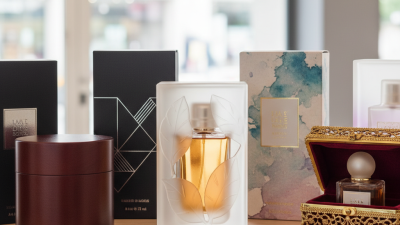
As trends evolve, brands must reflect on their packaging strategies. A powerful perfume box can enhance the allure of its scent. Color, texture, and shape all contribute to the overall experience. Consumers are increasingly drawn to unique, artistic designs. Those who ignore this may find their products overlooked. The perfume industry stands at a crossroads, where innovation in perfume boxes can make or break a brand's identity.
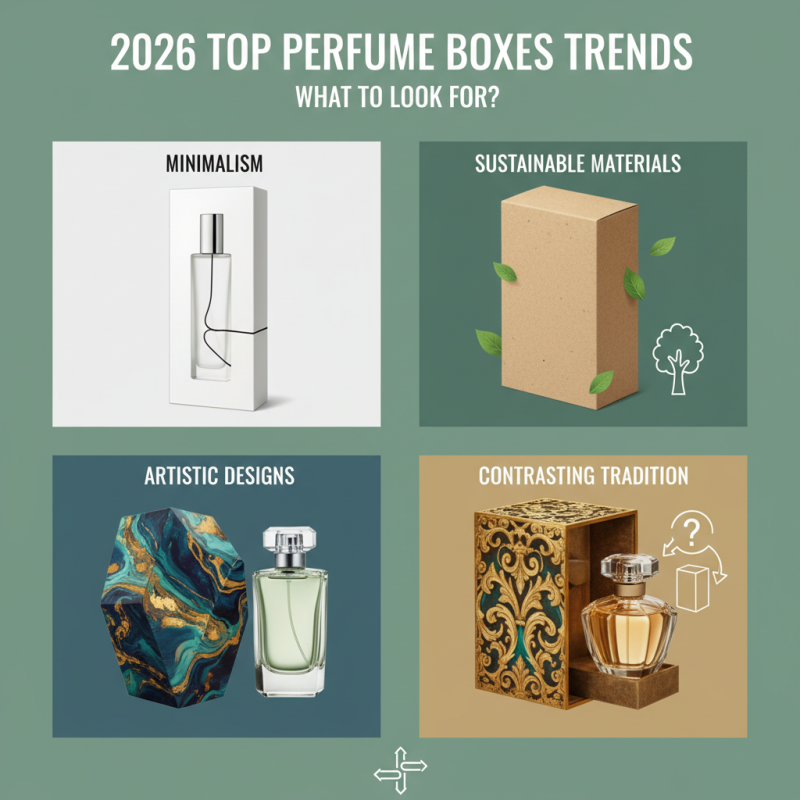
Emerging Materials and Sustainability in Perfume Box Designs
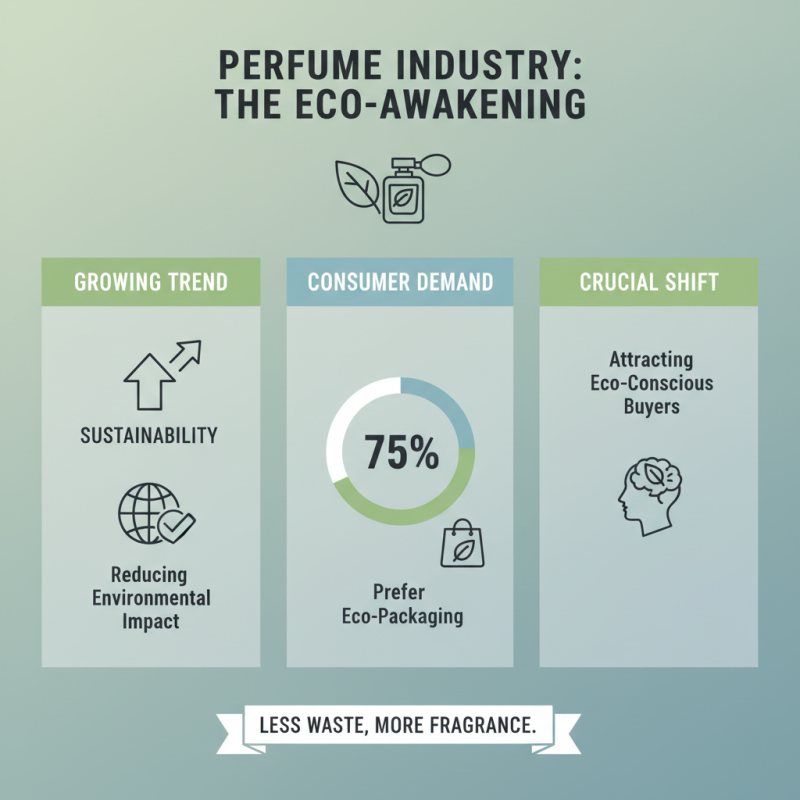
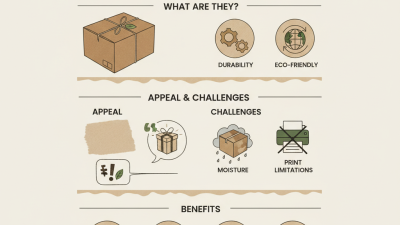
Sustainability is a growing trend in the perfume industry. Brands are recognizing the need to reduce their environmental impact. According to a recent report, around 75% of consumers prefer eco-friendly packaging options. This shift is crucial for attracting eco-conscious buyers.
Emerging materials are at the forefront of this transformation. Biodegradable and recycled materials are gaining popularity. A study found that 60% of brands plan to adopt these sustainable materials by 2026. These innovations reduce waste and showcase a commitment to the planet.
However, challenges remain. Not all sustainable materials can offer the luxury look that consumers expect. Some biodegradable options may lack durability. Brands must balance aesthetics and sustainability to meet consumer expectations. Finding the right materials is a complex issue. It requires ongoing research and adaptation. Ultimately, the future of perfume boxes lies in responsibly sourced, eye-catching designs.
Innovative Shape and Structural Designs for 2026 Perfume Packaging
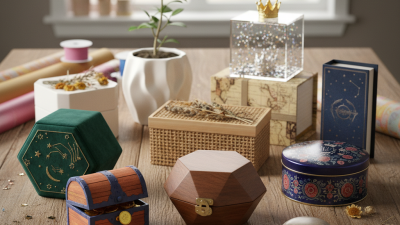
In 2026, perfume packaging is set to embrace innovative shapes and structures. Expect to see designs that challenge traditional forms. Round, asymmetrical containers and geometric shapes will dominate the shelves. These unique profiles will not only attract attention but also enhance the user experience.
Consider the use of unexpected materials. Recycled and biodegradable options will gain traction. Colors will be bold and vivid while incorporating matte finishes for a modern touch. Transparent sections might showcase the fragrance itself, creating a visual connection. However, some designs may prioritize aesthetics over functionality, leading to usability concerns.
Sustainability will remain a hot topic, prompting brands to rethink their packaging strategies. Minimalist approaches will be contrasted with extravagant displays. Striking a balance between environmental responsibility and visual allure may prove challenging. The future of perfume boxes will be a reflection of creative risks and the continuous quest for relevance in an ever-evolving market.
Color Trends: Palette Choices for Perfume Boxes in 2026
As we approach 2026, color trends for perfume boxes are evolving. These trends reflect consumer preferences and cultural shifts. Soft pastels may dominate, providing a calming presence. Think of lavender, mint green, and pale peach. These colors evoke serenity and nature.
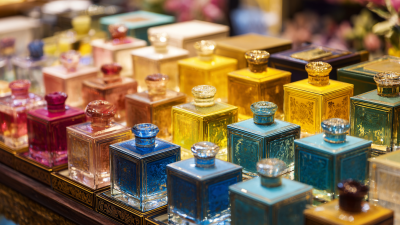
Bold colors will also make a statement. Deep blues and vibrant oranges can create a striking contrast. These colors attract attention on shelves. They convey confidence and energy. Such choices may appeal to a younger audience who loves self-expression.
Sustainability brings new dimensions to color. Eco-friendly materials often have unique hues. Natural dyes might offer unexpected shades. Brands may need to consider this aspect carefully. Not every combination works. It's essential to balance aesthetics and environmental impact. Taking risks can lead to breakthroughs, but brands must tread wisely. The right palette can tell a story and resonate deeply with consumers.
2026 Top Perfume Boxes Color Trends
Personalization and Customization Trends in Perfume Packaging
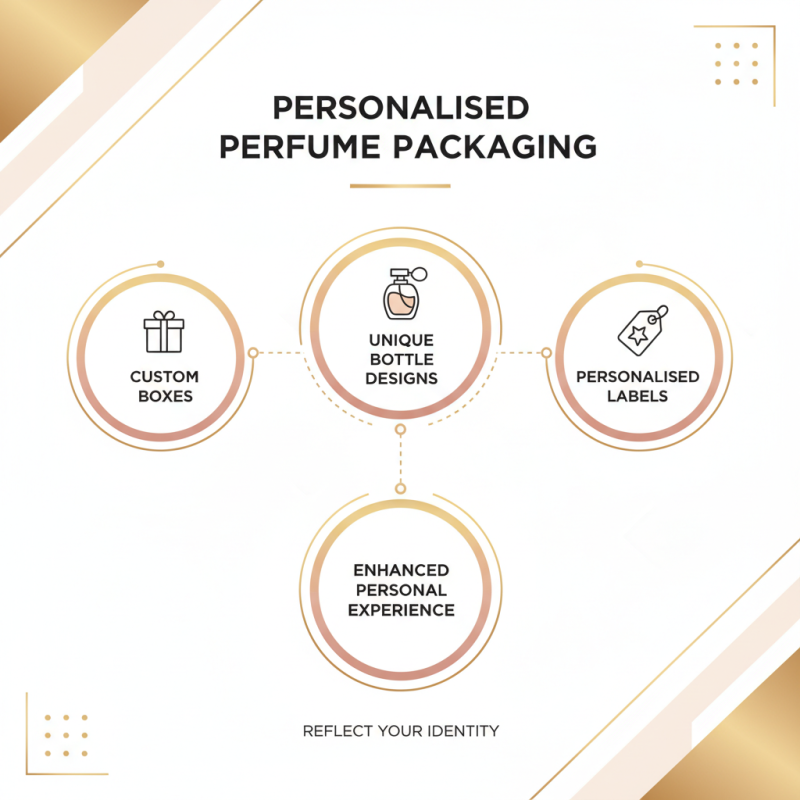
In recent years, personalization in perfume packaging has taken center stage. Customers seek unique experiences that reflect their personality. Customized boxes, labels, and even bottle designs enhance the overall appeal. This trend allows consumers to create a fragrance experience that feels uniquely theirs.
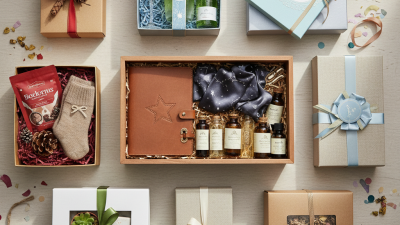
The craft of customizing perfume boxes has flourished. Brands are increasingly offering options for bespoke packaging. Consumers can choose colors, textures, and styles that resonate with them. This trend speaks to the desire for individuality in a market filled with uniformity. However, the challenge lies in balancing creativity with practicality. Not all designs are user-friendly or functional.
Moreover, personalization should not compromise sustainability. Many consumers care about eco-friendly practices. Finding materials that allow for customization while being environmentally conscious is crucial. This creates a tension between creativity and responsibility. Companies must reflect on their choices and the impact on future trends. Each box tells a story, but it must be a story worth telling.
Integration of Technology in Perfume Box Design and Functionality
The integration of technology into perfume box design is transforming the industry. According to recent market analyses, the global smart packaging market is estimated to reach $39 billion by 2026, indicating a significant shift in consumer expectations. With this growth, innovative features are becoming more commonplace. Digital printing technology enables unique designs on packaging, enhancing brand storytelling.
Smart functionalities like QR codes allow customers to access fragrance details or brand stories instantly. This interactive element can enhance the unboxing experience. Additionally, some companies are exploring augmented reality (AR) experiences. An AR feature can provide customers with visual representations of how the fragrance is made. Engaging consumers in this way adds a layer of depth to their purchase.
However, challenges remain in achieving a seamless integration of these technologies. Not all customers embrace tech-oriented solutions. Some may find excessive features overwhelming or unnecessary. Balancing aesthetic appeal with functional innovation is crucial. Design should evoke the essence of the fragrance without distraction. As brands experiment more, they must reflect on what truly enhances the customer experience. It’s a complex dance of creativity and practicality.
 Skip to content