What is Bespoke Packaging and How Does It Work?
Bespoke packaging is revolutionizing the way brands connect with their customers. As noted by industry expert John Smith, “Custom packaging is not just a trend, but a necessity for standing out.” This personalized approach goes beyond mere aesthetics. It reflects a brand's identity and values, engaging consumers on a deeper level.
In a world saturated with generic options, bespoke packaging offers distinct advantages. It allows brands to convey their unique story and enhance product appeal. However, creating effective bespoke solutions can be challenging. Balancing creativity with functionality requires thoughtful consideration, and not every effort results in the desired impact. Brands must be willing to reflect on their packaging choices and adjust accordingly.
Despite the potential pitfalls, bespoke packaging provides an opportunity for brands to innovate and attract attention. The tactile experience of well-designed packaging can influence purchasing decisions. Yet, it is crucial to remember that custom solutions should serve a purpose, meeting both brand goals and consumer expectations. Perfecting this art is an ongoing journey, and reflection on past choices is vital for growth.
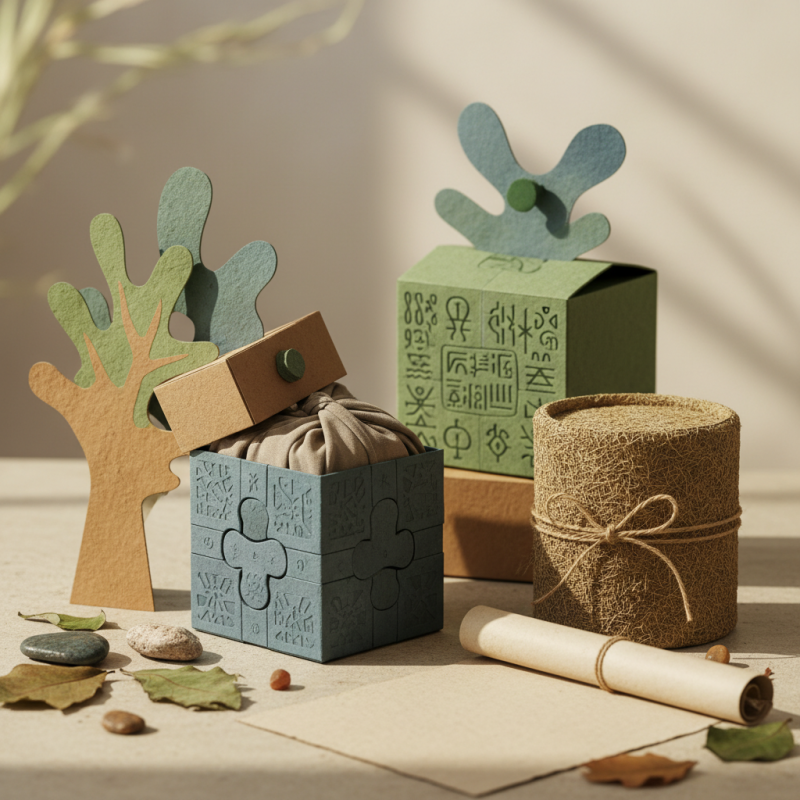
What is Bespoke Packaging?
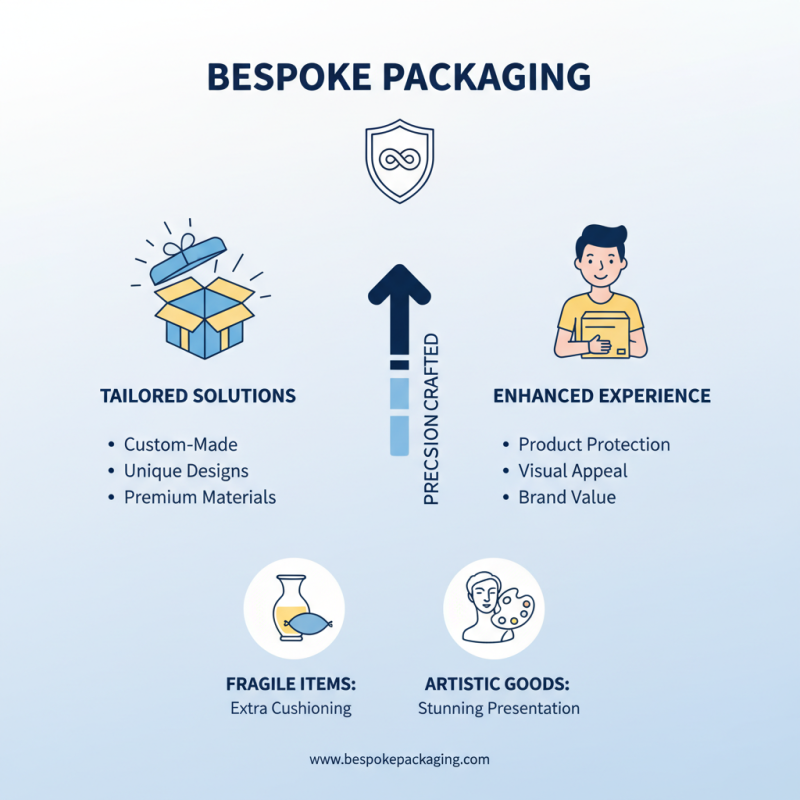
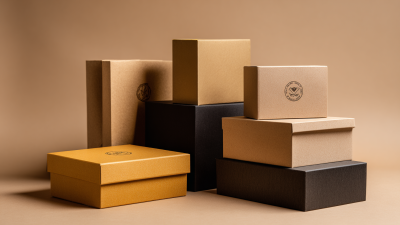
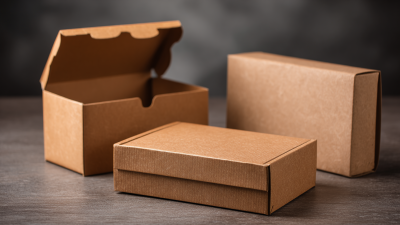
Bespoke packaging refers to custom-made solutions tailored to specific products. This approach goes beyond traditional packaging by offering unique designs and materials that enhance the customer experience. Each order is created with precision, ensuring that the packaging fits the product perfectly. For example, a fragile item might require extra cushioning, while an artistic piece may demand a stunning visual presentation.
The process of bespoke packaging involves collaboration. Designers work closely with clients to understand their needs. Many times, ideas are exchanged back and forth. This back-and-forth can be challenging. Sometimes, the selected materials do not align with the overall vision. It requires careful consideration and often multiple prototypes before arriving at the final design.
Bespoke packaging can also reflect the brand's identity. It communicates values and aesthetics effectively. However, it is not just about looks. Functionality is key. A beautifully packaged product may not succeed if it is difficult to open or does not protect the item inside. There’s an ongoing need for balance. This journey of creating bespoke packaging can be rewarding but also filled with unexpected hurdles and reflections on what truly matters in presentation.
The Importance of Customization in Packaging Solutions
Customization plays a crucial role in packaging solutions. It enhances the customer experience and builds brand loyalty. When packaging is tailored, it stands out on shelves. Unique designs attract attention and communicate a brand's message effectively.
Bespoke packaging allows for creative freedom. Brands can choose colors, sizes, and materials that resonate with their identity. However, many companies overlook the importance of functionality. A beautiful package should also protect the product. Striking that balance is challenging but necessary.
Also, it’s vital to consider eco-friendliness. Custom packaging should minimize waste and use sustainable materials. Some brands focus solely on aesthetics, neglecting environmental impact. This oversight can harm their reputation. Reflecting on these aspects can lead to better packaging strategies that resonate with consumers.
What is Bespoke Packaging and How Does It Work? - The Importance of Customization in Packaging Solutions
| Dimension |
Description |
Importance |
| Material |
Customizable materials such as paper, cardboard, and plastics. |
Enhances product protection and aligns with brand identity. |
| Size |
Custom fit for products to minimize waste and maximize efficiency. |
Improves unboxing experience and reduces shipping costs. |
| Design |
Textures, colors, and branding elements tailored to the product. |
Increases brand recognition and aesthetic appeal. |
| Functionality |
Unique features such as tamper-evident seals and easy-open systems. |
Enhances user convenience and product security. |
| Sustainability |
Use of eco-friendly materials and processes. |
Appeals to environmentally conscious consumers and reduces environmental impact. |
Key Features and Benefits of Bespoke Packaging
Bespoke packaging offers unique advantages for businesses. One key feature is its ability to enhance brand identity. According to a report by Smithers Pira, over 70% of consumers consider packaging important in their purchase decisions. Custom designs attract attention and establish a strong presence on shelves. This personalization can increase brand loyalty and consumer engagement.
Another benefit lies in improved product protection. Tailored packaging often includes specific cushioning and sizing that prevents damage during transit. A study by Packaging Strategies indicates that 30% of damaged goods could be avoided with proper packaging solutions. This can lead to reduced shipping costs and fewer returns. However, striking a balance between customization and cost efficiency remains a challenge for many. Not every bespoke solution is viable for every budget or product type.
Sustainability is also crucial. Many companies feel torn between customized designs and eco-friendly materials. A survey from Packaging Digest shows that 62% of consumers prefer sustainable packaging, yet creating it can be complex. Choosing the right materials without sacrificing design can be a daunting task. Thus, brands must continuously adapt and seek innovative ways to meet consumer expectations while managing costs.
The Process of Creating Bespoke Packaging
Creating bespoke packaging is an intricate process. It begins with understanding the client's needs. This requires a deep dive into the product specifications, target audience, and brand identity. Accurate measurements and materials selection play a crucial role. This is where the creativity kicks in. Designers sketch various ideas, exploring shapes, colors, and textures that resonate with the brand.
Once the designs are conceived, prototypes are produced. This step is vital. Sometimes, the initial prototypes do not meet expectations. Adjustments may be needed in terms of size or material. Feedback from potential users can provide valuable insights. It's a learning experience, often leading to unexpected changes. Communication between designers and clients is key here. Misunderstandings can lead to delays or increased costs.
After finalizing the prototype, production begins. It's essential to ensure quality throughout the manufacturing process. There can be challenges, such as sourcing sustainable materials or managing timelines. Even well-planned projects can encounter hiccups. Every step requires careful attention to detail. The goal is to create packaging that not only protects but also elevates the product's appeal. This blend of function and aesthetics is where bespoke packaging truly shines.
Applications and Industries Utilizing Bespoke Packaging
Bespoke packaging is tailored to meet specific needs across various industries. It is not just about aesthetics; it's functional too. Many sectors, from cosmetics to electronics, have adopted bespoke packaging for distinct advantages. For example, the cosmetics industry often uses custom boxes to create a luxurious feel that enhances product appeal. These unique designs can influence a buyer's decision at first glance.
The food industry also benefits significantly from bespoke packaging. Custom containers can keep products fresh longer while also providing branding opportunities. Sustainable options are increasingly popular, appealing to environmentally conscious consumers. Packaging that reflects the brand's values can create a stronger connection.
Tip: Consider the materials you use. Eco-friendly packaging can enhance your brand image while benefiting the planet. Think about functionality too. Packaging that is easy to open and reseal can improve user experience dramatically. The design process should also accommodate feedback. Some ideas may sound great but may not work in practice. Always test your designs before final production.
 Skip to content