What Are the Best Apparel Boxes from China?
Choosing the best apparel boxes from China requires more than comparing factory prices. The box must protect fabric, preserve presentation, and survive international handling. A crushed corner can damage a premium brand’s first impression.
Smithers’ Future of E-Commerce Packaging to 2028 report forecasts strong global growth in e-commerce packaging. That trend increases demand for lightweight, durable, and recyclable shipping formats. Apparel brands should treat this data carefully. E-commerce packaging is not identical to apparel packaging, but the pressures overlap. Lower material use, efficient storage, and reliable delivery now influence purchasing decisions.
The Business of Fashion and McKinsey’s State of Fashion 2025 describes a cautious market with stronger attention to value and operational efficiency. That reality makes Chinese suppliers attractive. China offers broad manufacturing capacity, custom printing, rigid gift boxes, mailer boxes, and folding cartons. However, quality varies widely between factories. Samples matter.
Simon Ellin, a packaging and recycling-industry specialist, has said, “The best packaging is no packaging.” His point is uncomfortable, but useful. Apparel boxes should add protection and brand value, not unnecessary layers. An oversized box wastes space. Weak board creates returns. Glossy finishes may look impressive, yet they can complicate recycling.
This guide compares Chinese apparel boxes through material quality, compression strength, printing accuracy, minimum order quantities, customization, and export experience. It also considers FSC-certified paper, recycled content, and responsible production practices. No supplier wins every test. Buyers should request prototypes, inspect factory records, and perform transport testing before placing large orders. The “best” box is not always the cheapest one. Often, it is the box that performs consistently when conditions are imperfect.
Apparel Box Types: Mailers, Rigid Boxes, Folding Cartons, and Corrugated Cases
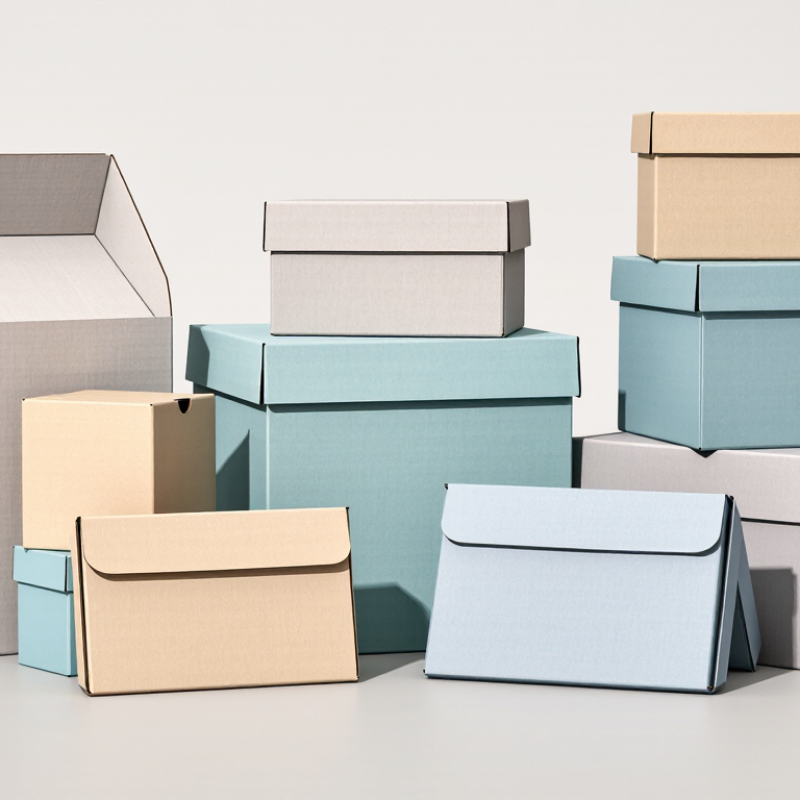
Choosing the best apparel boxes from China depends on garment weight, shipping distance, and presentation goals. Mailers suit lightweight shirts, scarves, and small folded orders. Their peel-and-seal closure speeds packing, while a compact shape can reduce courier volume. Yet thin mailers may crease around metal hardware or thick knitwear. I learned this after testing sample packs, not just reading specifications. A box that looked efficient arrived with crushed corners.
Rigid boxes create a premium unboxing experience for suits, gifts, and carefully folded garments. They resist compression well, but their weight and storage space can increase freight costs. Folding cartons offer a practical middle ground. They print cleanly, assemble quickly, and fit seasonal apparel collections. Corrugated cases work better for bulk shipments and warehouse handling. Choose board strength according to stacking time, moisture exposure, and internal weight. Ask suppliers for compression tests, edge-crush data, material thickness, and pre-production samples. Measurements can still fail when fabric is packed too tightly.
Tips: Test every format with the actual garment, tissue, labels, and accessories. Drop-test sealed samples from normal handling height. Check whether sleeves remain flat after transit. Request recyclable paper options and water-based inks where suitable. Confirm dimensions, carton quantity, and tolerances in writing. A small pilot order often reveals problems that factory photos hide. I would also inspect random cartons before mass production; consistency is rarely perfect.
What Are the Best Apparel Boxes from China?
Representative dimensions of common apparel packaging formats: mailers, rigid boxes, folding cartons, and corrugated cases.
The dimensions shown are representative formats commonly used for apparel packaging and are measured in centimeters. Mailers and folding cartons are typically suited to individual garments, rigid boxes provide a more premium presentation, and corrugated cases are generally used for bulk shipment or multiple garments. Actual specifications vary by garment size, folding method, inserts, and shipping requirements.
Material Benchmarks: GSM, 32 ECT, 44 ECT, FSC, and Recycled Content
For apparel boxes sourced from China, material choice starts with measurable benchmarks, not appearance. GSM describes paper weight per square meter, but it does not prove box strength. A 350 GSM board may feel solid yet crush under humid warehouse conditions. Ask for caliper, moisture resistance, and compression samples. Real fabric orders deserve real testing.
32 ECT can suit lighter garments, folded shirts, and short domestic routes. 44 ECT offers a stronger edge for coats, denim, stacked cartons, or longer transport. ECT measures edge crush resistance, not every failure a box may face. A sharp corner, weak seam, or overfilled carton can still cause damage. It is not magic. Request independent test reports when order volume is significant. I would not choose 44 ECT automatically; extra strength can add cost without fixing poor design.
FSC-certified fiber supports responsible forestry claims when the certificate and chain of custody are verifiable. Recycled content can reduce virgin fiber use, but quality varies with fiber source and percentage. Ask for the exact recycled percentage, certificate scope, and current batch details. During sampling, test print rub, folding cracks, odor, and box recovery after compression. A beautiful sample may hide inconsistent production. That weakness appears after shipment.
China Sourcing Metrics: MOQ, Lead Times, Unit Costs, and Customization
What Are the Best Apparel Boxes from China?
China remains a major packaging source. The WTO’s World Trade Statistical Review 2024 places China at roughly one-third of global textile exports. That scale supports competitive apparel-box pricing, but quotations vary sharply. For 1,000–3,000 folding cartons, practical quotes often range from US$0.20 to US$0.70 per unit. Rigid boxes may reach US$0.80–US$2.50. Paper grade, inserts, printing, and packaging volume drive the difference.
MOQ needs careful attention. Stock-size boxes may start near 500 units, while custom dies commonly require 1,000–3,000 units. Standard sampling takes about 5–10 days. Production usually needs 15–30 days after approval. Ocean transit adds more time.
UNCTAD’s Review of Maritime Transport 2024 reported major Red Sea diversions and longer shipping routes, so a 45–70-day total schedule is safer.
Do not trust a short factory estimate.
Customization can include kraft texture, soft-touch coating, foil details, magnetic closures, and recycled-content board. Each feature adds cost and inspection points. The World Bank’s 2023 Logistics Performance Index gave China a 3.7 out of 5 logistics score, yet inland delivery still depends on location and season.
A useful request includes box dimensions, board thickness, artwork files, carton packing, and Incoterms. I would also order a pre-production sample. Cheap samples can hide weak corners or color shifts.
My own caution is simple: a lower unit price may create higher waste.
Quality Verification: ISTA 3A, ASTM D4169, Drop Tests, and AQL 2.5
When selecting apparel boxes from China, quality verification should begin before mass production. Ask the supplier for a clear packaging specification, including board grade, dimensions, closure style, and recycled content. A reliable supplier should explain how the box protects folded shirts, jackets, or accessories during shipping. Request samples from the actual production line, not only attractive showroom samples.
ISTA 3A testing simulates common parcel delivery hazards, including drops, vibration, and compression. ASTM D4169 evaluates distribution risks through controlled handling sequences. These tests help reveal crushed corners, broken closures, and shifting garments. Add practical drop tests at the packed box’s expected shipping weight. A 760-millimeter drop can expose weak seams quickly. Still, one successful test proves little. Humidity, stacking pressure, and different box sizes may change the result.
Tips: Define AQL 2.5 in the purchase agreement. Confirm the inspection level, sample quantity, defect categories, and acceptance rules. Inspect printing alignment, glue strength, surface scratches, moisture marks, and internal dimensions. Keep photographs and signed inspection records. Ask for test reports with dates, sample details, and laboratory information. Reports without traceable data deserve careful review. AQL 2.5 is a sampling standard, not a promise that every box is perfect. That distinction is easy to miss. During my own evaluations, I have found minor cosmetic defects that passed sampling but affected premium presentation. For apparel packaging, combine laboratory testing with real packing trials and shipment simulation.

 Skip to content