Best Cosmetic Boxes Packaging Trends for 2026?
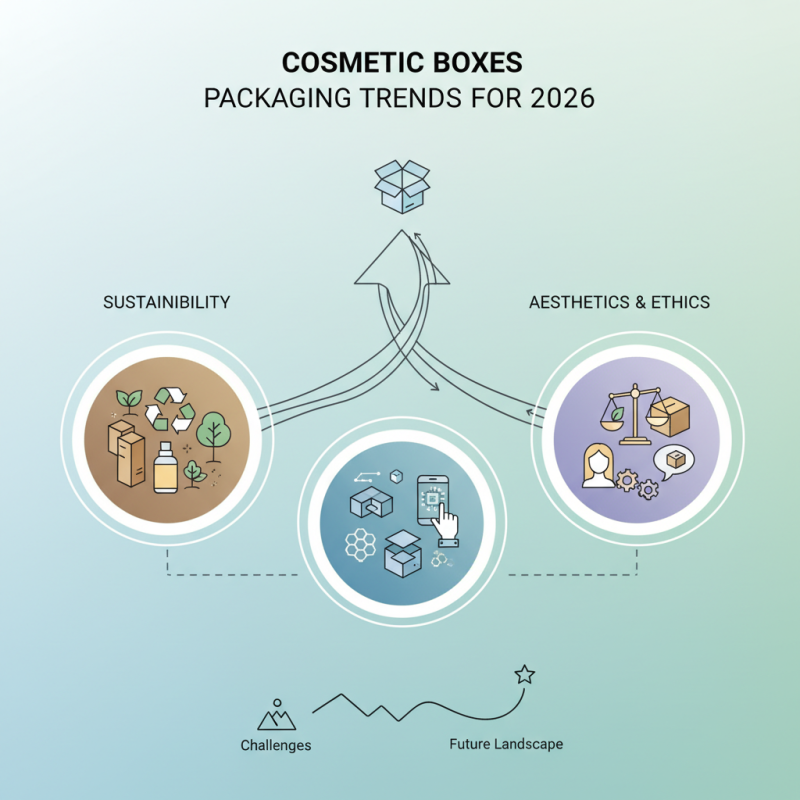
As we look toward 2026, the trends in cosmetic boxes packaging are set to evolve dramatically. Renowned packaging expert, Dr. Emily Carter, emphasizes, "Sustainability will not just be a trend; it will be a requirement." This insight reflects the growing demand for eco-friendly materials and practices in the cosmetic industry.
Innovative designs and functionalities are increasingly becoming a focal point. Brands are seeking solutions that enhance the user experience while minimizing environmental impact. For cosmetic boxes packaging, future trends might embody minimalistic designs, interactive elements, or even smart technologies. However, there remains a challenge. Not all brands have the resources to embrace these advanced options.
The balance between aesthetics and sustainability is complex. While beautiful packaging grabs attention, it should also align with consumer ethics. Companies must reflect on their responsibilities. Ultimately, the pursuit of excellence in cosmetic boxes packaging is not without its hurdles. As the industry moves forward, these challenges may reshape the landscape of packaging for cosmetics in the upcoming years.
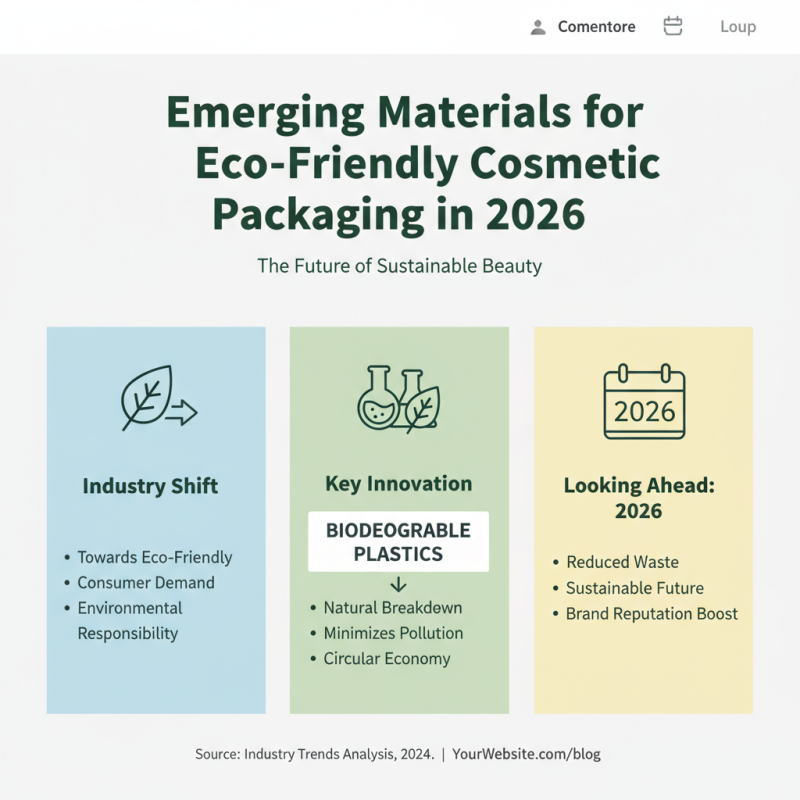
Emerging Materials for Eco-Friendly Cosmetic Packaging in 2026
As we move towards 2026, the cosmetic packaging industry is shifting focus to eco-friendly materials. This shift responds to consumer demand for sustainability and environmental responsibility. Biodegradable plastics are emerging as a popular option, breaking down naturally and minimizing pollution.
Moreover, glass continues to stand out. Its recyclability and durability appeal to eco-conscious consumers. Refillable glass containers are gaining traction. They offer customers a way to reduce waste, making them an attractive alternative. Paper-based packaging is also rising in popularity. It is lightweight, easy to print on, and made from renewable resources.
Innovation in materials must also address challenges. Not all biodegradable options perform well in various conditions. Some may not break down as promised. Companies need to be transparent about their materials. Direct communication about the eco-friendly features is crucial for building trust. As trends evolve, the industry must keep exploring and refining these materials to truly meet consumer needs.
Innovative Designs Shaping the Future of Cosmetic Box Aesthetics
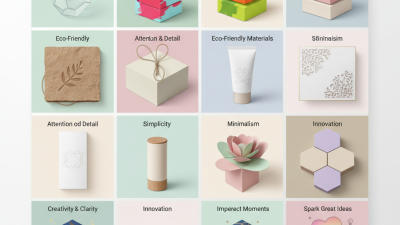
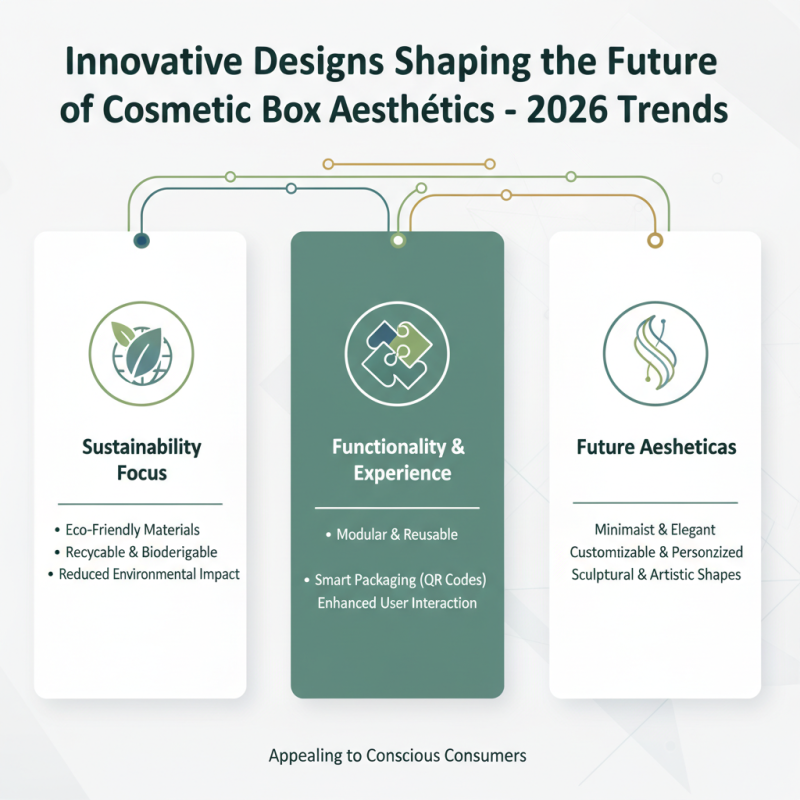
As we glance into 2026, the realm of cosmetic box aesthetics is poised for remarkable transformation. Innovative designs are setting new standards in packaging, emphasizing sustainability and functionality. The beauty industry is increasingly recognizing the importance of eco-friendly materials. Recyclable and biodegradable options are becoming the norm, appealing to consumers who value environmental responsibility.
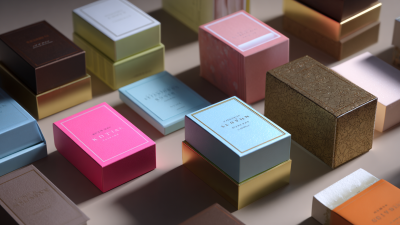
Textured finishes and unexpected shapes are also on the rise. Boxes with unique closures or interactive elements delight the user experience. Bright colors and playful patterns can attract attention, creating a vibrant shelf presence. Yet, amid these trends, some designs risk overshadowing practicality. Packagings that prioritize aesthetics over usability may frustrate consumers.
Brands must balance beauty with function. An attractive package that can’t be easily opened or reused might lose consumer loyalty. Feedback from users is crucial; brands should continually assess how their designs resonate. A focus on innovation should not compromise the user’s experience. This evolution in packaging will define success in the cosmetic industry in the coming years.
Technological Advances in Packaging Automation for 2026
As we look toward 2026, packaging automation is poised for significant advancements. Industry reports indicate that automation in packaging could boost production efficiency by over 30%. This statistic signifies that many companies are investing heavily in automated solutions to meet growing consumer demands. With consumers prioritizing sustainability, smart packaging technologies that incorporate eco-friendly materials are gaining momentum.
Moreover, the integration of artificial intelligence (AI) in packaging processes enhances quality control. AI systems can detect errors in real-time, reducing waste. In fact, studies show that 25% of packaging defects can be eliminated through AI-enhanced inspections. Such technology propels brands toward greater reliability, but it raises questions about dependency on machines. While automating packaging leads to streamlined operations, it can also lead to vulnerabilities, particularly if technology fails or requires updates.
Furthermore, remote monitoring tools are transforming how brands manage their supply chains. Treating data as a valuable resource allows for predictive analytics. However, not all companies have adapted to this shift. A sizable percentage of businesses still rely on traditional methods, which can hinder competitiveness. Balancing technology with human insight remains a critical challenge that requires overall reflection.
Best Cosmetic Boxes Packaging Trends for 2026
| Trend |
Description |
Technological Advances |
Sustainability Impact |
| Smart Packaging |
Integration of QR codes and NFC technology for user interaction. |
Enhanced consumer engagement through mobile apps. |
Promotes recycling and improved traceability. |
| Minimalist Designs |
Focus on simplicity with sleek designs and fewer materials. |
Use of automated cutting machines for precise designs. |
Reduces waste and lowers material costs. |
| Biodegradable Materials |
Utilization of plant-based plastics and compostable materials. |
Advancements in material science for sustainable options. |
Significantly reduces environmental footprint. |
| Personalized Packaging |
Customized packaging experiences based on customer data. |
Use of AI in packaging design and production. |
Enhances consumer satisfaction and brand loyalty. |
| Smart Colors |
Color-changing inks that react to temperature or light. |
Innovations in printing technology for dynamic effects. |
Enhances product visibility and consumer interaction. |
Consumer Preferences: The Shift Towards Sustainable Packaging Solutions
In recent years, consumer preferences for cosmetic packaging have dramatically shifted. A report from the Sustainable Packaging Coalition indicates that 75% of consumers are more likely to purchase products with eco-friendly packaging. Brands are responding to this demand by exploring innovative materials and design strategies that prioritize sustainability.
The rise of biodegradable and recyclable materials is noteworthy. According to a 2023 survey by McKinsey, 62% of consumers consider packaging sustainability as a priority in their purchase decisions. This presents a challenge for brands. It's not just about the outer packaging, but how the products are delivered and eventually disposed of. Many companies need to rethink their supply chains to align with these consumer values.
Moreover, transparency in packaging is becoming essential. Brands are now expected to provide information about the sourcing and lifecycle of their materials. This requirement adds complexity to packaging strategies. As companies navigate this landscape, the balance of aesthetics and sustainability remains a pressing issue. Designers must ensure that eco-friendly options do not compromise the visual appeal that consumers expect.
Best Cosmetic Boxes Packaging Trends for 2026
This chart illustrates the projected consumer preferences for cosmetic packaging materials in 2026, highlighting a significant shift towards sustainable options.
Trends in Personalization and Customization of Cosmetic Packaging Boxes
The future of cosmetic packaging emphasizes personalization and customization. According to the latest market report from Grand View Research, the global cosmetic packaging market is projected to reach $44.4 billion by 2026. This growth reflects a strong consumer demand for unique and meaningful packaging solutions.
Personalized packaging is rapidly becoming a trend. Brands are leveraging technology to offer customized designs that cater to individual preferences. Consumers want a connection with products that resonate with their self-identity. A survey by McKinsey revealed that 71% of shoppers expect personalized interactions. This statistic demonstrates the importance of catering to individual tastes in cosmetic packaging.
Tips: Consider using color and texture to evoke emotions. Soft-touch finishes can enhance the tactile experience, making the product more memorable. Incorporating eco-friendly materials is also essential. Shoppers are increasingly mindful of sustainability. Adapting to these preferences not only attracts consumers but also builds brand loyalty.
Customization does have its challenges. Brands must balance creativity with production costs. The risk of overestimating demand for personalized items can lead to excess inventory. Thorough market research is crucial to avoid these pitfalls. Brands should pilot innovative packaging solutions on a smaller scale before the full launch.
 Skip to content