
 Skip to content
 Choosing the best China custom graduation medals manufacturer requires more than comparing factory prices. It requires evidence, communication, and disciplined production control. A reliable supplier should explain its metal options, mold fees, plating choices, enamel methods, and inspection process clearly.
Lena Zhou, an award-production consultant with fifteen years of manufacturing experience, says, “A meaningful medal begins with accurate details and ends with dependable quality.” Her observation reflects a practical truth. Small errors become obvious on a graduation stage. A misaligned logo, rough edge, weak ribbon attachment, or uneven antique finish can reduce the medal’s value.
Experienced buyers should request a physical sample before approving mass production. They should examine the relief depth, surface smoothness, color separation, clasp strength, and packaging protection. Zinc alloy suits detailed, dimensional designs. Brass works well for a traditional, solid appearance. Soft enamel offers strong color contrast, while hard enamel creates a smoother surface.
Details matter most.
The best China custom graduation medals manufacturer should also provide consistent communication from artwork review to final inspection. Ask whether the factory checks plating thickness, color accuracy, quantity, and damage rates before shipment. Documentation strengthens trust. Independent material testing may also help confirm compliance with applicable safety requirements.
Still, no supplier is perfect. Delivery schedules can shift, and digital renderings may look better than physical samples. That is why realistic specifications, written approvals, and contingency time matter. A dependable manufacturer does not promise everything instantly. It identifies risks early and corrects mistakes openly. For schools, universities, and event organizers, that honesty may be more valuable than a slightly lower quotation.
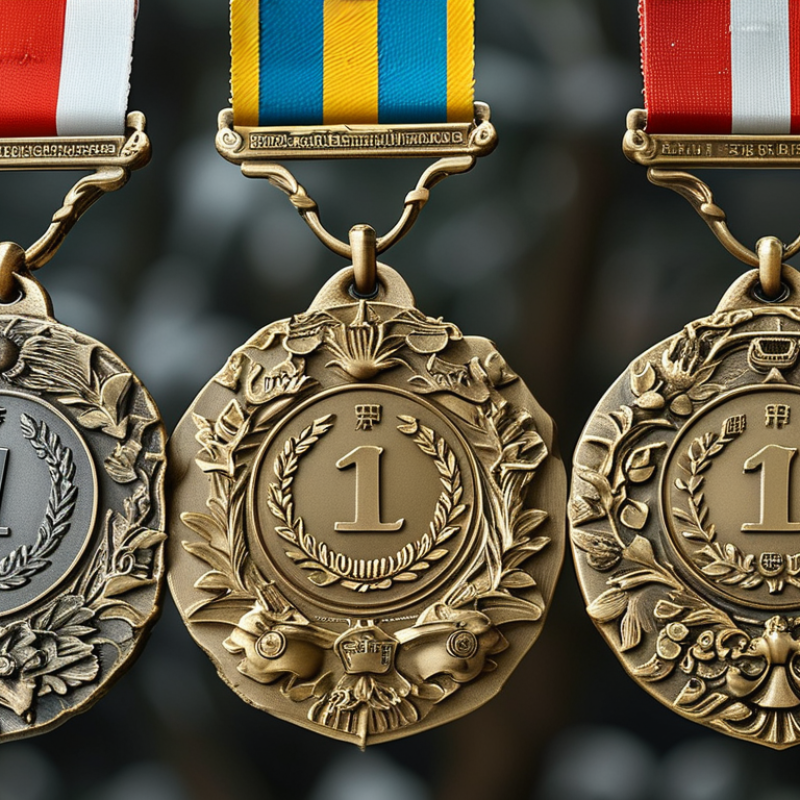
Custom graduation medals are commemorative awards made for students, schools, universities, and training programs. They usually feature a school emblem, graduation year, degree title, or class motto. Unlike ordinary certificates, a medal offers a physical reminder that can be held, displayed, and kept for years.
The U.S. National Center for Education Statistics reported approximately 4.1 million degrees and certificates were awarded during the 2021–22 academic year. This scale creates a strong need for consistent, carefully planned recognition products. In practical production, designers first check the emblem’s smallest details. Thin lettering may disappear after die striking or enamel filling. A useful medal normally includes a balanced relief, readable text, secure ribbon hardware, and a durable finish. Gold, silver, antique, and colored surfaces each create different visual effects.
Graduation medals also support ceremony design. A medal placed around a graduate’s neck makes achievement visible in photographs and group presentations. The National Retail Federation reported that U.S. consumers planned about 5.8 billion dollars in graduation-related spending in 2024, showing the wider commercial importance of graduation recognition. Still, a medal is not automatically meaningful. Poor proportions, weak plating, or an unclear emblem can reduce its value quickly. Manufacturers should provide digital proofs, material samples, and quality checks before bulk production. Small errors remain surprisingly common. That is why customization requires both technical skill and honest review.
| Data Dimension | Typical Information | Why It Matters for Graduation Medals | Selection Guidance |
|---|---|---|---|
| Definition | A graduation medal is a commemorative award designed to recognize academic achievement, completion of a program, or participation in a graduation ceremony. | It provides students with a lasting physical reminder of an important educational milestone. | Select a design that reflects the institution, academic level, and purpose of the ceremony. |
| Common Uses | Graduation ceremonies, academic honors, school anniversaries, student competitions, scholarship recognition, and alumni events. | Different occasions require different wording, symbols, and levels of formality. | Confirm whether the medal is for every graduate, selected award recipients, or event participants. |
| Typical Materials | Common options include zinc alloy, brass, copper, iron, stainless steel, aluminum, and non-metal alternatives such as acrylic or wood. | Material affects weight, surface detail, durability, appearance, and production cost. | Use zinc alloy or brass for detailed metal designs; consider lighter materials for children or large-scale events. |
| Standard Diameter | Many commemorative medals are produced in diameters of approximately 40–80 mm, depending on the design and intended use. | Diameter influences visibility, perceived value, shipping weight, and wearing comfort. | A medium size is generally practical for presentation, display, and wearing with a ribbon. |
| Shape Options | Round, shield, star, book, laurel, crest, scroll, and custom silhouette shapes are frequently used. | The outline can reinforce the academic theme or correspond to a school emblem and ceremony concept. | Choose a shape with enough surface area for readable text and recognizable symbols. |
| Front-Side Content | Common elements include a graduation cap, diploma, laurel wreath, torch, year, academic symbols, and ceremony title. | The front communicates the main visual message and should remain clear at a distance. | Limit small details and prioritize one main symbol with a concise message. |
| Back-Side Content | The reverse may include the institution name, class year, student name, degree level, event date, motto, or an appreciation message. | The back offers space for personalization and makes the award more meaningful as a keepsake. | Proofread all names, dates, degree titles, and translations before production. |
| Customization Methods | Relief embossing, recessed areas, laser engraving, stamped text, printed graphics, enamel color filling, and cut-out details. | The method determines the visual depth, color effect, personalization capability, and suitability for fine artwork. | Use raised or recessed metal details for durability and engraving when individual names or dates are required. |
| Plating and Finishes | Gold-tone, silver-tone, bronze-tone, antique, matte, polished, two-tone, and black-nickel-style finishes are commonly available. | Finish changes the medal’s color, contrast, reflectivity, and perceived formality. | Select a finish that provides strong contrast between the background and raised lettering. |
| Ribbon and Presentation | Medals may be supplied with neck ribbons, detachable ribbons, presentation boxes, velvet pouches, or individual packaging. | Presentation affects ceremony convenience, protection during transport, and the overall award experience. | Match ribbon colors and packaging to the event theme while keeping the medal secure. |
| Production Process | A typical process includes artwork review, tooling or mold preparation, metal forming, trimming, polishing, plating, color application, inspection, and packing. | Each stage can influence detail accuracy, surface quality, color consistency, and delivery timing. | Request a digital proof or physical sample before approving mass production. |
| Quality Checks | Inspect dimensions, weight consistency, edge smoothness, plating coverage, lettering accuracy, color filling, ribbon attachment, and packaging condition. | Consistent inspection reduces defects and helps ensure that all graduates receive comparable awards. | Define acceptance criteria before production and retain an approved reference sample. |
| Order Planning Factors | Quantity, artwork complexity, individual personalization, material, finish, packaging, shipping method, and required delivery date. | These factors affect tooling requirements, unit pricing, production scheduling, and logistics. | Prepare final artwork, quantity, specifications, and delivery information before requesting quotations. |
| Manufacturer Evaluation Criteria | Relevant custom-medal experience, clear artwork approval procedures, material transparency, quality-control documentation, sample capability, packaging options, and reliable communication. | A structured manufacturing process helps reduce design errors and unexpected quality differences. | Compare technical capability and documented quality practices rather than relying only on the lowest quotation. |
Note: Specifications, available finishes, minimum order quantities, pricing, and delivery schedules vary according to the design, material, quantity, personalization requirements, and destination.