Best Display Boxes for 2026 Which One Fits Your Needs?
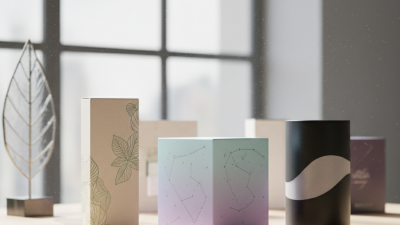
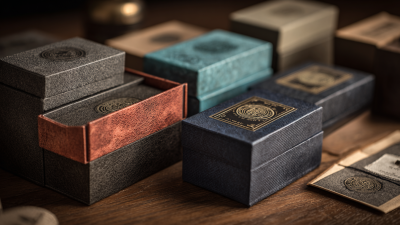
Choosing the right display boxes is crucial for any business in 2026. Display boxes come in various styles, sizes, and materials. They serve not just for storage, but also for showcasing products effectively.
In a crowded market, how do you select the best display boxes? Factors like durability, aesthetics, and usability matter. It’s easy to overlook quality for cost, but this can lead to dissatisfaction. Consider the needs of your target audience; do they prefer eco-friendly materials or vibrant designs?
Reflect on your brand image. A mismatched display box can impact customer perception. Engage with feedback; sometimes what looks good on paper fails in real life. The goal is to create a balanced approach, ensuring your display boxes reflect your brand while serving practical purposes.
Best Display Box Types for 2026: An Overview
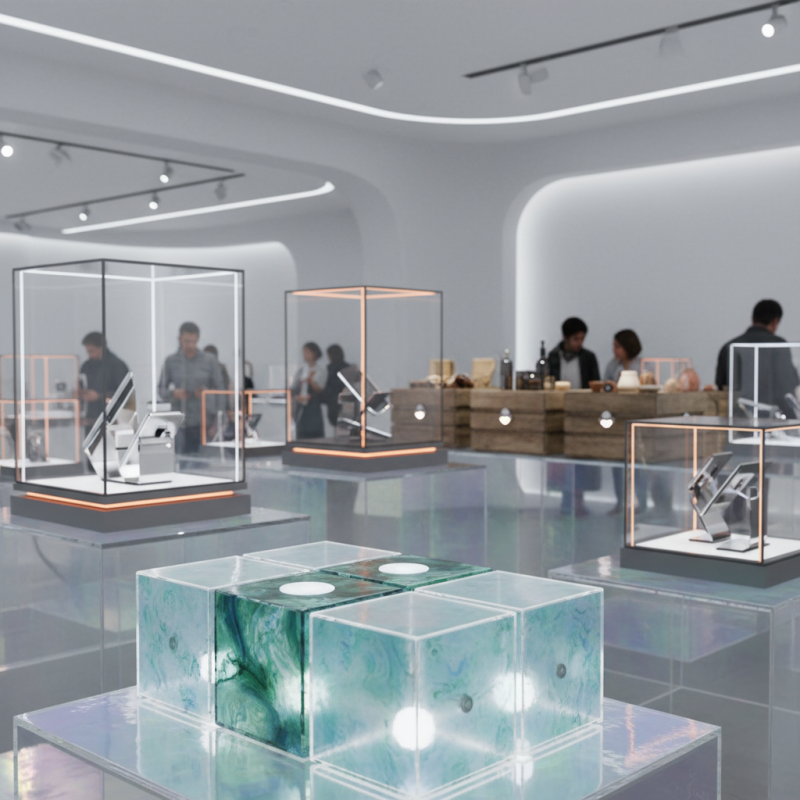
When choosing a display box, it’s important to understand the types available. There are clear acrylic boxes, wooden options, and even fabric-covered varieties. Clear acrylic boxes are great for showcasing items. They provide a 360-degree view without distractions. Wooden boxes, on the other hand, offer warmth and a vintage feel. Fabric-covered boxes can add a touch of softness to a display.
Tips for selecting the right material: Consider the item you want to display. Is it fragile? Then, an acrylic box might be best. If it’s a collectible, wood adds character.
Another key aspect to think about is size. Measure your items carefully to avoid disappointments. A box that’s too small or too large can detract from the display’s appeal. Look for adaptability, too. Some boxes come with adjustable inserts. This allows you to fit various item sizes.
Combining different types can create interest. A wooden box beneath a glass top adds depth. However, remember that not all combinations work well. Experimenting is a must. Don't hesitate to step out of your comfort zone. Sometimes, a bold choice leads to the best outcome.
Best Display Boxes for 2026 Which One Fits Your Needs?
| Display Box Type |
Material |
Dimensions (inches) |
Features |
Best For |
| Acrylic Display Box |
Acrylic |
12 x 12 x 12 |
Clear visibility, UV resistant |
Collectibles |
| Cardboard Display Box |
Cardboard |
10 x 7 x 5 |
Lightweight, customizable |
Retail goods |
| Wooden Display Box |
Wood |
15 x 10 x 8 |
Durable, elegant finish |
Home decor |
| Plastic Display Box |
Polypropylene |
8 x 6 x 3 |
Water-resistant, stackable |
Travel accessories |
| Glass Display Box |
Glass |
14 x 14 x 6 |
High clarity, premium look |
Luxury items |
Key Features to Consider When Choosing Display Boxes
When selecting display boxes, key features can make a significant difference. Consider the size and shape of the items you plan to showcase. Customization can enhance visibility and attract customers. According to a recent market analysis, over 70% of retailers reported increased sales from custom-designed display boxes.
Material choice is crucial too. Cardboard is lightweight and cost-effective, while acrylic offers durability. Research indicates that 85% of consumers are influenced by packaging. Therefore, the visual appeal of your box can impact purchasing decisions. Reflect on the environmental impact as well. Sustainable materials are becoming a priority; 60% of consumers prefer eco-friendly packaging.
Tips: Always test different designs in-store. Observe customer interactions with the boxes. A small change in presentation could elevate interest. Regularly review your packaging strategy. Trends evolve, and staying updated can keep your display boxes relevant and effective.
Popular Materials Used in Display Box Manufacturing
When choosing a display box, material plays a crucial role. Various options provide different benefits.
Acrylic is popular for its clarity and durability. It offers a contemporary look, making items inside visible from all angles.
However, acrylic can scratch easily, which might compromise its appearance.
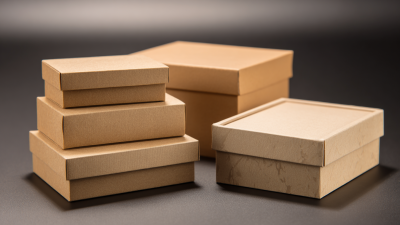
Cardboard is another widely used material. It is lightweight and cost-effective.
Custom options allow businesses to reflect their branding. Although cardboard is biodegradable, it lacks the sturdiness of other materials.
It may not withstand moisture well and can deteriorate quickly.
Wooden display boxes exude elegance and durability. They can withstand significant wear while providing a rustic charm.
However, they may not be suitable for all aesthetics. The weight of wood can also be an issue for some displays.
Each material presents unique pros and cons that require careful consideration before making a choice.
Comparative Analysis of Display Box Brands for 2026
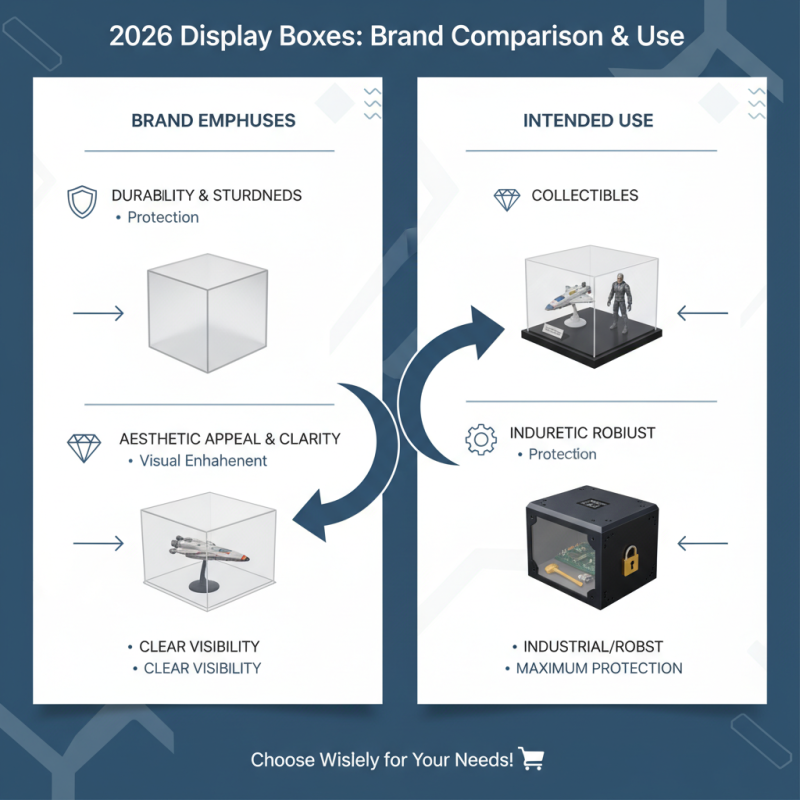
When considering display boxes for 2026, understanding the differences between various brands is essential. Brands typically emphasize durability and aesthetic appeal. Some focus on clear visibility, while others prioritize sturdiness. It's wise to think about the intended use of the display box. For items like collectibles, clear boxes may be more desirable. They enhance the visual experience.
However, not all display boxes meet expectations. Some may not provide adequate protection and can lead to damage over time. It's crucial to check the material quality. A box that looks good but falls apart isn’t worth the investment. You might need to explore options that offer a balance between aesthetics and functionality.
Consider the size and design of the box. Some brands may offer innovative designs, but practicality can be overlooked. A beautiful box that doesn’t fit your items is frustrating. Take time to reflect on your specific requirements and choose wisely. Your display box should tell your story, not just be another piece of decor.
How to Customize Display Boxes to Fit Your Needs
Customizing display boxes can greatly enhance your product presentation. Start by considering your target audience and their preferences. Think about colors that resonate with them. Bright colors can attract attention, while muted tones may convey elegance. Next, the shape of your box matters. A unique shape can stand out on the shelf. However, ensure it fits within your budget.
Material choice is another area to explore. Cardboard is affordable and versatile. Rigid boxes offer sturdiness but can be costly. It's essential to balance quality and cost. You might face challenges in sourcing materials. Local options may be limited, leading to delays.
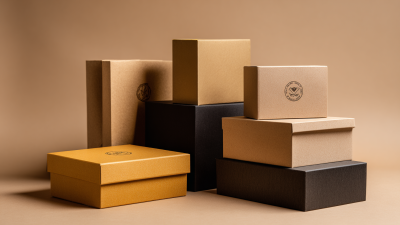
Adding custom graphics can elevate your display boxes. Simple logos can create brand recognition. But avoid overcomplicating designs. Cluttered boxes can confuse potential buyers. Instead, opt for clear messaging that tells your brand story. Remember, each choice shapes your product's appeal. Reflect on what works and what doesn’t. Experimentation is key, and sometimes less is more.
 Skip to content