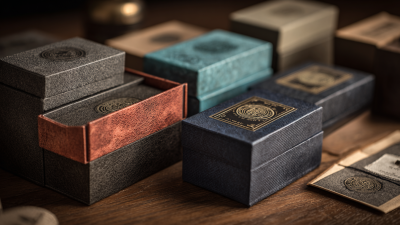
Best Personalised Packaging Trends for 2026 How to Choose?
In the ever-evolving world of personalised packaging, the key to standing out is innovation. As brands strive to create unique customer experiences, expert Sarah Thompson emphasizes, "Customers appreciate the details that make their packages feel special." This sentiment echoes the importance of personalisation in today's competitive market.
With 2026 on the horizon, trends in personalised packaging are set to shift. Brands are expected to explore unique designs, sustainable materials, and interactive features. Personalised packaging goes beyond just aesthetics; it connects emotionally with consumers. By incorporating elements that reflect individual preferences, companies can enhance engagement and foster loyalty.
However, the path to effective personalised packaging is not without challenges. Brands must navigate consumer data privacy while ensuring their designs are both functional and appealing. The balance between creativity and practicality is crucial. As we approach 2026, the journey into personalised packaging is as much about artistry as it is about strategy.
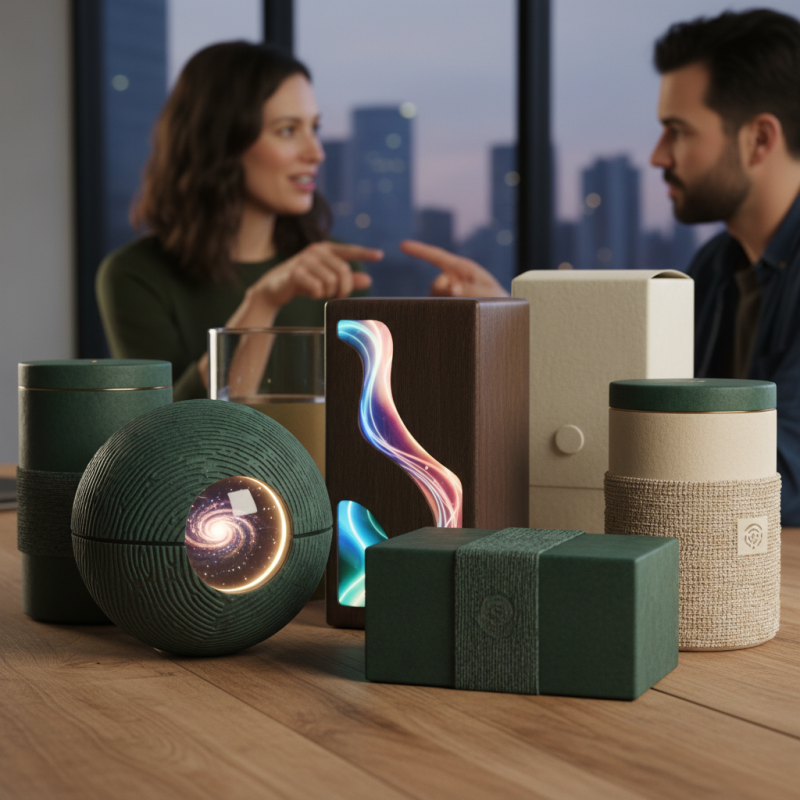
Emerging Personalised Packaging Trends to Watch in 2026
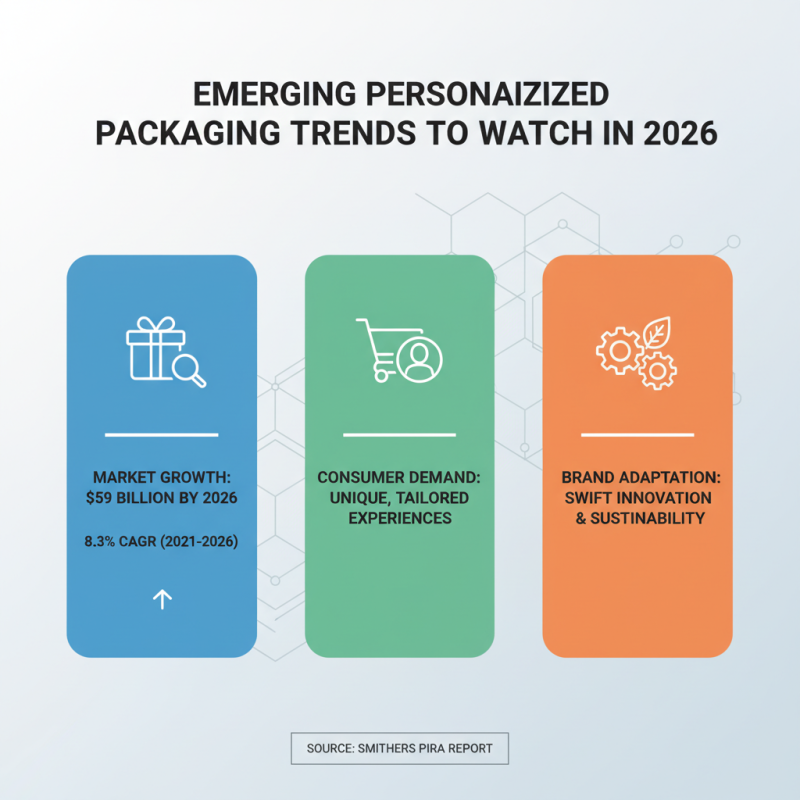
As we approach 2026, personalized packaging becomes increasingly significant in the consumer goods sector. According to a recent report by Smithers Pira, the global personalized packaging market is projected to reach $59 billion by 2026, reflecting a compounded annual growth rate of 8.3%. This trend emphasizes consumers' demand for unique, tailored experiences, and brands must adapt swiftly.
Emerging trends include eco-friendly materials and digital customization. Reports indicate that 75% of consumers prefer environmentally sustainable packaging. Brands should explore bioplastics and recycled materials to meet this demand. Additionally, interactive packaging is gaining traction. QR codes, augmented reality, and other technologies invite consumers to engage with the product more deeply. Such innovations aim to enhance the unboxing experience and promote brand loyalty.
While these trends are promising, challenges remain. Not every brand can afford high-quality printing or sustainable materials. Small businesses may struggle to keep pace. Moreover, the balance between personalization and privacy is delicate. Consumers are wary of data usage, which could hinder customization efforts. Thus, brands must tread carefully, ensuring that personalization does not compromise consumer trust.
Key Factors Influencing Consumer Preferences for Personalised Packaging
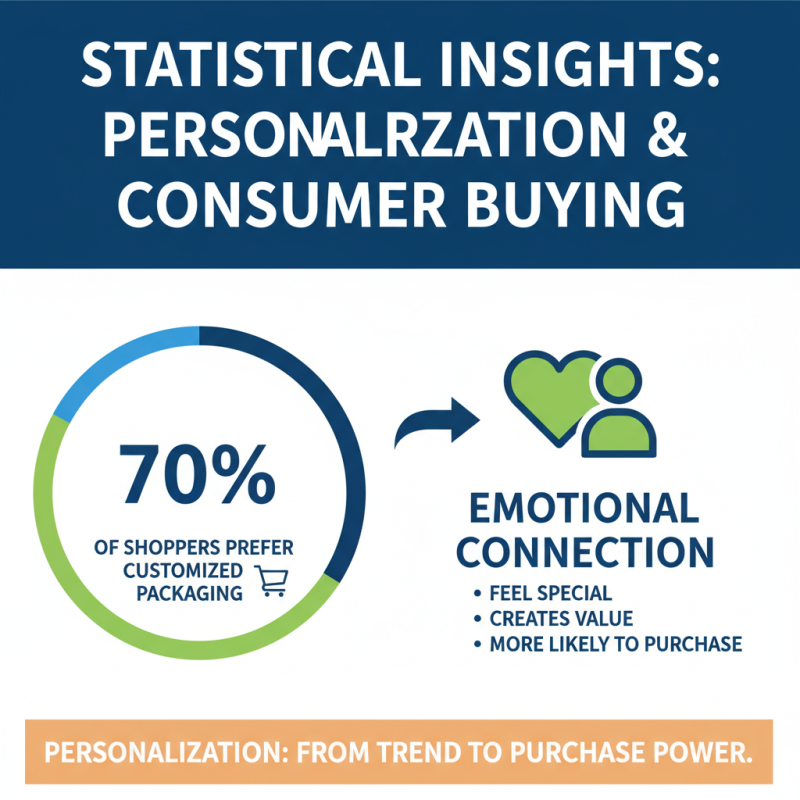
Personalised packaging is shaping the consumer experience in impactful ways. Customers desire a connection to products, and personalised packaging meets this need. Colors, materials, and designs play a vital role in capturing attention. Interestingly, the emotional aspect can drive buyer decisions. When consumers feel personally addressed, their loyalty increases.
Sustainability is another key factor influencing preferences. Eco-friendly materials resonate with today’s socially conscious shoppers. Many seek brands aligning with their values. This means businesses need to reflect those values in their packaging choices. It's not just about looks; it's about message. A growing number of consumers prefer products that minimize environmental impact. Yet, there may be limitations in sourcing sustainable materials.
In addition, the digital age allows for greater customisation. Technology enables extensive personalization processes. However, not all ideas are practical. Brands must balance creativity with feasibility. This opens a dialogue among stakeholders about what works and what doesn’t. Engaging with consumers for feedback can refine these ideas. Ultimately, understanding these trends will guide brands toward effective personalised packaging solutions.
Sustainable Materials: The Future of Eco-Friendly Personalised Packaging
Sustainable materials are transforming personalized packaging. As businesses aim to reduce their carbon footprints, options like biodegradable plastics and recycled paper are gaining popularity. These materials not only minimize environmental impact but also appeal to eco-conscious consumers. In 2026, brands must understand the significance of choosing sustainable options.
Consumers are not just looking for unique designs; they care about the values behind the products. Using sustainable materials can enhance brand loyalty. However, finding the right balance between aesthetics and eco-friendliness can be challenging. Packaging must be visually appealing while still being functional and environmentally responsible. Companies may struggle to source high-quality, sustainable materials that also meet performance standards.
Looking ahead, brands should explore innovative sustainable solutions. Collaborations with local suppliers can ensure more reliable sourcing. Experimenting with different eco-materials may lead to surprising discoveries. There might be setbacks in terms of cost or availability. Brands need to continue testing and refining their approaches as they adapt to evolving consumer expectations.
Technological Innovations Enhancing Personalised Packaging Experiences
The landscape of personalised packaging is evolving rapidly due to technological innovations. Advances in printing technology allow for intricate designs tailored to individual preferences. Digital printing enables brands to create small batches with unique graphics. This approach enhances customer connection, making them feel special. Personalisation is no longer just about a name on a label; it's about creating a narrative.
Furthermore, augmented reality (AR) is transforming the unboxing experience. Customers can scan packaging to reveal extra content. This might include product origin stories or interactive experiences. These technologies provide an engaging experience while fostering brand loyalty. However, this shift requires careful execution. Brands must ensure that the experience aligns with their values and customer expectations.
Packaging materials are also evolving. Sustainable options are now available that can be personalised without harming the environment. This choice reflects consumers' growing desire for eco-friendly solutions. Brands need to balance innovation with responsibility. Striking a harmony between uniqueness and sustainability is crucial. It’s a complex journey that demands continuous reflection and adjustment.
 Skip to content