Best Plant Tie Tape for Effective Gardening Solutions?
In the world of gardening, effective support for plants is crucial. Plant Tie Tape plays an essential role in this process. According to horticultural expert Dr. Sarah Green, "The right tying method can greatly enhance plant growth and stability." Her words resonate as gardeners seek reliable tools for their green spaces.
Choosing the best Plant Tie Tape can be challenging. There are many options available, and each has its own pros and cons. A good tape should be strong yet gentle on plant stems. It must hold securely, allowing plants to grow naturally without restraint. Many gardeners struggle with finding a tape that balances these qualities. Some might end up using materials that damage their plants instead of supporting them.
Understanding the importance of Plant Tie Tape requires reflection on personal experiences. Many have faced the frustration of using inferior products, resulting in broken plants. Learning from these missteps can lead to better gardening practices. As you explore your options, remember the significance of quality and appropriate use in achieving effective gardening solutions.
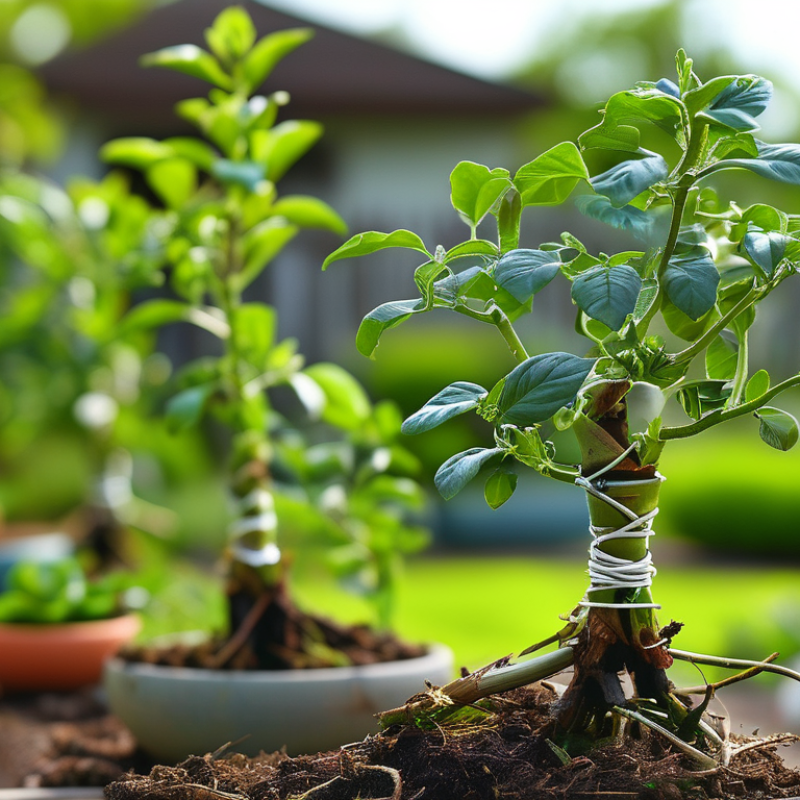
Best Plant Tie Tape: Understanding the Basics of Gardening Solutions
In gardening, plant tie tape is essential. It helps support growing plants by keeping them upright. A good tie tape is durable, flexible, and gentle on plant stems. This ensures plants can grow without damage. There are various types, such as cotton-based and plastic options, each serving a distinct purpose.
Understanding the basics is important. The right tape provides needed structure during growth. When using tie tape, avoid tying too tightly. This can harm the plant. Instead, allow some space for movement. Regularly check for signs of wear and adjust as needed. It’s easy to overlook these details, yet they greatly affect plant health.
Gardening is not just about following rules. It involves learning from experience. If a plant does not thrive, assess the support methods used. Experimenting can lead to better solutions over time. Embrace these challenges; they enhance your gardening skills. Each plant's unique needs can shape your approach.
Best Plant Tie Tape for Effective Gardening Solutions
Types of Plant Tie Tape: Materials and Their Advantages
In the world of gardening, selecting the right plant tie tape is crucial for supporting plant growth. Various types of materials are available, each offering unique advantages. Cotton tape is a popular choice due to its softness and biodegradability, making it gentle on plants. It allows for expansion as plants grow, reducing the risk of damage to delicate stems. On the other hand, plastic tape is known for its durability and resistance to weather conditions. It can withstand sunlight and rain, providing long-lasting support.
Focusing on the right material enhances gardening efficiency. Some gardeners prefer jute tape for its natural fibers. This type is eco-friendly and provides adequate support while decomposing over time. Choosing the right tape improves plant health and reduces maintenance efforts. Yet, some may find themselves grappling with excessive tangling. This can lead to frustration while trying to secure plants effectively.
When selecting plant tie tape, consider your garden environment. If you live in a wetter climate, choose a material that does not degrade quickly. Think about adjusting your methods if you notice inadequate support. Experimenting with different types can yield surprising results. Check for signs of damage or stress in your plants to ensure you're using the best option. Observing the growth patterns can help refine your choices.
How to Choose the Right Plant Tie Tape for Your Garden Needs
Choosing the right plant tie tape is crucial for successful gardening. Different plants have varying needs, so one tape doesn't suit all. Look for durability and flexibility. Good tape should withstand the outdoor elements while being gentle on delicate stems. Opt for materials that won’t cut into plants as they grow. A robust tape can prevent plant breakage during strong winds or heavy rains.
Consider the thickness of the tape. Too thick might be cumbersome, while too thin may lack support. The width should also match your plant size. For small seedlings, a narrow tape works best. Larger plants may require wider options. Pay attention to the color, too. Some colors can absorb heat, impacting sensitive plants.
While it’s tempting to go for low-cost options, investing in quality tape pays off. A flimsy tape might fail at crucial moments, causing damage. Reflect on the conditions in your garden. Natural elements can be unpredictable. Selecting the right tape involves trial and error. Sometimes, you might find yourself revisiting your choices, learning from past mistakes. Be patient and observant, as gardening is as much about adaptability as it is about planning.
Application Techniques: Effective Ways to Use Plant Tie Tape
When using plant tie tape, the right application technique is crucial for success. Begin by selecting healthy stems and branches that need support. Gently wrap the tape around the plant parts without applying too much pressure. Too tight a binding can damage the plant. It's vital to check the tape periodically to ensure it isn’t constricting growth.
Consider the environment when applying tie tape. In windy areas, positioning the tape securely can prevent breaking. For climbing plants, use the tape to guide them along a trellis or fence. This method helps plants grow in the desired direction while providing essential support. Additionally, remember that plants may adjust over time, so adapting the tape's position is necessary.
Learning from experience is valuable. If a plant shows signs of distress, reassess your application technique. Sometimes, using too much tape can hinder growth rather than promote it. By monitoring your plants and making adjustments, you can achieve a thriving garden with effective plant tie solutions.
Maintaining Your Garden: Best Practices for Using Plant Tie Tape
Using plant tie tape effectively can transform your gardening experience. Proper application ensures that your plants grow strong and healthy. Start by securing young plants to stakes or trellises. This support prevents bending or breaking as they mature. Choose a tape that is gentle on stems but also durable enough to withstand weather changes.
Regularly monitor the growth of your plants. Adjust the tie tape as needed to avoid constriction. Loose ties allow for natural growth while providing support. It’s essential to be aware that over-tightening can harm young branches. Experiment with different tying techniques to find what works best for you and your plants.
Utilizing plant tie tape invites both creativity and strategy into your gardening. Each garden can present unique challenges. Be prepared to adapt your methods over time. Sometimes, despite careful planning, plants may not respond as expected. Reflecting on these experiences allows for improvement in future gardening endeavors.

 Skip to content