How to Choose the Best Boxes and Packaging for Your Products?
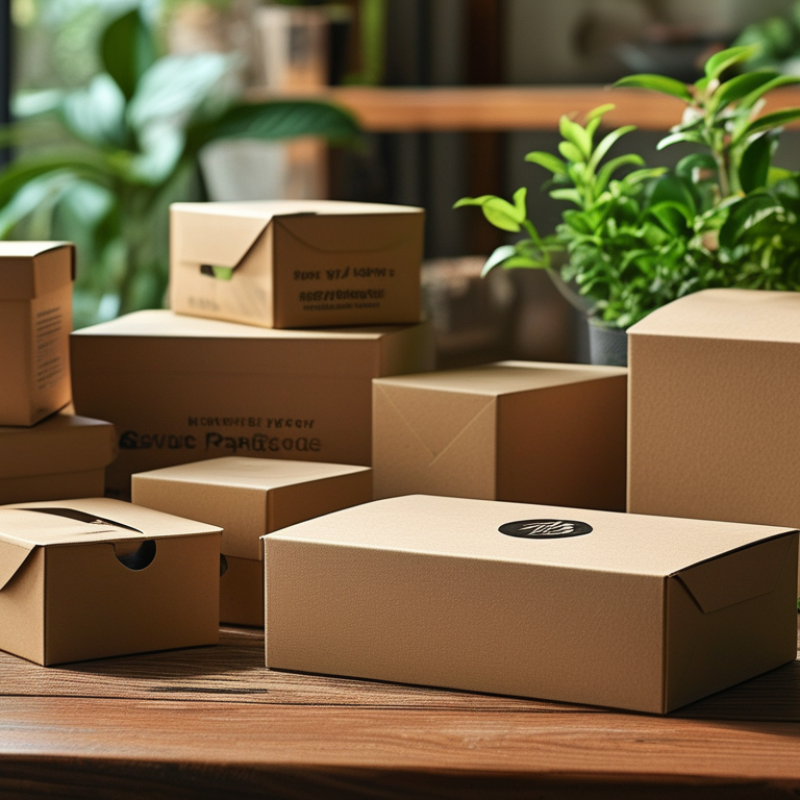
Choosing the right boxes and packaging for your products is crucial for success. As Sarah Johnson, a leading expert in the boxes and packaging industry, once said, "The right packaging can elevate a product from ordinary to extraordinary." This importance is often overlooked by many businesses.
Several factors influence how to select the best boxes and packaging. The material, size, and design all play significant roles. Customers often judge a product by its packaging. For instance, eco-friendly options are now in demand. Nevertheless, businesses sometimes struggle with balancing cost and quality.
It is not just about aesthetics; durability is essential. A poorly chosen package can lead to damage in transit. Reflect on your current packaging choices. Are they truly meeting the needs of your product and customers? Thoughtful selection can boost sales and enhance brand perception. The right approach can make a difference.
Understanding the Importance of Packaging for Your Products
Packaging is an essential element in product delivery and brand perception. According to a study by the Paper and Packaging Board, 72% of consumers believe packaging design influences their purchase decisions. This statistic underscores the importance of thoughtful and engaging packaging. Good packaging not only protects the product but also serves as a marketing tool. Attractive designs can enhance the customer's unboxing experience, making them more likely to share their experience online.
Moreover, sustainability plays a pivotal role in modern packaging strategies. A report from Nielsen states that 66% of global consumers prefer brands that use sustainable packaging. Environmentally friendly materials can influence buying choices and foster brand loyalty. However, businesses must balance sustainability with functionality. Sometimes, eco-friendly materials may not provide the same level of protection, leading to potential product damage.
Choosing the right packaging is a complex decision that reflects more than just aesthetics. It requires a deep understanding of functionality, consumer preferences, and environmental impact. Brands that invest time in this process can enhance their reputation and meet market demands more effectively, although it's a challenging path that requires continuous refinement and innovation.
Identifying the Types of Boxes Available for Different Products
Choosing the right packaging is crucial for showcasing your products. Different products require different types of boxes to ensure safety and appeal. For example, food items often need biodegradable packaging to meet health standards and environmental expectations. According to Statista, sustainable packaging is projected to grow by 20% annually, highlighting this shift.
Consider fragile items, which may need cushioned boxes. Using foam inserts or air bubbles can prevent damage during shipping. A survey from the Packaging Industry Association found that 30% of businesses reported product damage due to inadequate packaging. This statistic emphasizes the importance of careful box selection.
The size of the box is equally important. It should not be too large, as excess space can lead to movement within the box. On the other hand, a box that is too small can crush the product. Packaging that is just right contributes to a better unboxing experience. Businesses need to strike a balance between protection and presentation. It's an ongoing challenge that requires trial and error.
Evaluating the Materials Used in Packaging Choices
When evaluating materials for packaging, it’s crucial to consider sustainability and functionality. A recent report by Smithers Pira indicated that by 2024, the global flexible packaging market is expected to reach $300 billion. This highlights the importance of making informed choices in packaging materials. Options like recycled cardboard and biodegradable plastics offer durability while minimizing environmental impact.
Choosing the right materials can affect both product safety and consumer perception. Studies show that 72% of consumers prefer eco-friendly packaging. They are willing to pay extra for products packaged responsibly. Despite these statistics, many businesses still overlook the implications of their packaging choices. It's essential to be aware of the supply chain implications of packaging materials. Not all biodegradable options break down as easily as advertised, which can mislead consumers.
Evaluating the costs is also critical. While more sustainable materials may initially be more expensive, they can lead to long-term savings. Reducing waste and increasing customer loyalty are significant benefits. Companies must assess their packaging strategy regularly. This evaluation should reflect changing consumer preferences and regulatory changes. Meeting these demands requires a commitment to continuous improvement in packaging solutions.
How to Choose the Best Boxes and Packaging for Your Products? - Evaluating the Materials Used in Packaging Choices
| Packaging Material |
Benefits |
Drawbacks |
Best Uses |
| Cardboard |
Lightweight, recyclable, good insulator |
Not water-resistant, less durable |
Shipping, retail packaging |
| Plastic |
Waterproof, durable, lightweight |
Non-biodegradable, can be costly |
Food packaging, consumer goods |
| Glass |
Reusable, preserves flavor, recyclable |
Heavy, breakable, higher cost |
Beverages, cosmetics |
| Metal |
Durable, recyclable, good for preservation |
Heavy, can be expensive |
Canned goods, aerosol products |
| Biodegradable Materials |
Environmentally friendly, compostable |
Can be less sturdy, shorter shelf life |
Eco-conscious products, food packaging |
Designing Packaging for Brand Identity and Consumer Appeal
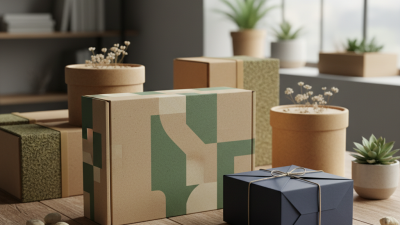
Packaging is more than just a protective layer for your products. It represents your brand identity and enhances consumer appeal. Thoughtful design can differentiate your product on crowded shelves. Colors, materials, and typography play key roles in creating an emotional connection with customers. Aim for a design that tells a story. Crafting an appealing presence is essential.
Choosing the right packaging materials can convey quality and sustainability. Eco-friendly options are gaining traction. However, some materials may not be suitable for every product. Balance aesthetics with practicality. Customers appreciate a beautiful package, but function cannot be compromised. Rethink your choices regularly to keep up with trends.
Consider usability to enhance customer experience. Easy-to-open designs encourage repeat purchases. Frustration can lead to negative associations with your brand. Strive for an appealing visual that also serves a purpose. Reflections on past choices can lead to better decisions in the future. Design is a journey, not a destination.
Considering Sustainability in Packaging Selection and Use
Sustainability is a crucial factor in packaging selection. When choosing boxes, consider materials that are eco-friendly. Recycled cardboard is a popular choice. It reduces waste and conserves resources. Biodegradable options are also available. These materials break down naturally and help minimize landfill waste.
It’s important to evaluate the entire packaging lifecycle. Think about sourcing, production, and disposal. Many companies overlook the end-of-life stage. This can lead to environmental impact that might not be immediately visible. For instance, plastic packaging can take hundreds of years to decompose, polluting ecosystems.
Incorporating sustainable practices involves challenges. Finding suppliers committed to eco-friendly materials may require extra effort. There are trade-offs between cost and sustainability. Also, some sustainable options may not offer the same durability as traditional packaging. Balancing these factors demands careful thought and planning. Striving for sustainability in packaging is an evolving process, not a one-time decision.

 Skip to content