How to Choose the Best Food Boxes for Your Meal Prep Needs?
Meal prepping has become a popular trend among health-conscious individuals. The convenience of food boxes is a primary factor in this trend. According to a report by Statista, about 67% of people utilize meal prep solutions. Food boxes simplify the planning and cooking process, making it easier for everyone.
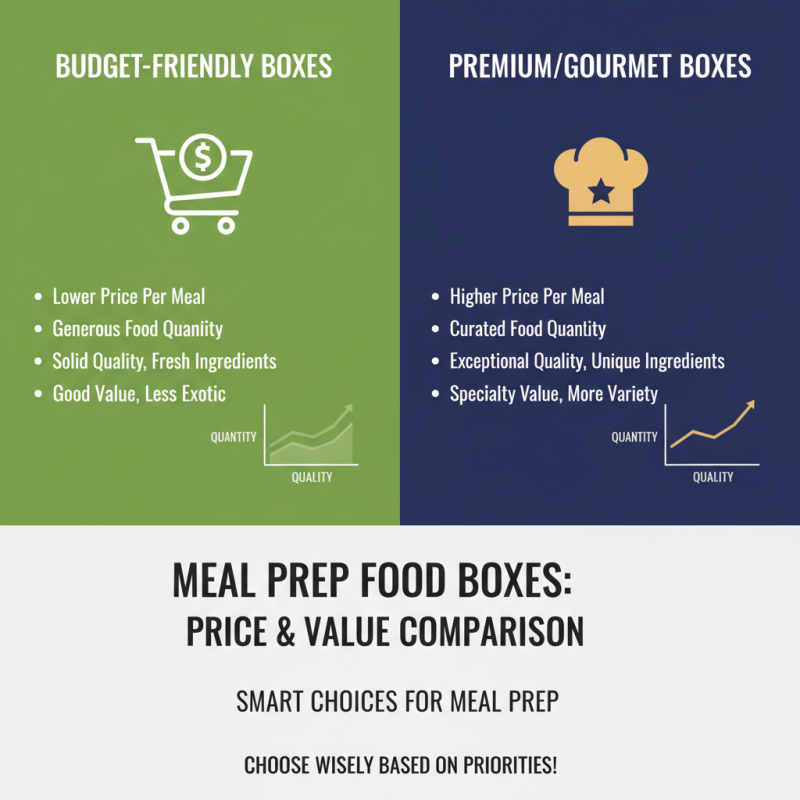
Choosing the right food boxes can be challenging. Not all options cater to every dietary need or preference. A survey by the Meal Kit Association showed that 40% of customers are unhappy with their meal box choices. Factors such as portion size, ingredients quality, and pricing play significant roles. It's vital to think critically about what best fits your lifestyle.
Consider how these food boxes fit into your schedule. Many promise convenience but may not deliver the required variety. Data reveals that lack of variety is a common complaint that leads to meal prep burnout. Reflecting on these details will help you find options that make your meal prep enjoyable and sustainable.
Understanding Your Meal Prep Requirements for Food Boxes
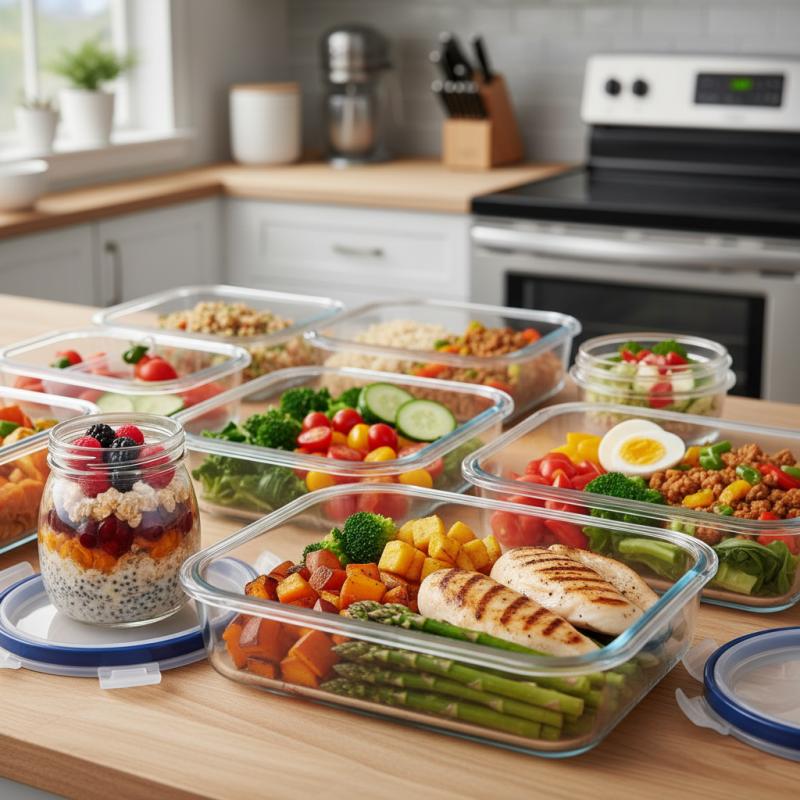
Understanding your meal prep requirements is crucial when selecting food boxes. Not all prep needs are the same. Consider your dietary preferences, cooking skills, and family size. A recent industry report indicated that 70% of meal prep enthusiasts value convenience above all. A food box that requires minimal preparation can save you time and effort.
Portion control is another important aspect. Portion sizes matter, especially for families or those focused on weight management. Research shows that nearly 65% of users prefer boxes that aid in adhering to specific calorie counts. Customization options enhance meal experiences. The ability to choose recipes or swap out ingredients ensures satisfaction.
Sometimes, finding the right balance can be daunting. Some boxes may offer more variety but lack quality ingredients. This misalignment can affect your meal prep satisfaction. Reflect on your priorities when choosing a food box. Are you focusing on health? Budget? Flavor? An informed choice can lead to a more fulfilling meal prep journey. Consider these aspects carefully.
Evaluating Different Types of Food Boxes Available in the Market
When evaluating different types of food boxes for meal prep, consider several key aspects. There are various styles available, from single-serving containers to larger bulk boxes. Each type serves a specific purpose. Choose a box that suits your needs and lifestyle.
Do you prefer meal kits, portion control boxes, or bulk storage options? Meal kits not only provide recipes but also save time. Portion control boxes help manage serving sizes. Bulk boxes are great for batch cooking. They offer flexibility in storage and meal assembly.
Tips: Look for boxes that suit your cooking habits. If you often cook for one, smaller boxes may be easier. You might want to test several types before settling on one. Also, consider the material of the box. Some materials may not keep food fresh as long. Reflect on your choices and try to find the right balance.
Key Features to Look for When Selecting Food Boxes
Choosing the right food boxes for meal prep is crucial. There are key features to consider. Material is one of them. Durable, food-safe materials like BPA-free plastic or silicone are ideal. According to recent industry reports, 75% of consumers prefer containers that won’t leach harmful chemicals into food.
Size and shape also matter. Look for stackable options that save space. A recent study shows that 60% of users struggle with container organization. This can lead to wasted time and food. Glass containers are great for heat resistance but can be heavy. Weigh this against your needs.
Lids are often overlooked. You want airtight seals to keep food fresh. Some lids break easily, leading to spills or spoiled meals. Evaluate user reviews for durability. It can be frustrating to deal with leaks. Some find themselves buying new lids frequently. Practicality is key. You need containers that work for you, not against you.
Sustainable and Eco-Friendly Considerations in Food Box Choices
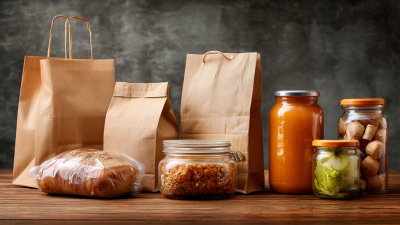
When choosing food boxes for meal prep, sustainability is key. Consumers are increasingly aware of their environmental impact. A report by the Food Packaging Institute indicates that over 70% of consumers prefer eco-friendly packaging. Many food boxes now use biodegradable materials, reducing waste significantly.
In addition to packaging, consider the sourcing of food ingredients. Local and organic options minimize carbon footprints. Studies show that locally sourced food can decrease emissions by up to 50%. This is a big win for both health and the planet. However, not all local options guarantee sustainable practices. Transparency from suppliers is essential. Many consumers struggle to find this information.
Balancing convenience with sustainability can be difficult. Pre-packaged meals often seem quicker but may come in non-recyclable materials. A large portion of food waste also comes from single-use boxes. Reflecting on these choices encourages a thorough assessment of personal habits. Looking for better alternatives may take time and effort, but the benefits to the environment are substantial.
How to Choose the Best Food Boxes for Your Meal Prep Needs?
| Criteria |
Description |
Eco-Friendly Rating |
| Material |
Biodegradable or recyclable materials |
High |
| Size Options |
Different sizes for various meal prep needs |
Medium |
| Price |
Affordable options without compromising quality |
Medium |
| Reusable |
Boxes designed for multiple uses |
High |
| Sourcing |
Materials sourced from sustainable practices |
High |
 Skip to content