...

How to Choose Personalised Packaging Boxes in 2026?

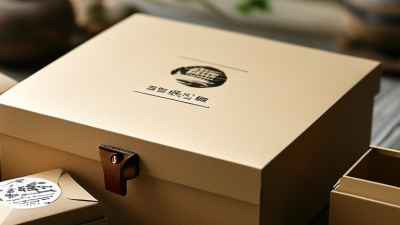
Choosing personalised packaging boxes in 2026 requires more than selecting attractive colours and adding a logo. The right box should protect the product, reflect your brand, and support a practical customer experience. A rigid box may create a premium impression for skincare or jewellery, while lightweight corrugated packaging can suit subscription products and online orders. The choice depends on product weight, shipping distance, storage conditions, and opening habits.

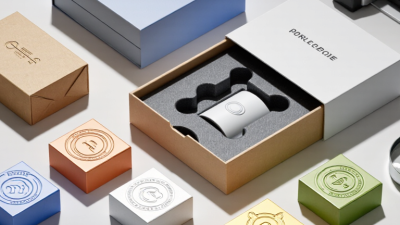
Small details matter. A tight insert can prevent a glass bottle from moving during delivery. A soft-touch finish can make a box feel warmer in the hand. However, finishes, foils, magnets, and complex structures may increase costs and material use. Sustainable packaging also needs careful evaluation. Recycled content, recyclable components, water-based inks, and minimal void space can be useful, but marketing claims should match verified supplier information. Green wording alone is not evidence.

Experience from packaging projects shows that early samples often reveal problems hidden in digital designs. Colours may appear darker on kraft board. A lid may feel loose after repeated handling. We might assume a larger box looks more generous, yet customers may see wasted space instead. Testing is essential. Request physical prototypes, check dimensions, perform simple drop tests, and review production tolerances with experienced manufacturers. Reliable suppliers should explain material grades, lead times, printing limits, and quality checks clearly. This guide explores how to compare personalised packaging boxes in 2026, balance appearance with performance, and make a decision that remains credible after the first shipment. Perfect packaging does not exist. Better decisions do.
How to Choose Personalised Packaging Boxes in 2026?

Define Your Product, Brand, and Packaging Requirements

How to Choose Personalised Packaging Boxes in 2026?

Define Your Product, Brand, and Packaging Requirements

Start with the product, not the artwork. Measure its length, width, height, and actual shipping weight. A glass jar needs shock protection, while a soft garment needs structure and presentation. Check heat, moisture, stacking, and handling risks before choosing board thickness.

Your brand should guide colour, texture, typography, and opening experience. However, decoration must not weaken performance. Smithers’ global packaging outlook estimates the market could reach about $1.2 trillion by 2028. That growth reflects demand for better protection, convenience, and lower material waste. Personalisation should therefore serve a clear purpose, such as easier identification or stronger shelf visibility. More printing is not automatically better.

Then write a practical packaging brief. Include box dimensions, closure style, insert needs, print coverage, quantity, budget, and delivery conditions. The Sustainable Packaging Coalition reports that packaging decisions should consider the full life cycle, including sourcing, production, use, and disposal. Ask whether the box uses unnecessary layers or difficult-to-separate materials. Small changes matter.

Test real samples with the finished product inside. Drop them, stack them, and open them repeatedly. A beautiful box can still fail. I have seen packaging look excellent on screen but arrive scuffed after transport. That mistake is easy to repeat. Leave room for revision, because the first sample rarely solves every requirement. A reliable supplier should provide material specifications, prototype evidence, and consistent quality checks before mass production.
Choose the Right Box Style, Material, and Protective Features

How to Choose Personalised Packaging Boxes in 2026?

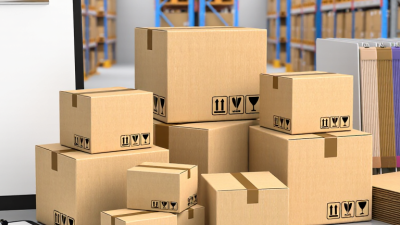
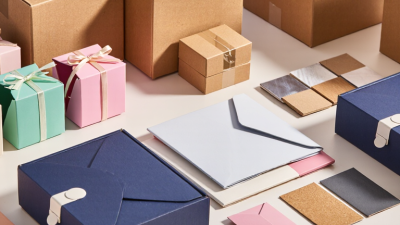
Choosing personalised packaging in 2026 starts with the product, not the artwork. Measure the item, including lids, handles, and fragile edges. A snug fit reduces movement and saves filling material. Mailer boxes work well for flat products and online orders. Rigid boxes create a premium opening experience for gifts or delicate items. Folding cartons suit lightweight products and efficient storage. However, complicated designs can slow packing. I learned this after testing a beautiful box that took too long to assemble.

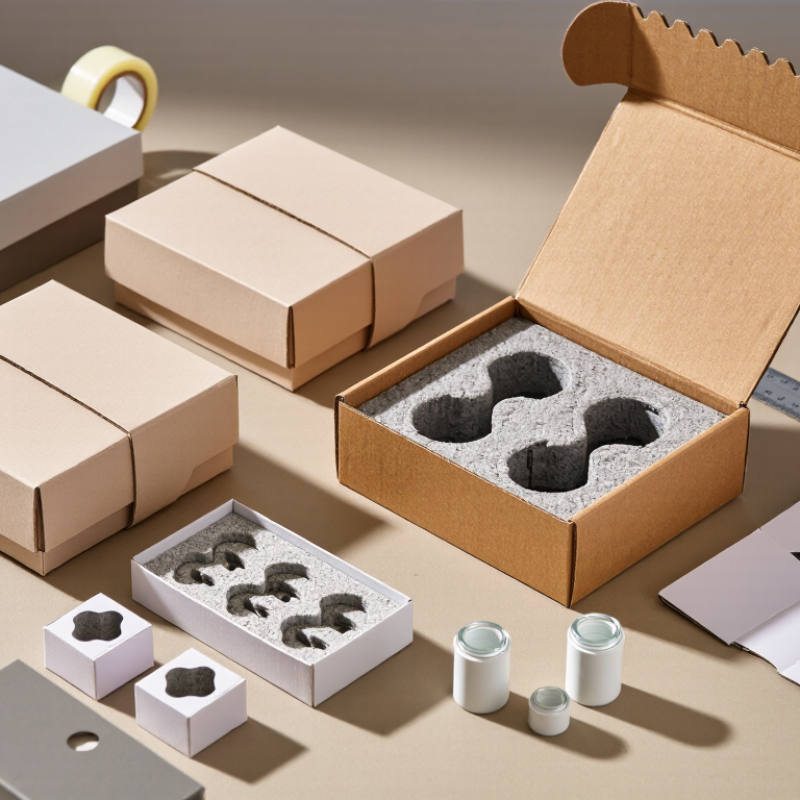
Material should match the product’s weight, moisture exposure, and delivery route. Corrugated board offers useful strength for shipping. Paperboard keeps smaller retail items light and easy to print. Recycled or molded materials can support a lower-waste approach, but their performance still needs testing. Add corner protection, tissue, molded inserts, or a fitted paper cushion when movement is likely. A perfect sample can mislead. Drop tests, compression checks, and trial shipments reveal weak points before production.

Tips: Leave enough space for safe opening without making the box oversized. Check how the box performs in humid conditions. Ask suppliers for material specifications and test samples. Inspect print quality, seams, and closure strength by hand. Keep a small record of failures; it may improve the next design. Avoid assuming thicker always means better.

Plan Personalization Options, Artwork, and Printing Methods

Choosing personalised packaging boxes in 2026 starts with a clear personalization plan. Define the audience, sales channel, box size, and budget before designing artwork. Personalization may involve names, regional messages, seasonal graphics, or small-batch variations. McKinsey research reports that 71% of consumers expect personalized interactions, while 76% feel frustrated when brands provide none. The expectation is strong. However, excessive customization can create production errors and wasted stock.

Artwork must support the box’s physical structure. Keep key text away from folds, glue areas, and cutting lines. Use vector logos, embedded fonts, and images with suitable resolution. A QR code should be tested on matte, textured, and curved surfaces. Color proofs also matter because recycled board can appear warmer than coated paper. Digital printing suits short runs and variable artwork. Flexographic or offset printing may reduce unit costs for larger volumes. Smithers’ 2024 packaging study forecasts strong growth for digitally printed packaging through 2028, reflecting demand for flexible, shorter production runs.

Tips: Create one master template first. Test three physical samples. Compare digital and conventional print quotes. Check readability under store lighting. I have seen attractive artwork fail because a dark fold swallowed the product name. That mistake is easy to miss on a screen. Leave room for revision, because the first design is rarely the most practical.

Balance Sustainability, Budget, Order Volume, and Delivery Needs

How to Choose Personalised Packaging Boxes in 2026?

Personalised packaging should fit your product, budget, and delivery route. In small trials, I measure the item, padding, and label space before requesting quotes. A box that looks elegant may waste material and raise shipping charges. Keep it practical. Recycled paperboard can support sustainability goals, but ask for verified fibre content and suitable inks. Not every “green” claim is clear. Check supplier specifications, test strength, and record the results. This evidence supports more reliable purchasing decisions.

Order volume changes the best choice. For 100 boxes, digital printing may reduce setup costs and allow quick design changes. Larger runs can lower the unit price, but unused stock ties up cash and storage space. I would compare three quantities, including the expected sales rate. Forecasts are often optimistic. A modest first order may protect the budget. Delivery needs matter too. Flat-packed boxes save warehouse space, while rigid boxes may arrive faster to assemble. Request a sample shipment and inspect crushed corners, moisture marks, and delivery timing.

Tips
  • Match box size closely to the product.
  • Use simple artwork to control print costs.
  • Confirm minimum order quantities before approving artwork.
  • Ask for packaging dimensions after assembly, not only flat size.
  • Leave time for one imperfect prototype; it may reveal a costly mistake before mass production.

Compare Suppliers, Review Samples, and Confirm the Final Design

Choosing personalised packaging boxes in 2026 starts with supplier comparison, not attractive mock-ups. Ask each supplier for board grade, thickness, recycled content, coating options, and production tolerance. Request written details about ink durability and packing conditions. A low quote can hide weak edges or costly setup changes. Compare like for like. I once approved a cheaper carton that looked fine online, but its lid loosened after repeated opening. That mistake changed my checklist.

Physical samples reveal problems digital files cannot show. Check color under daylight and warm indoor light. Run your fingers across folds, seams, and printed areas. Place the intended product inside. Test fit. Shake the closed box gently, then open it twenty times. Examine scuffing, crushed corners, and lid tension. If shipping is involved, perform a small drop test with protective contents. Samples may differ from mass production, so ask how the approved version will be matched. Record measurements and photograph defects. Do not trust memory alone.

Before production, confirm the final dieline, dimensions, closure method, artwork version, and print colors in writing. Check text, symbols, and barcode readability at actual size. Ask for a signed or digitally recorded approval proof. Include tolerances for cuts, folds, and color variation. Leave enough time for one correction cycle. Realistically, designs change late. That is where confusion begins. A last-minute logo shift can affect balance, margins, and assembly. Keep one master file and name every revision clearly. Require the supplier to confirm the exact file used for production. Clear records protect both sides, even when the process is imperfect.

ICB_lOGO_2023