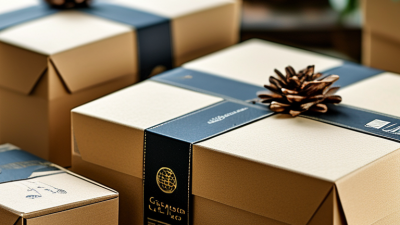
How to Choose the Right Boxes and Packaging for Your Business?
Choosing the right boxes and packaging is crucial for any business. According to Jane Smith, a leading expert in sustainable packaging solutions, "The right packaging can enhance your brand's identity." This highlights the importance of thoughtful selection.
There are many factors to consider when selecting boxes and packaging. Size, material, and sustainability are key elements. The packaging must protect the product but also reflect the brand's values. Businesses often overlook the impact of their packaging on customer perception.
Mistakes in choosing boxes and packaging can lead to disappointment. For instance, using flimsy materials can result in damaged goods. Additionally, neglecting the aesthetic appeal may hinder a brand’s potential. It's essential to strike a balance between function and design. Ultimately, investing time into this decision can lead to significant rewards for your business.
Understanding Different Types of Boxes and Packaging Materials
When selecting packaging materials, understanding types is crucial. Corrugated boxes are popular for shipping. They provide strength and are cost-effective. Studies show that 80% of consumers prefer corrugated packaging for its protective qualities. These boxes can endure rough handling, making them suitable for e-commerce.
Then, consider sustainable options. Eco-friendly materials are gaining traction. According to a 2021 industry report, 72% of consumers are concerned about brands' environmental impacts. Using biodegradable or recyclable materials can enhance brand loyalty. However, striking a balance between sustainability and cost is necessary.
Plastic packaging offers durability but poses challenges. Many consumers view plastic negatively. In fact, a survey revealed that 66% of people would switch brands for sustainable packaging. This highlights the importance of aligning packaging choices with consumer values. Making thoughtful decisions improves perception and sales.
Assessing Packaging Needs Based on Product Size and Weight
Choosing the right packaging starts with understanding your product's size and weight. Larger items often require sturdier boxes to prevent damage during transit. For instance, a bulky item might need a double-walled box. This adds strength but also weighs more. You need to balance durability and shipping costs.
Lightweight products, on the other hand, can use simpler packaging. Corrugated cardboard is a good option for many sizes. It provides protection without unnecessary weight. However, relying too much on standard sizes may lead to wasted space inside the box. This could increase shipping expenses and affect your bottom line.
Consider the fit of your packaging. Oversized boxes can lead to shifting during transport, which may damage the product. Underestimating the weight can also lead to packaging failures. Test different options to find the best fit. It's crucial to review and adjust your packaging choices as your product line evolves.
Evaluating Cost-Effectiveness of Packaging Options
When evaluating cost-effectiveness in packaging options, consider material choice. Some materials, like cardboard, are economical and recyclable. However, they may not offer the best protection for fragile items. Balancing cost and durability is essential for minimizing potential losses during shipping.
Another crucial aspect is size. Oversized boxes lead to waste and increased shipping costs. Smaller, well-fitted packages minimize shipping fees and reduce material usage. However, too small a box can risk damage to the product, requiring careful measurement.
Long-term evaluations matter as well. While cheaper options might save money initially, they can lead to higher returns and replacements. This is a red flag for any business aiming for sustainability. It’s essential to assess both immediate costs and future implications carefully.
Sustainability Trends in Packaging: Eco-Friendly Alternatives
Sustainability has become a crucial factor in packaging choices for businesses. According to a 2022 report by Smithers Pira, the global sustainable packaging market is expected to reach $1 trillion by 2027. Consumers increasingly demand eco-friendly solutions. This shift compels companies to rethink their packaging approach.
Many businesses are exploring materials like recycled paper, biodegradable plastics, and plant-based options. A survey by Packaging Europe revealed that 67% of respondents prefer brands that utilize sustainable packaging. This preference influences purchasing decisions significantly. However, adopting eco-friendly packaging can be challenging. The cost of sustainable materials is often higher than conventional options, and the transition can disrupt existing supply chains.
It is essential to balance sustainability with functionality. While consumers are keen on eco-friendly packaging, they also expect durability and protection for the product. Ensuring these criteria can lead to complexities in packaging design and production. As businesses navigate these challenges, a continuous review of their practices is vital. Ultimately, the goal should be to create packaging that is both environmentally responsible and effective in fulfilling customer needs.
How to Choose the Right Boxes and Packaging for Your Business? - Sustainability Trends in Packaging: Eco-Friendly Alternatives
| Packaging Type |
Material |
Sustainability Rating |
Cost Per Unit ($) |
Recyclability |
| Cardboard Box |
Recycled Cardboard |
High |
0.50 |
Yes |
| Biodegradable Bag |
PLA (Polylactic Acid) |
Medium |
0.30 |
Yes |
| Glass Container |
Glass |
Very High |
1.20 |
Yes |
| Plastic Container |
PET (Polyethylene Terephthalate) |
Low |
0.80 |
Yes (if recycled) |
| Kraft Paper Bag |
Kraft Paper |
High |
0.25 |
Yes |
Impact of Packaging on Consumer Behavior and Brand Perception
Packaging plays a crucial role in shaping consumer behavior. It goes beyond mere protection of products. Effective packaging captures attention on store shelves. Colors, textures, and shapes influence purchasing decisions. Research shows that consumers often make split-second judgments based on packaging design. A unique package can create intrigue. It can even lead to impulse buys, as shoppers are drawn to visually appealing designs.
Brand perception is also heavily tied to packaging. Quality packaging gives an impression of a quality product. If a package looks cheap, consumers might assume the product is as well. Sustainability is gaining importance. Eco-friendly packaging can enhance brand reputation. Shoppers are increasingly looking for brands that align with their values. However, not every company successfully taps into this trend. Some miss the mark, failing to deliver on their sustainability claims, leading to distrust.
It’s vital to reflect on how packaging communicates a brand’s message. Flaws in design can turn potential buyers away. A complex design might confuse customers. Simple packaging can often be more effective. Balancing innovation and clarity is crucial. Brands should continuously evaluate their packaging strategies. Regular feedback can provide insights into consumer preferences and perceptions. Adapting to these reflections will help businesses thrive in a competitive marketplace.
 Skip to content