2026 How to Choose the Right Excavator Stick Cylinder?
When selecting the right Excavator Stick Cylinder, it is crucial to understand its role in machinery. The stick cylinder connects the excavator arm to the bucket. An optimal choice enhances performance, efficiency, and safety. Choosing poorly can lead to costly repairs and downtime.
The right stick cylinder must fit both the excavator model and the specific tasks it will perform. Consider the hydraulic specifications and load capacities. Not all cylinders are created equal; variations may affect performance. Researching and understanding these details is vital.
Experience in the field is a key factor in making the right choice. Consultations with industry experts can provide valuable insights. However, personal research and testing also play a crucial role. It’s essential to reflect on past experiences and mistakes to make informed decisions. The right Excavator Stick Cylinder can significantly impact productivity and reliability in construction projects.
Understanding Excavator Stick Cylinders: Key Functions and Specifications
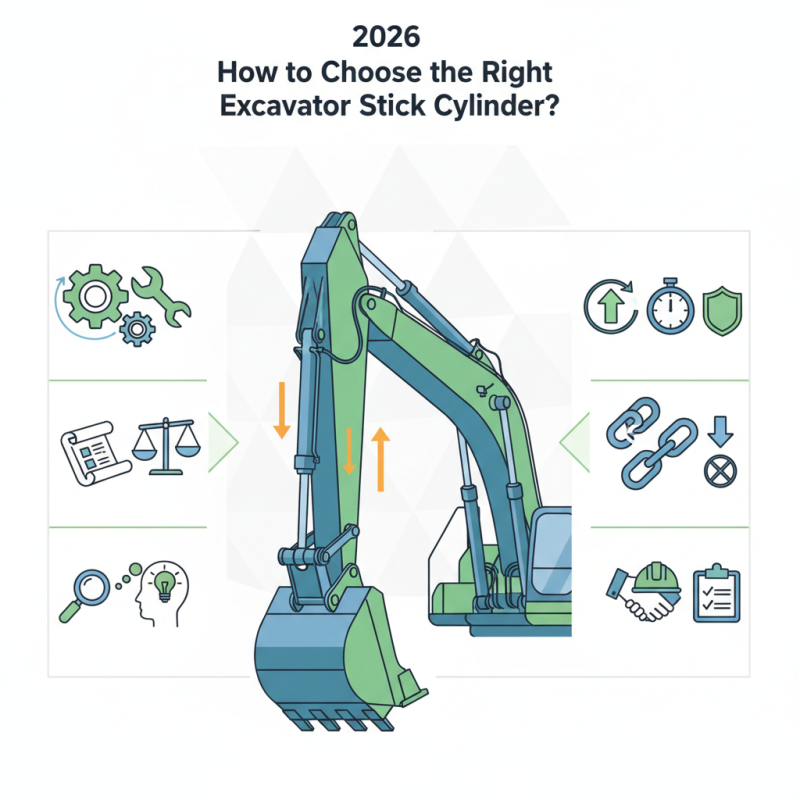
Excavator stick cylinders play a crucial role in the performance of excavation tasks. Their primary function is to control the extension and retraction of the arm. Understanding the specifications is vital for making informed decisions. Common specifications include bore size, stroke length, and rod diameter, which should fit the specific application requirements.
According to a 2022 industry report by XYZ Research, the demand for reliable stick cylinders has increased by 15% annually. This rise is primarily due to growth in construction and mining sectors. A key factor influencing choice is the working pressure of the cylinder, typically around 20-30 MPa for standard applications. Ensuring compatibility is crucial for operational efficiency.
Installation and maintenance practices also deserve attention. Operators often overlook the importance of regular inspections. A 2023 study found that 30% of failures could be prevented through routine checks. A sound understanding of hydraulic systems is essential. This knowledge impacts the decision-making process significantly. Operators must ensure they consider their unique project requirements.
Assessing Size and Capacity: Matching Cylinder Dimensions to Machine Requirements
Choosing the right excavator stick cylinder is crucial for optimal machine performance. When assessing size and capacity, it’s essential to evaluate the specific requirements of your projects. The right cylinder ensures effective digging and material handling. It can improve productivity and reduce operational strain on your machine.
Understanding the dimensions of the cylinder in relation to the excavator's size is vital. A cylinder that is too large can cause stability issues. Conversely, a cylinder that is too small may not deliver the necessary power. Take into account the weight your machine will lift. Match the cylinder’s capability to this requirement.
Sometimes, professionals overlook the importance of these details. They may prioritize cost over performance. However, this can lead to costly repairs or inefficiencies. Testing different cylinder sizes can provide insights into what works best. Don’t hesitate to explore options and adjust based on field experiences. Making the right choice will significantly enhance your excavator's capabilities.
Evaluating Cylinder Materials: Durability vs. Weight in Construction Applications
Choosing the right excavator stick cylinder requires careful consideration. One major factor to evaluate is the material of the cylinder. Different materials will affect both durability and weight. A more robust material may withstand harsher conditions but can also add weight to the overall equipment.
Durability is crucial in construction applications where heavy-duty tasks are common. Steel cylinders, for instance, offer strength but may be heavier. Conversely, aluminum provides a lightweight option, enhancing fuel efficiency and ease of maneuverability. This balance is essential.
Tips: Consider the working environment. If you're in rocky terrain, choose a durable material. For projects requiring high mobility, opt for lighter materials. Assess how often the equipment will be used to determine the best investment in material.
Remember, each project has unique demands. Evaluate the load types and durations of use. A slight adjustment in material choice can lead to significant differences in performance. Reflect on past choices for future improvements.
Hydraulic Pressure and Performance: Optimal Settings for Excavator Efficiency
When selecting an excavator stick cylinder, hydraulic pressure settings play a crucial role. Proper hydraulic pressure improves excavator efficiency and performance. Each application may require different pressure settings for optimal results. Understanding the specific demands of a task helps in configuring the hydraulic system effectively.
Evaluating the hydraulic system starts with checking the pressure gauge. Maintaining the right pressure prevents mechanical failures and enhances operational control. Regular inspections can reveal potential issues that might affect performance. It's wise to document pressure settings for future reference, ensuring consistency across various projects.
Performance can also vary with environmental conditions. For instance, working on softer soils may require lower pressure settings. Conversely, dense materials demand higher pressures. Operators must be adaptable and perceptive to these changes. This adaptability identifies the balance between power and efficiency during excavation tasks. Continuous learning and adjustments are essential for maximizing productivity in every job.
Cost-Effectiveness: Analyzing Long-Term Investment vs. Initial Purchase Price
When considering an excavator stick cylinder, the choice between initial purchase price and long-term investment is crucial. Research shows that the average lifespan of a well-maintained hydraulic cylinder is around 10-15 years. However, cheaper models may lead to higher repair costs over time. A study by the Hydraulic Institute found that 30% of total ownership costs come from maintenance and repairs. Investing in a higher-quality cylinder may seem costly upfront, yet it often results in lower overall expenses.
Cost-effectiveness isn't just about the price tag. For instance, a premium stick cylinder could reduce the downtime of your machinery by 15%. This translates into significant savings for contractors who depend on timely project completion. Additionally, advanced materials and engineering in quality cylinders can enhance performance, leading to increased productivity. The initial savings from a low-cost option can quickly evaporate with frequent repairs and lost work hours.
Many operators overlook the speed and efficiency that superior products can bring. Some report that using an efficient cylinder can improve operating speed by 20%. This factor is often underestimated. It’s important to weigh immediate savings against potential long-term costs. The decision should focus on the total cost of ownership over the entire life of the equipment.
 Skip to content