How to Choose the Best Food Packaging Solutions for Your Business?
Choosing the right food packaging solutions is crucial for any business in the food industry. According to a 2021 report by Research and Markets, the global food packaging market is expected to reach over $500 billion by 2028. This growth reflects an increasing awareness of sustainability and convenience among consumers. Effective packaging can enhance product appeal and ensure safety.
The food packaging solutions you select affect not just your brand image, but also profit margins. For instance, innovative materials can reduce waste and improve shelf life. However, navigating the myriad of options can be overwhelming. Many choose materials based solely on cost, often overlooking critical factors like recyclability or consumer preferences.
Reflection is key in this decision-making process. Are your current choices resonating with environmentally conscious consumers? Are you keeping pace with industry trends? As the market evolves, ensuring your food packaging solutions align with consumer demands and regulatory standards is vital. Choices made today will shape your brand's future.

Understanding Food Packaging Requirements for Different Products
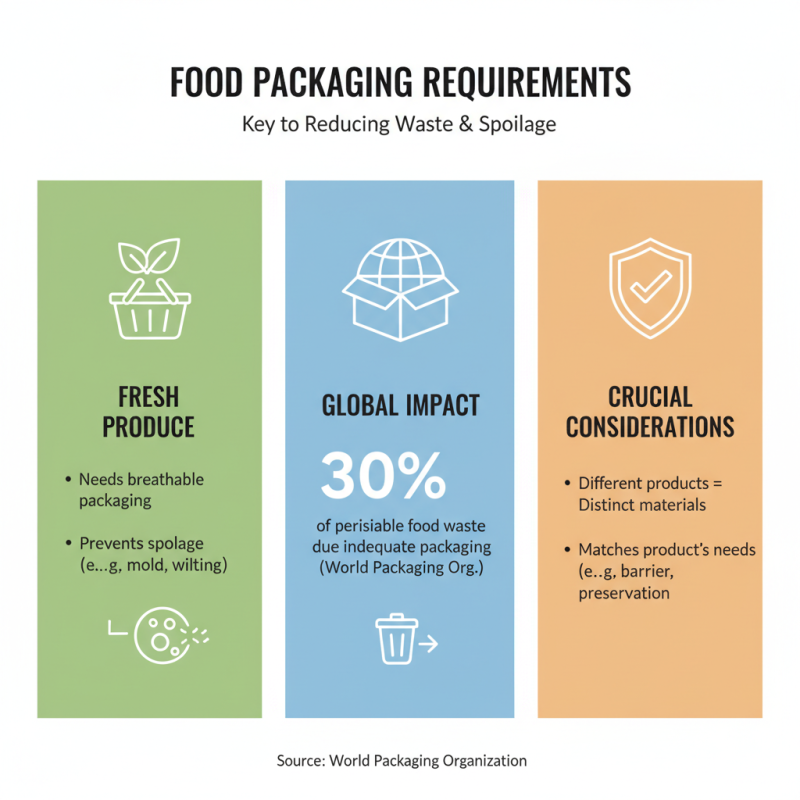
Understanding food packaging requirements is crucial. Different products demand distinct materials and designs. For instance, fresh produce often requires breathable packaging to prevent spoilage. According to the World Packaging Organization, 30% of perishable food waste happens due to inadequate packaging.
Meat and dairy products have specific needs too. They must be sealed thoroughly to prevent contamination. Reports show that improper packaging can lead to a 60% increase in spoilage for these items. Sustainable packaging is gaining traction. Biodegradable options are becoming more popular but can be costlier.
Creating a dilemma, businesses must balance cost and sustainability. Using right packaging minimizes waste but can be complex. As regulations evolve, companies face challenges keeping up. The packaging landscape is dynamic and requires constant attention. It's not enough to just choose a material; understanding the product's life cycle is vital.
Evaluating Sustainable Materials for Food Packaging Solutions
Sustainable materials play a crucial role in food packaging. Many businesses overlook their environmental impact, which can be significant. According to a 2022 report by the World Economic Forum, around 300 million tons of plastic are produced globally each year. A substantial amount of this ends up in landfills and oceans.
Biodegradable materials are gaining traction. These materials can break down naturally, reducing waste considerably. For instance, research by the Food Packaging Institute shows that compostable options can reduce landfill waste by 30%. However, not all biodegradable materials are created equal. Some may require specific composting conditions to decompose effectively. This raises questions about their real sustainability.
Companies need to evaluate their options carefully. Paper-based packaging often has a lower carbon footprint, yet its sourcing can be problematic. Unsustainable deforestation still poses a risk. Moreover, some innovative alternatives, such as edible packaging, are being developed, but they are not widely available. A one-size-fits-all approach is inadequate. It's essential to consider local regulations, customer preferences, and long-term environmental benefits.
Analyzing Cost-Effectiveness in Food Packaging Choices
Choosing the right food packaging is crucial for any business. Cost-effectiveness plays a significant role in this decision. Many companies assume that cheaper materials will save money. However, low-cost packaging can lead to spoilage, waste, and customer dissatisfaction. Reflecting on these factors is key to making better choices.
Materials like biodegradable options are often more expensive upfront. Still, they can reduce disposal costs and enhance brand image over time. Investing in quality packaging may seem daunting. Yet, it can lead to long-term savings by minimizing returns and increasing customer loyalty. Did you analyze your current packaging's effectiveness? Small adjustments may uncover vast improvements.
Evaluating supplier options is essential. Compare costs, but also consider service and reliability. Sometimes, the cheapest option might not meet delivery timelines. Lost revenue from delays can outweigh initial savings. Take time to reassess. The goal is not just to save money but to enhance the entire customer experience. A wise choice today can lead to a more sustainable and profitable future.
Exploring Technological Innovations in Food Packaging
The world of food packaging is evolving rapidly. Innovations are streaming in, aiming for sustainability and efficiency. Edible packaging is gaining traction. It allows consumers to consume the package itself, reducing waste. Many startups are experimenting with seaweed and starch-based materials. These developments point toward a greener future.
Smart packaging is another exciting area. It includes sensors to monitor freshness and quality. This technology alerts consumers when food is no longer safe to eat. However, the cost of implementing such technology can be high. Companies may struggle with balancing quality and expense. There's also the risk of relying too heavily on technology. It can lead to forgetfulness about basic food safety practices.
Biodegradable and compostable materials are crucial. They offer a sustainable alternative to traditional plastics. Yet, not all biodegradable options break down easily. Some require specific conditions to decompose. This inconsistency can confuse businesses and consumers alike. Thoughtful consideration is needed when selecting these materials for packaging.
Assessing Regulatory Compliance for Food Packaging in Your Area
When considering food packaging, understanding regulatory compliance is crucial. Each region has specific guidelines that must be followed. These rules ensure safety and quality for consumers. Familiarize yourself with local regulations. Ignoring them can result in costly fines or product recalls.
**Tips:** Research the specific regulations that apply to your products. Contact local authorities if you’re unsure. This step can save your business from potential setbacks.
Don’t overlook the materials you choose. Some substances may not comply with safety standards. Using non-compliant packaging can lead to legal issues. It's wise to conduct regular audits of your packaging materials.
**Tips:** Opt for suppliers who understand regulatory requirements. Develop a checklist of compliant materials for your team. Consistent communication with suppliers can mitigate risks and enhance compliance.

 Skip to content