How to Choose the Best Pneumatic Air Pick?
Choosing the best Pneumatic Air Pick is not simply a matter of selecting the highest impact rate. The correct choice depends on material hardness, working angle, air supply, tool weight, vibration, and operator experience. A tool that feels powerful on a concrete slab may become tiring during overhead work. Small details matter.
Industry research supports this careful approach. MarketsandMarkets has reported continued growth in the global pneumatic tools market, driven by construction, manufacturing, and maintenance demand. The European Agency for Safety and Health at Work identifies musculoskeletal disorders as one of Europe’s most common work-related health problems. NIOSH also recognizes hand-arm vibration as an important occupational exposure. These findings make comfort and vibration control practical selection factors, not optional features.
Ergonomics researcher Dr. David Rempel has emphasized, “The best way to reduce vibration exposure is to control it at the source.” His principle applies directly to air picks. Buyers should compare declared vibration values under ISO 28927 methods, not rely only on marketing claims. They should also check the compressor’s actual output, hose diameter, coupler restrictions, and the pick’s blows per minute. A mismatch can cause weak impacts, pressure loss, or premature wear.
Some recommendations remain imperfect. Manufacturer test conditions may not reflect a dusty demolition site or a cold workshop. Real use can be messier. This guide examines practical trade-offs, including impact energy, handle design, maintenance access, and total operating cost. The strongest Pneumatic Air Pick is not always the largest one. It is the tool that delivers controlled performance without exhausting its operator.
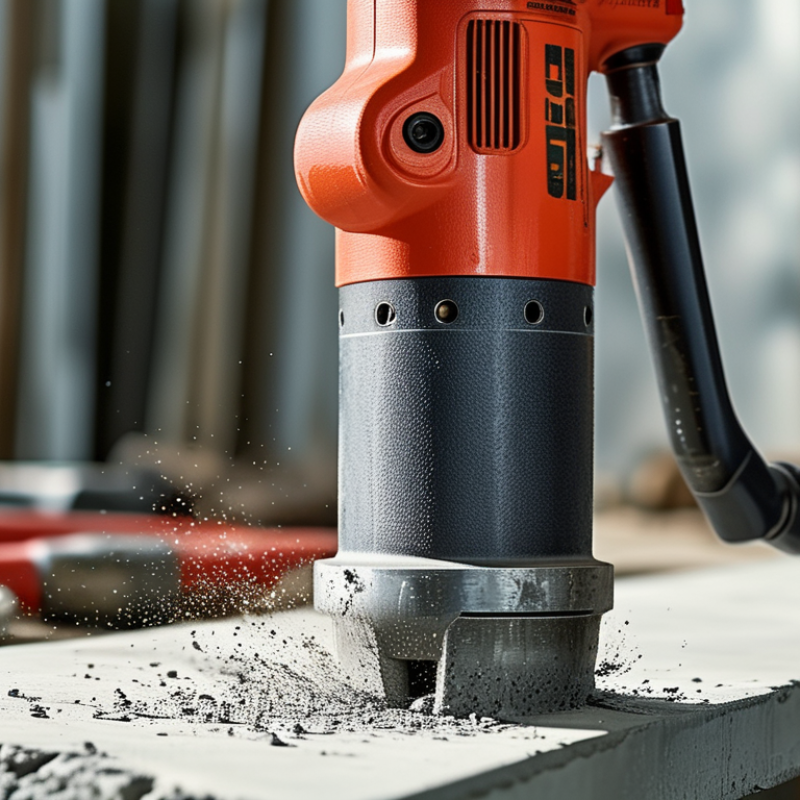
Define the Work Requirements for a Pneumatic Air Pick
Choosing the best pneumatic air pick starts with defining the work, not comparing tool sizes. Identify the material first: compacted soil, masonry, frozen ground, or soft aggregate each needs different impact force. Measure the working depth and available space. A narrow trench may require a shorter, lighter tool with a suitable bit. Check the expected operating hours, because a tool used for ten minutes differs from one used throughout a shift.
Your air supply must match the tool’s requirements. Confirm compressor pressure, airflow, hose length, and connector size before purchase. Low airflow can make a powerful air pick feel weak. Excessive pressure may increase wear and vibration. Consider operator control as well. Weight, grip shape, noise, and vibration affect accuracy and fatigue. Specifications can mislead when site conditions are ignored. That assumption needs checking.
Tips: Test the material with a sample bit if possible. Record the actual compressor pressure during operation. Choose the bit according to the material, not convenience. Inspect seals, springs, and fittings regularly. A heavier tool is not always better. In confined areas, poor balance can slow the work and increase handling errors. Ask an experienced operator to review the plan before ordering. Their practical feedback may reveal a problem that a catalog cannot show.
Compare Air Pick Types, Sizes, and Operating Mechanisms
How to Choose the Best Pneumatic Air Pick?
Compare Air Pick Types, Sizes, and Operating Mechanisms
Choosing an air pick starts with the material, not the catalog size. Chisel picks suit concrete joints, masonry, and compacted soil. Clay spades provide broader impact coverage. Needle-scaled heads work better on rust, coatings, and narrow metal surfaces. The operating mechanism also matters. Most models use a reciprocating piston that converts compressed air into repeated impacts. Higher blows per minute can improve speed, but impact energy often matters more on dense material. Small tools feel easier to control. Large tools remove material faster and create greater hand-arm vibration.
Match the tool to its shank size, stroke length, operating pressure, and air consumption. A longer stroke usually delivers stronger impacts, although it may increase vibration. Check the compressor’s actual delivery at working pressure, not its advertised tank volume. The U.S. Department of Energy reports that compressed air can represent about 10% of industrial electricity use. The Compressed Air Challenge also identifies leakage as a common source of wasted capacity. That makes hose diameter and fittings important. A restrictive hose can make a powerful pick feel weak.
There is no perfect specification sheet. A higher BPM rating may hide low impact energy. I have seen this mistake in workshop comparisons. Test the pick on the real surface for five minutes. Observe removal rate, grip fatigue, noise, and air pressure stability. ISO 5349 guidance supports measuring hand-transmitted vibration during tool selection. One overlooked detail: operator comfort affects consistent output. Choose the smallest air pick that completes the task without stalling.
Check Tool Materials, Ergonomics, Safety, and Maintenance Needs
Choosing a pneumatic air pick requires more than comparing impact force. Tool materials matter first. A hardened alloy-steel body should resist repeated impacts, while corrosion-resistant parts help in damp workshops. Check the pick’s shaft, retainer, and trigger carefully. Small surface damage can become a serious failure point.
Ergonomics deserves equal attention. Hold the tool before buying it. A balanced body, textured grip, and reachable trigger reduce awkward wrist angles. NIOSH identifies hand-arm vibration as a workplace exposure that can damage nerves and blood vessels over time. Vibration ratings should therefore be treated as selection data, not decoration. The lighter tool is not always better. A heavier model may feel steadier, but fatigue can arrive sooner. That judgment is easy to get wrong.
Safety depends on the whole work area. OSHA’s general industry noise standard uses 90 dBA as an eight-hour permissible exposure limit, while NIOSH recommends 85 dBA for stronger protection. Hearing protection and measured noise levels should guide daily use. Inspect the air hose, couplings, retainer, and exhaust path before each shift. OSHA 29 CFR 1910.242(b) limits compressed-air cleaning to 30 psi, with chip guarding and suitable protective equipment. Maintenance also needs clean, dry air, correct lubrication, and scheduled seal replacement. ISO 8573-1 can help define air-quality requirements. Real workshops are messier than checklists. Record failures, near misses, and operator complaints, then adjust the maintenance plan.
How to Choose the Best Pneumatic Air Pick?
A practical 100-point evaluation model for comparing tool materials, ergonomics, safety, and maintenance requirements.
Safety receives the highest weighting because pneumatic impact tools can expose operators to noise, hand-arm vibration, flying particles, and accidental starts. Check vibration and noise data using recognized measurement methods, confirm tool construction and working parts are suitable for the intended material, choose a manageable weight and grip design, and verify lubrication, filtration, hose, and inspection requirements before purchase. Relevant references include ISO 11148-4, ISO 28927-10, OSHA 29 CFR 1910.95, and ISO 8573-1.

 Skip to content