Choosing the right custom medals with ribbons for bulk orders requires more than comparing prices. It involves design accuracy, material quality, production capacity, and dependable communication. Experienced buyers usually begin with the event’s purpose, audience, and presentation style. A school award may need bright enamel and durable ribbons. A corporate recognition medal may suit polished metal, engraved details, and restrained colors.
Small details matter. Ribbon width affects comfort and appearance. A 25-millimeter ribbon often feels balanced for youth events. Heavy medals may require stronger stitching and reinforced attachment points. Suppliers should provide clear specifications, realistic production schedules, and physical samples when possible. Reviewing previous projects can also reveal finishing consistency, edge quality, and packaging standards. A trusted manufacturer should explain limitations, not only promise perfection.
Bulk production rewards careful preparation. Digital proofs should confirm text, logos, colors, plating, and ribbon layouts before manufacturing begins. One overlooked letter can affect hundreds of medals. No option is perfect. Metallic finishes may appear slightly different under indoor lighting, and handmade assembly can create minor variations. That is why practical quality checks remain essential. Buyers should request sample approval, inspect random finished pieces, and confirm replacement policies in writing.
This guide explores top medal styles, ribbon choices, customization methods, and supplier considerations for large orders. It focuses on useful decisions rather than impressive claims. Whether planning a sports tournament, academic ceremony, charity event, or company milestone, the best selection combines visual impact with dependable delivery. A memorable award should feel substantial in the hand and consistent across every recipient’s experience.
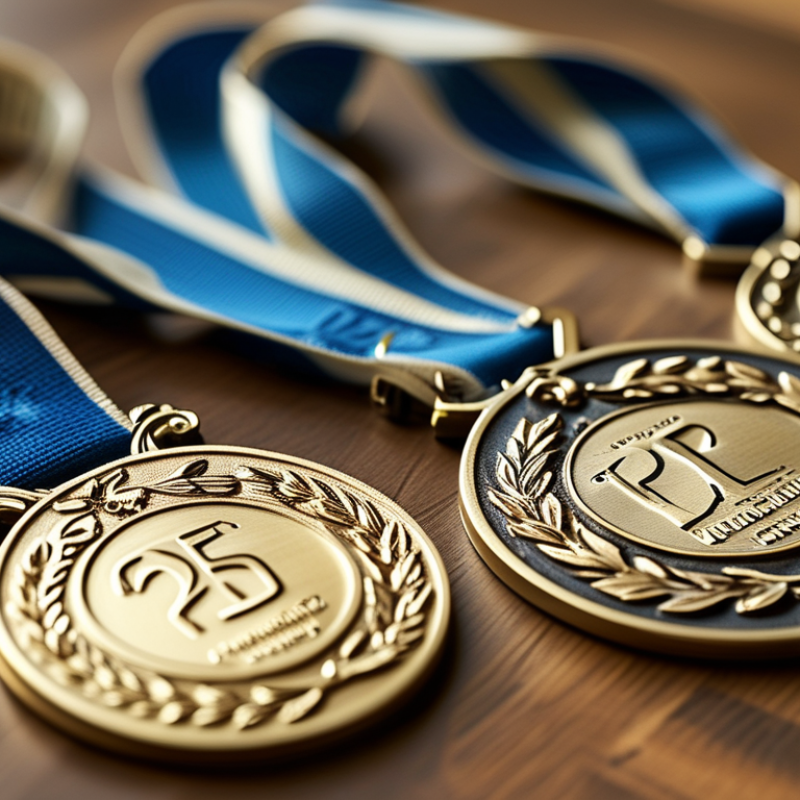
For bulk awards, choosing the right medal and ribbon types affects cost, comfort, and presentation. Die-struck medals suit clean logos, dates, and raised lettering. Soft enamel medals add bright color to simple shapes. Printed designs work well for gradients, photographs, or detailed illustrations. Acrylic medals can create a lighter, modern appearance. Each style serves a different event.
Details matter.
Ribbon selection should match the medal’s weight and the event’s setting. Satin ribbons feel smooth and display colors clearly under indoor lighting. Polyester ribbons offer strong color saturation and practical durability for outdoor ceremonies. Custom patterns, edge stitching, and repeating text can improve group identity. Common widths include 15, 20, and 25 millimeters. A detachable clip makes distribution faster and replacement easier.
Before production, request a digital proof with exact dimensions and attachment positions. Review plating samples, ribbon colors, and edge finishes before approving a bulk order. Count every medal and inspect several pieces from different cartons. A sample may reveal that small lettering disappears after polishing. I have seen attractive designs become uncomfortable when the medal was too thick. That mistake is easy to miss on a screen. Bulk buyers should confirm packaging, delivery schedules, spare quantities, and acceptable color variation. Leave time for one correction. Do not rush.
Designing custom medals for bulk orders requires more than a striking shape. High-quality pieces begin with a clear purpose, whether they recognize athletic performance, service, or community achievement. The design should remain readable at a small size. Fine lettering often disappears after molding or plating. Strong outlines, balanced spacing, and a simple central symbol usually create better visual impact.
Material choice affects weight, durability, and comfort. Zinc alloy supports detailed relief work and complex silhouettes. Brass or iron can provide a denser, more traditional feel. A secure ribbon attachment matters too. The ring should sit firmly without sharp edges. Ribbons need consistent stitching, accurate colors, and enough width to support the medal. Small defects become obvious in large quantities.
I have seen attractive prototypes fail during production. The raised details were too shallow, and the final surface looked flat. That mistake changed how I review artwork. I now inspect contrast, edge depth, attachment points, and sample colors before approving a full batch. A physical sample remains valuable, even when digital proofs look perfect. Some finishes also age differently than expected. Testing a few units under normal handling can reveal scratches, loose fittings, or uneven plating before the order reaches every recipient.
| Design Element | Common Specification | Recommended Bulk-Order Standard | Quality Indicators | Practical Use |
|---|---|---|---|---|
| Medal Diameter | 50–80 mm for most award and commemorative medals | 60–70 mm for a balanced appearance and manageable shipping weight | Consistent dimensions across the production batch; no visible distortion | Suitable for sports events, schools, clubs, ceremonies, and corporate programs |
| Base Metal | Zinc alloy, iron, brass, or bronze | Select the metal according to relief detail, weight, finish, and budget | Even casting, stable edges, clean surface, and no cracks, pits, or sharp burrs | Zinc alloy supports detailed shapes; iron is often used for cost-conscious large runs |
| Medal Thickness | Approximately 2–5 mm, depending on size and design | About 3 mm for a durable medal that remains comfortable to wear | The medal should feel solid without excessive bending or a fragile rim | Appropriate for medals handled frequently or presented with certificates |
| Relief and Engraving | Raised 3D artwork, recessed lettering, or laser and die engraving | Use bold shapes and lettering that remain legible at the selected medal size | Sharp transitions, readable text, balanced depth, and no filled-in fine details | Helps event names, dates, numbers, and symbols remain identifiable |
| Enamel Fill | Soft enamel or hard enamel in selected color areas | Use clearly separated color fields with metal outlines between sections | Even color coverage, clean borders, no bubbles, chips, pinholes, or overflow | Adds visual contrast and supports event themes or medal categories |
| Plating and Surface Finish | Gold, silver, bronze, black, antique, or two-tone appearance | Choose one dominant finish and confirm the approved sample before bulk production | Uniform color, smooth coating, clean separation between polished and recessed areas | Creates hierarchy between first-, second-, and third-place awards |
| Ribbon Width | Common widths include 20, 25, and 30 mm | 25–30 mm for medium and large medals; match the width to medal weight | Straight stitching, even folds, accurate colors, and no loose threads | Improves comfort, visibility, and the overall presentation of the award |
| Ribbon Material | Polyester satin, woven polyester, or polyester grosgrain | Use tightly woven polyester for color consistency and repeated handling | Even weave, secure stitching, stable color, and resistance to fraying | Works for indoor and outdoor award ceremonies when properly finished |
| Attachment Method | Ribbon loop, jump ring, split ring, or swivel clasp | Use a reinforced ring or clasp when the medal is heavy or frequently handled | Secure connection, smooth movement, and no exposed sharp edges | Reduces the risk of separation during transport and presentation |
| Custom Artwork | Vector artwork with event name, date, emblem, category, or slogan | Provide editable vector files and approve a digital proof before tooling | Correct spelling, accurate proportions, clear lines, and faithful color placement | Ensures the final medal represents the event accurately |
| Edge Design | Smooth, rope, scalloped, serrated, or custom-shaped edge | Use a defined edge profile to frame the artwork and protect the perimeter | Consistent contour, smooth handling surface, and no uneven casting marks | Adds structure and makes the medal easier to distinguish from standard shapes |
| Bulk Quality Control | Pre-production proof, first-article check, in-process inspection, and final sampling | Confirm dimensions, artwork, color, finish, attachment, quantity, and packaging | Inspection records, agreed tolerances, and consistent results across the shipment | Helps reduce defects and maintain uniformity in large quantities |
| Packaging | Individual polybags, cardboard sleeves, foam inserts, or presentation boxes | Use protective separation to prevent scratches, tangling, and finish damage | Secure packing, accurate count per carton, and visible carton identification | Simplifies storage, distribution, and presentation at large events |
Note: Specifications are common planning ranges for custom medals and should be confirmed with an approved production sample before placing a bulk order.
Top Custom Medals With Ribbons for Bulk Orders
Material choice affects weight, detail, durability, and cost. Zinc alloy suits raised logos and layered designs. Brass creates a heavier, traditional feel. Iron works well for simple shapes and controlled budgets. Aluminum is lighter, but its thinner profile may feel less substantial. I recommend reviewing a physical sample before approving a large order. Digital images can hide sharp edges and small surface flaws.
Common medal sizes range from 40 to 75 millimeters. A 50-millimeter medal is comfortable for most school, sports, and community events. Larger medals offer more space for dates, names, and detailed symbols. However, extra size increases weight. That detail is easy to overlook. Polished finishes reflect light strongly, while brushed and sandblasted finishes create a softer appearance. Antique finishes add depth around raised lettering. Soft enamel supplies color, although tiny areas can appear uneven after production.
Ribbon selection should match the medal’s weight and wearing time. Polyester ribbons are durable and economical for bulk orders. Satin ribbons feel smoother and suit formal presentations. Standard widths include 15, 20, and 25 millimeters. Choose a wider ribbon for heavier medals. Custom printed ribbons can display event names, years, or simple patterns. Color matching needs a physical proof because screens vary. In my experience, attachment hardware deserves equal attention. A weak ring can damage an excellent medal. Check stitching, clasp strength, ribbon alignment, and packed samples before final approval. Bulk production is efficient, but rushing the sample stage often creates avoidable compromises.
Top Custom Medals With Ribbons for Bulk Orders
Bulk pricing depends on medal size, metal finish, ribbon style, packaging, and order quantity. A 50 mm medal with a single-color ribbon usually costs less than a large, layered design. Many suppliers set minimums between 50 and 100 pieces, though larger orders can reduce the unit price. Request a detailed quote showing tooling, setup, proofing, packaging, and shipping separately. That detail prevents unpleasant surprises.
Production timelines often include artwork approval, mold preparation, manufacturing, quality inspection, and delivery. Allow three to seven business days for a digital proof. Standard production may require 15 to 30 business days after approval. Complex colors, moving parts, or individual names can add time. Build in a small buffer. Rushed schedules create avoidable mistakes. I have seen attractive estimates fail because shipping time was ignored.
Tips: Confirm the exact minimum order before designing. Ask for a physical sample when color accuracy matters. Check ribbon width, attachment strength, and edge polishing. Keep a final list with names and quantities. Even one spreadsheet error can affect dozens of medals. Review the approved proof carefully, then request written confirmation of the delivery date.
Typical bulk-order pricing and production timelines by quantity
Larger orders generally reduce the estimated unit price. The typical minimum order quantity is 50–100 pieces, while standard production usually takes 15–25 business days after artwork approval, excluding shipping and complex packaging.
Figures show typical industry ranges for custom zinc-alloy medals with standard ribbon finishes; final pricing and timelines vary by size, plating, 2D/3D detail, ribbon customization, packaging, and shipping destination.
For bulk orders, custom medals with ribbons require more than attractive artwork. Selecting a reliable supplier begins with evidence, not polished promises. Ask for material samples, ribbon swatches, and a digital proof before paying a deposit. An experienced supplier explains alloy options, plating, enamel depth, and attachment strength in clear language. Look closely. A sharp edge or loose ring can ruin an otherwise attractive award.
Request a production timeline with approval dates, manufacturing time, and shipping estimates. The quote should separate mold fees, unit pricing, packaging, shipping, and possible revision charges. Reliable teams confirm quantities and artwork details in writing. They also explain quality checks, including color consistency and ribbon stitching.
In my purchasing experience, small test batches reveal problems that large samples can hide. However, this step costs more and may slow delivery. That tradeoff deserves honest discussion.
Check recent customer feedback, especially comments about communication and delivery accuracy. Do not rely only on testimonials displayed on a supplier’s website. Ask whether the supplier can share anonymized inspection photos or sample specifications. Communication matters when a design changes late. A trustworthy contact reports delays early and offers practical choices.
For medals used at schools, clubs, or company events, confirm safe finishes and durable materials. The best supplier may not offer the lowest price. It offers fewer surprises. Before ordering thousands, compare samples under real lighting and handle the ribbon hardware yourself. I still allow a small buffer for color differences because screens can mislead.