What is Food Packaging Solutions for Safe and Fresh Products?
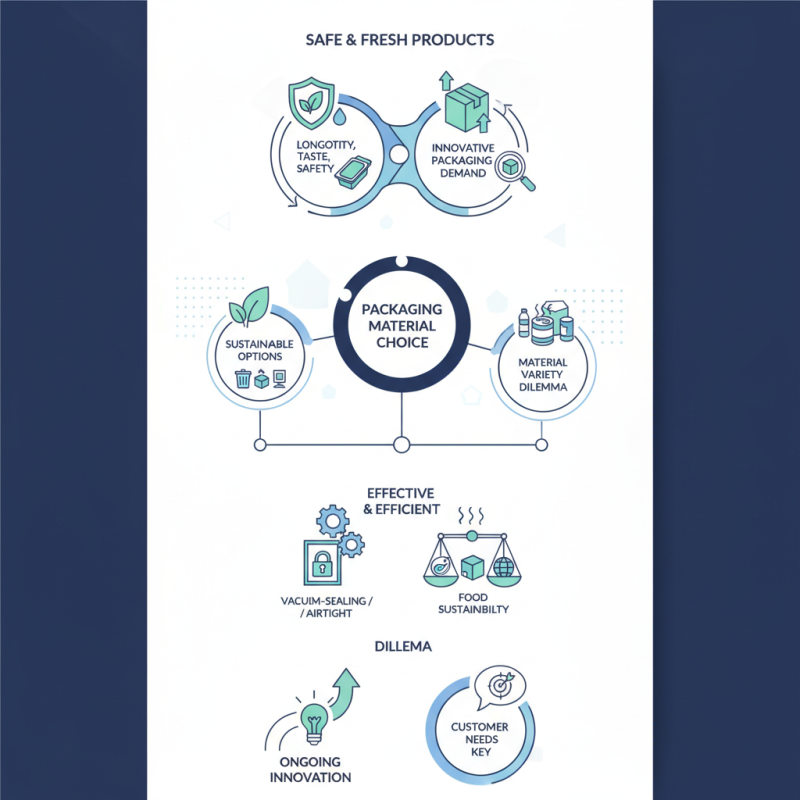
Food packaging solutions play a vital role in ensuring that products remain safe and fresh. The way food is packaged affects its longevity, taste, and safety. In recent years, the demand for innovative packaging has grown significantly. Consumers are more aware of how packaging impacts not just freshness but also health.
Choosing the right packaging material is crucial. It can be a challenge to balance convenience with environmental concerns. Many companies now seek sustainable options. They aim to reduce waste without compromising product quality. However, the variety of materials available can overwhelm decision-makers.
Food packaging solutions must be effective and efficient. Many products need vacuum-sealing or airtight containers to maintain freshness. While some solutions excel in keeping food safe, they might lack sustainability. This presents a dilemma that businesses must navigate. Developing better food packaging solutions requires ongoing innovation and reflection. Understanding customer needs is key to making effective choices.
What is Food Packaging and Its Importance for Safety and Freshness?
Food packaging plays a crucial role in ensuring the safety and freshness of products. Effective packaging protects food from contamination and spoilage. It acts as a barrier against moisture, air, and harmful microorganisms. For instance, vacuum-sealed packaging removes air, extending shelf life. This keeps fruits, vegetables, and meats fresher for longer periods.
Moreover, food packaging must be designed with functionality in mind. Easy-to-open packages improve the consumer experience. They allow users to access food quickly and without hassle. However, some packaging can be wasteful. Overly complex designs result in unnecessary material use. This raises questions about sustainability.
While advancements in packaging technology are impressive, challenges remain. Not all materials are eco-friendly. Issues with recycling and waste management linger. It's important to reflect on how packaging choices impact our environment. Striking a balance between safety, freshness, and sustainability is essential. Thoughtful decisions in food packaging can lead to better outcomes for consumers and the planet.
Food Packaging Solutions for Safe and Fresh Products
| Packaging Type |
Material |
Freshness Duration |
Safety Features |
Eco-Friendly Option |
| Flexible Packaging |
Plastic (PET, PE) |
Up to 6 months |
Moisture barrier, UV protection |
Yes |
| Vacuum Packaging |
Nylon, Polyethylene |
1 to 2 years |
Oxygen removal, spoilage prevention |
No |
| Modified Atmosphere Packaging (MAP) |
Barrier films |
3 to 12 months |
Modified gas composition |
Yes |
| Canned Packaging |
Metal (tinplate) |
2 to 5 years |
Sealed vacuum, heat treatment |
No |
| Glass Jar Packaging |
Glass |
1 to 2 years |
Oxygen barrier, non-reactive |
Yes |
Key Materials Used in Food Packaging: Types and Their Applications
Food packaging plays a crucial role in preserving
food quality and safety. Various materials are used in this domain, each with distinct functions.
Plastic,
glass, and
metal are the most common materials. They protect food
from contaminants. Each material has its pros and cons. Plastic is lightweight and flexible.
Glass is reusable and non-reactive. Metal offers excellent barrier protection but can be heavier.
Tips: Choose the right material based on your
needs. For example, glass may be ideal for sauces. Plastic wraps are good for fresh fruits.
Consider the environmental impact of your choices as well.
In addition to these materials, biodegradable options are gaining popularity.
These help reduce landfill waste. However, they might not always provide the same freshness
as traditional materials. Standard plastic can prevent spoilage, but it generates waste. The
challenge lies in balancing freshness and sustainability.
Food packaging must evolve to meet both consumer needs and environmental responsibilities.
Industry Standards and Regulations for Safe Food Packaging Solutions
Food packaging plays a vital role in ensuring the safety and freshness of products. Various industry standards and regulations exist to guarantee this. For example, materials used in packaging must be non-toxic. They should not react with the food they contain. This prevents contamination. Regulations often focus on preventing hazardous chemicals from leaching into the food. Yet, there are instances where compliance is lacking. Some manufacturers may cut corners, leading to safety concerns.
Another critical aspect is the labeling of food packages. Clear labeling helps consumers make informed choices. The regulations require accurate information about ingredients and potential allergens. Misleading labels can have severe consequences, including health risks. Despite regulations, some products still have vague descriptions. This shows the need for continual improvement and stricter enforcement.
Freshness is also a priority in food packaging solutions. Techniques such as vacuum sealing and modified atmosphere packaging are common. These methods extend shelf life and help maintain quality. However, not all brands utilize these methods effectively. Consumers may still encounter stale or spoiled products. This highlights gaps in the system that need attention and better practices throughout the industry.
Innovative Technologies in Food Packaging to Enhance Freshness
Innovative technologies in food packaging play a crucial role in keeping products safe and fresh. Advanced materials, such as biodegradable plastics and smart packaging, enhance the shelf life of food items. These innovations help maintain quality by regulating humidity and temperature. For example, vacuum packaging removes air from the container, thus slowing down spoilage.
Tips: Always inspect packaging before purchase. Look for any signs of damage or leaks, as they can compromise food safety.
Active packaging systems incorporate substances that can absorb gases or moisture. This technology significantly reduces spoilage and preserves flavors. Food producers are increasingly adopting these methods. However, there can be challenges, such as higher production costs. This can raise concerns for small businesses striving to compete.
Tips: Educate consumers on the importance of these advanced packaging techniques. Awareness can boost sales and create a demand for fresher products.
Market Trends and Consumer Preferences in Food Packaging Solutions
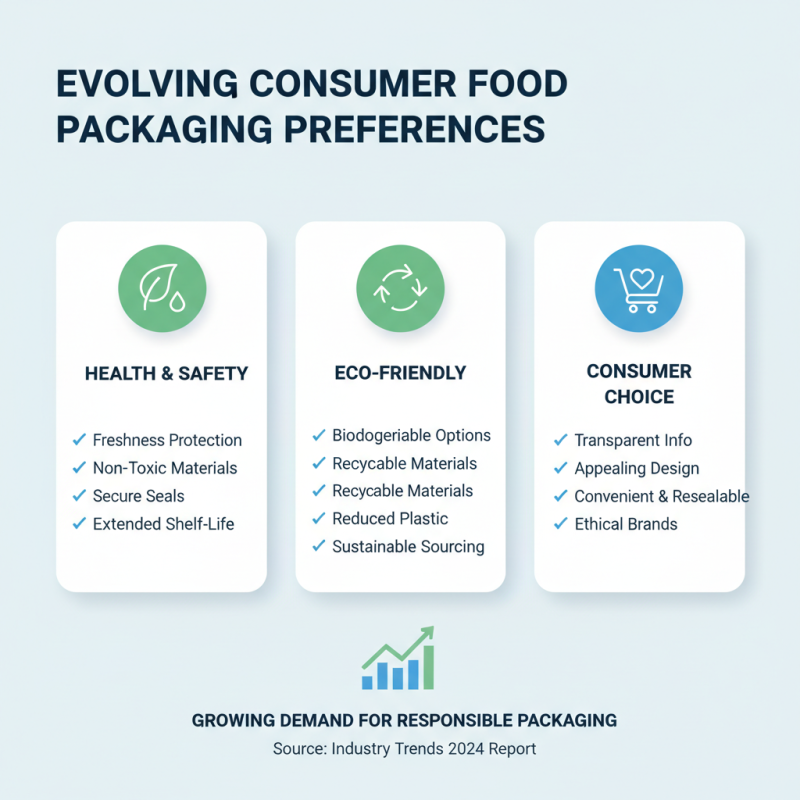
As consumers become more health-conscious, their preferences for food packaging solutions are evolving. Many now seek materials that ensure freshness without compromising safety. Eco-friendly packaging has gained popularity, reflecting a growing awareness of environmental issues. Biodegradable options and recyclable materials attract consumers who are increasingly concerned about waste.
However, not all packaging fulfills these ideals effectively. Some materials might offer great protection but are not biodegradable. This contradiction can frustrate consumers. They desire sustainability but also need packaging that keeps food safe. The quest for the perfect solution continues. Transparency in packaging materials is also crucial. Consumers want to know what they are buying and how it affects their health and the planet.
Additionally, the convenience of packaging plays a significant role. Easy-to-open and resealable packages are in demand. These features enhance user experience. Yet, some packaging is overly complicated or hard to recycle. This inconsistency leaves consumers puzzled. They advocate for a balance between practicality and environmental responsibility. As preferences shift, the food packaging industry must adapt continually.

 Skip to content