2026 How to Choose the Best Plastic Box for Your Needs?
Choosing the right Plastic box can be daunting. With countless options available, it's easy to feel overwhelmed. Plastic boxes serve various needs, from storage to organization. Understanding your requirements is essential before making a decision.
When selecting a plastic box, consider its size, durability, and design. Different projects demand different specifications. A sturdy box works well for heavy items, while a smaller, stackable one suits light materials. Reflecting on past experiences can guide your choice; not every box will meet your expectations.
Quality matters. Look for boxes that offer reliable seals if moisture control is vital. Flexibility is also important. Some boxes can be customized, allowing you to adapt them to specific uses. Remember, the best plastic box for you may not be perfect. Evaluate your choices critically to find a fitting solution for your needs.
Understanding Your Storage Needs for Plastic Boxes
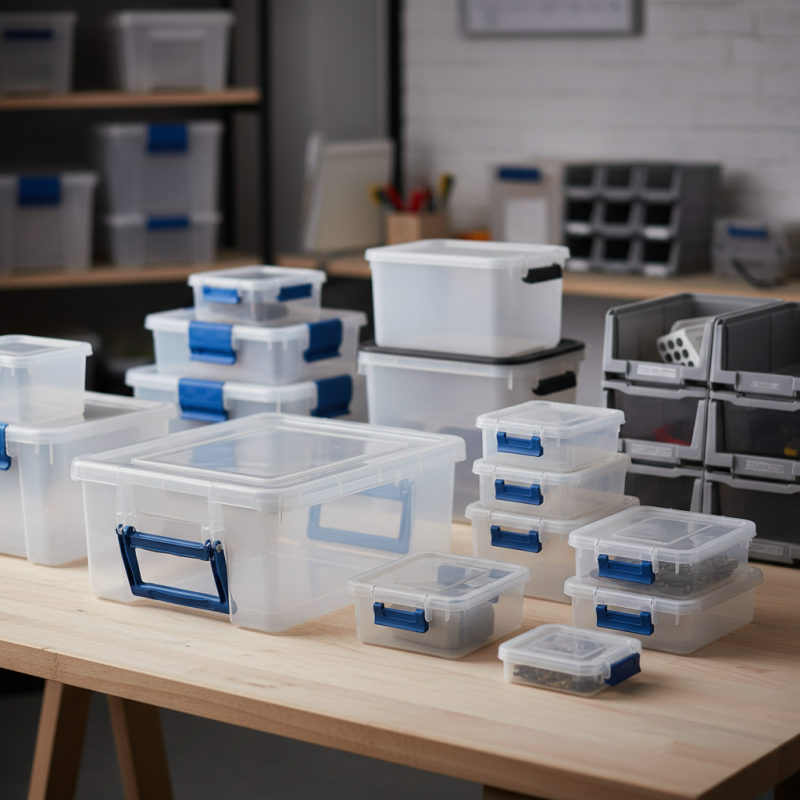
When considering plastic boxes for storage, it’s crucial to understand your unique needs. Assess what items you plan to store. Are they small, like craft supplies, or larger, such as clothing? Different shapes and sizes of boxes cater to various purposes. For instance, stackable boxes save space, while clear containers allow easy visibility of contents.
Think about the environment where you will use these boxes. Will they be in a damp basement or a sunny garage? Certain plastics hold up better under specific conditions. Choosing the wrong type can lead to damage over time.
Reflect on how often you need access to your items. Frequent use calls for easy-to-open designs. If the boxes are only for long-term storage, durability matters more. Balancing these factors can be challenging, leading to mistakes in initial choices. Take your time, draw on past experiences, and don’t hesitate to adjust your selections.
2026 How to Choose the Best Plastic Box for Your Needs?
| Category | Size (L x W x H in cm) | Material | Weight Capacity (kg) | Features |
| Storage | 30 x 20 x 15 | Polypropylene | 5 | Stackable, Transparent |
| Organizing | 25 x 25 x 10 | Polyethylene | 3 | Lid Included, Waterproof |
| Transport | 40 x 30 x 20 | ABS Plastic | 10 | Wheels, Handle |
| Food Storage | 20 x 20 x 10 | BPA-free Plastic | 2 | Stackable, Dishwasher Safe |
Types of Plastic Boxes and Their Uses
When choosing a plastic box, it’s crucial to understand the different types available. Clear storage bins are ideal for visibility. You can easily identify the contents without having to open them. These boxes often come in various sizes, making them versatile for different needs.
Bin organizers are another popular option. They help keep smaller items sorted. These can be perfect for craft supplies or small tools. Some users find their rigid structure helpful for stacking. However, if not labeled properly, they could lead to chaos.
Food storage containers made from BPA-free plastic are essential for kitchen use. They ensure your food stays fresh and safe. However, some plastics can absorb odors or stains over time. This can be a drawback if you store vibrant spices or sauces. Consider the longevity and purpose when selecting your box, as it impacts your organization system.
Key Features to Consider When Choosing Plastic Boxes
Choosing the right plastic box involves understanding key features. The material is crucial. Polypropylene and polyethylene are common choices. They offer durability and resistance to chemicals.
Storage capacity is another key factor. Depending on your needs, you may prefer a compact size or a larger, more spacious design. Industry reports show that 75% of users prioritize size for optimal organization. It’s essential to consider how the box will be used. Clear boxes provide visibility, while opaque ones offer privacy for stored items.
Tips: Always check the weight capacity of the box. Some users overlook this detail, resulting in damage. Additionally, look for ergonomically designed handles. They make transportation easier and reduce strain.
Lastly, consider the box's stackability. This feature saves space and enhances organization. Research indicates that stackable designs reduce clutter by up to 40%. Reflect on how each feature meets your specific needs. Sometimes, a perfect box may not exist, and that’s okay. Adaptability is key.
Evaluating Size and Capacity for Your Requirements
When choosing a plastic box, size and capacity are crucial factors. Assess your items first. Are they small and numerous, like craft supplies? Or larger, like sports equipment? Knowing your needs helps narrow down options. A box that is too small can lead to clutter, while one too large may waste space.
Consider the dimensions carefully. Measure your storage area. The height, width, and depth are essential. A box that fits under a bed should have lower height yet ample width. If you plan to stack, ensure that the boxes are sturdy. Choosing the right size makes organization easier.
Reflect on changing needs. Will you require more space later? Opt for expandable options when possible. It’s also wise to consider weight. Heavy items in flimsy boxes can cause accidents. Regularly review your storage solutions. Flexibility in size can save time and energy in the long run.
Sustainability and Safety Factors in Plastic Box Selection
When selecting a plastic box, consider sustainability and safety as vital factors. Many plastic materials are not biodegradable. They linger in nature for hundreds of years. This reality demands careful choices. Look for boxes made from recycled materials. These options reduce waste and promote a circular economy. Check if the supplier offers transparency about their sourcing and production practices.
Safety is another crucial aspect. Some plastics can leach harmful chemicals. Opt for BPA-free materials to avoid health risks. If food storage is your goal, ensure the plastic meets safety standards for food contact. Research certifications and labels that indicate safe usage. However, not all manufacturers are forthright. Always question the claims made about safety.
It is essential to reflect on the longevity of your choice. A durable plastic box may cost more upfront but save money over time. This reflects on both your wallet and the environment. Evaluate how the plastic can be reused or recycled. It is okay to take time in choosing the right product. Be mindful of how your decisions impact both your needs and the planet.
 Skip to content