China Top 10 Fake Bogg Bag Alternatives for Global Buyers
For global buyers, the phrase “Fake Bogg Bag” can create confusion. Some products imitate the roomy shape, perforated sides, and bright colors of popular utility totes. Others are simply unbranded alternatives with similar everyday functions. This distinction matters. A responsible buyer should examine materials, construction, supplier transparency, and brand representation before placing an order.
Lena Ortiz, an independent bag-sourcing consultant with experience in wholesale accessories, explains: “A lower price matters only when the material, stitching, and supplier claims remain trustworthy.” Her point is practical. A sample should feel stable in the hand, stand upright on a table, and show even seams around the handles. Product photos are not enough. Ask for close-up images, material specifications, packaging details, and production samples. Keep records.
This guide introduces China’s top ten Fake Bogg Bag alternatives for global buyers. The selection focuses on functional design, customizable features, manufacturing consistency, and clearer sourcing communication. It does not promote counterfeit branding or misleading logos. Instead, it examines lawful, unbranded, and private-label options that may suit beach retailers, family stores, outdoor suppliers, and promotional buyers.
The category is not perfectly defined. That deserves reflection. A low-cost tote may look convincing online yet disappoint after one busy weekend. Capacity claims can also be optimistic. Buyers should compare dimensions, load performance, odor, drainage, and color consistency. Small details reveal large differences. Careful verification remains more valuable than a dramatic discount.
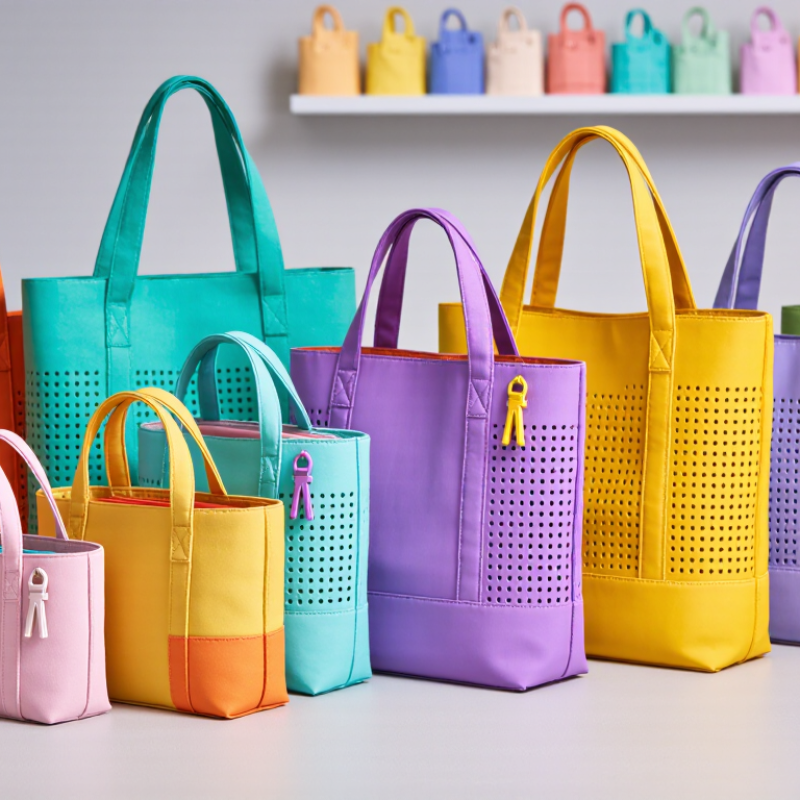
What Makes a Bogg Bag Alternative Suitable for Global Buyers
A suitable bag alternative for global buyers must offer more than a familiar shape. It should combine reliable materials, practical capacity, and consistent production quality. Buyers should check the tote’s dimensions, handle strength, drainage holes, and surface finish. A sturdy, lightweight polymer can support groceries, beach items, or market supplies without becoming uncomfortable. Rounded edges matter when children are nearby. The bag should also stand upright on a car floor.
Global suitability depends on more than product design. Suppliers should provide clear material details, accurate measurements, packaging information, and inspection records. Color consistency is important, especially for repeat orders. A buyer may receive a sample with a smooth finish, then notice rough edges in bulk production. That gap deserves attention. I would request several samples from different batches before placing a large order. It costs more time, but prevents avoidable disputes. Compliance documents should match the destination market and current import requirements.
Tips: Test the handles with a realistic load. Check stitching, if fabric parts are included. Review odor, flexibility, and cleaning performance. Ask whether replacement parts are available. Do not rely on photos alone. Small imperfections can reveal weak quality control. Also, avoid products using unauthorized logos or copied packaging; a clean, unbranded design is safer for international trade.
Key Features to Compare in Fake Bogg Bag Alternatives
When comparing non-branded alternatives to the popular structured utility tote, focus on function rather than appearance alone. Grand View Research valued the global bags market at over USD 70 billion in 2023, showing strong demand for practical carry products. However, market size does not guarantee quality. Check the tote’s base thickness, handle stitching, fabric density, and maximum load rating. A reinforced bottom should remain stable when carrying groceries, towels, or children’s supplies. Soft, rounded handles also reduce pressure during longer use.
Material choice matters. Recycled polyester may lower virgin-plastic use, while coated fabric improves water resistance. The Textile Exchange 2024 Materials Market Report noted that recycled polyester represented about 14% of global polyester production in 2023. Still, recycled content alone is not proof of durability. Inspect the seams closely. Loose threads often appear around handle joins. I have found that a neat exterior can hide weak internal stitching, so supplier samples deserve repeated testing. One sample is not enough.
Tips: Ask for laboratory test results, material composition, dimensions, and load testing records. Compare handle drop length, pocket placement, closure strength, and cleaning instructions. Request photos of the underside and interior seams. Do not select the lowest quotation automatically. A slightly higher cost may provide stronger stitching and fewer replacements. That assumption can fail, though. Verify every claim through documents, sample checks, and consistent production inspections. Choose designs without protected logos or misleading marks, and confirm that packaging and product descriptions match the actual item.
China’s Top 10 Bogg Bag Alternative Options by Design and Use
China’s top ten Bogg bag alternative options vary by design, material, and intended use. Buyers can choose ventilated baskets, reinforced totes, or compact carryalls for different routines. Open-hole designs suit beach trips, pool visits, and gardening. Solid panels offer better protection for groceries, tools, and children’s supplies. Some options include removable liners, while others use washable molded plastic.
During supplier evaluations, I check handle strength, drainage holes, edge finishing, and load performance. A wide base improves stability on wet floors. Reinforced handles matter when carrying bottles or sports equipment. Many factories offer custom colors, logo placement, and packaging. However, color samples may differ slightly from mass production. That detail deserves written confirmation.
Tips: Request material specifications, factory inspection records, and product samples before ordering. Test the bag with its expected weight, not an idealized load. Confirm dimensions after assembly, because molded products can vary. Ask about odor, recycling information, and regional packaging requirements. A lower price can hide thinner walls or weaker handles. Measure carefully. Small errors become expensive at scale.
How to Evaluate Quality, Safety, and Supplier Reliability
For global buyers, selecting a lawful alternative requires more than comparing product photos.
Quality begins with material consistency, reinforced seams, accurate dimensions, and handles that withstand repeated loading.
Ask for a pre-production sample before placing a large order.
Small details matter.
Check stitching density, edge finishing, odor, color transfer, and surface cracking after bending.
Safety evidence should be specific, current, and traceable. Request material declarations, test reports, and records showing compliance with the destination market’s requirements.
Independent laboratory testing is more convincing than an unverified supplier certificate.
Examine packaging, warning labels, and storage instructions too.
A product may look excellent while its coatings or dyes create avoidable concerns.
Supplier reliability needs practical verification.
Confirm the factory’s legal registration, production capacity, quality-control process, and export history.
A video call can reveal useful details, but it cannot replace an inspection.
Use written specifications, approved samples, and clear defect tolerances in the purchase agreement.
Payment terms should protect both sides, with staged payments linked to inspection results.
I have seen buyers focus too heavily on price and overlook replacement policies.
That mistake becomes expensive when colors vary across batches.
Supplier ratings also deserve caution; some reviews lack meaningful evidence.
A modest order, independent inspection, and complete documentation provide stronger confidence than attractive promises.
Buying Considerations for International Orders and Custom Branding
China Top 10 Fake Bogg Bag Alternatives for Global Buyers
International buyers should treat molded EVA carryall alternatives as a product development project, not a simple price comparison. Ask suppliers for material specifications, production photos, and recent sample records. Check the bag’s measured length, wall thickness, handle strength, drainage holes, and surface odor. A sample may look excellent but fail after repeated loading. Test it with wet towels, children’s items, or daily groceries. Details matter. Request a basic load test and a carton drop test before placing a large order.
Custom branding needs early planning. Confirm whether the logo will be molded, printed, embossed, or applied with a label. Each method changes the minimum order, unit cost, and lead time. Send vector artwork with exact colors and placement dimensions. Approve a physical sample, not only a digital image. Color can shift under factory lighting. Packaging also requires attention, especially barcode placement, carton dimensions, warning language, and destination-market labeling rules. Ask for an itemized quotation showing tooling, sampling, packaging, inspection, freight terms, and payment stages.
For international orders, confirm the product classification with a qualified customs professional. Duties and local taxes can change the real landed cost. Use a written specification sheet and keep approved samples for comparison. Independent inspection is useful before shipment, although it cannot replace supplier communication. I have seen attractive samples hide weak handles and uneven edges. That risk is easy to underestimate. Buyers should also check design rights and avoid copied logos or confusingly similar branding. A lower price is not always better value.
 Skip to content