Top 10 Large Stained Glass Panels You Should Know About?
Large stained glass panels have long fascinated art lovers and historians alike. These creations blend artistry and craftsmanship, transforming light into a mesmerizing spectacle. Renowned expert Dr. Emily Carter states, “Large Stained Glass Panels are not just decorative; they tell stories and evoke emotions.” Her insights reflect the profound impact these panels have on both architectural beauty and cultural heritage.
Examining the top ten large stained glass panels reveals a diverse array of styles and histories. From grand cathedrals to modern installations, these panels capture significant narratives. Each piece serves as a window into a specific time, location, and artistic vision. The craftsmanship involved in creating these works is immense, requiring careful selection of glass and meticulous design.
Understanding large stained glass panels leads to deeper appreciation. They invite viewers to contemplate not only the art but also the skill behind it. However, some may overlook their stories, focusing solely on aesthetics. Reflecting on this, we can acknowledge the duality of perception. These panels deserve recognition for their historical and emotional significance, inviting us to explore further.
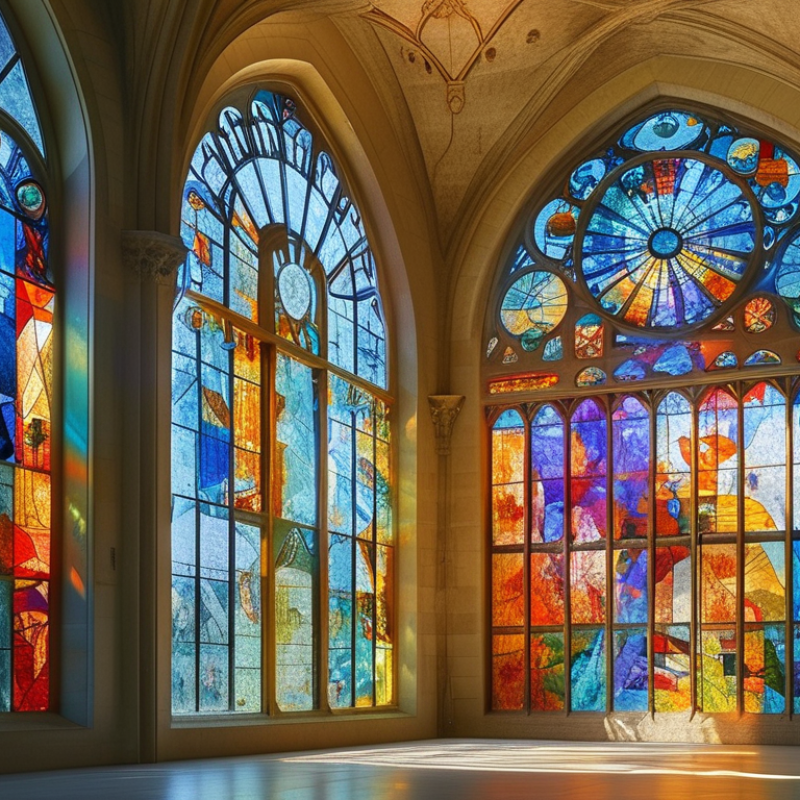
Significance of Stained Glass Panels in Art History
Stained glass panels hold a special place in art history. They have captivated audiences for centuries. These colorful artworks tell stories, often depicting religious themes. Their luminous beauty transforms light into vibrant colors. Churches and cathedrals often showcase the grandest designs. Each piece serves as both decoration and narrative.
The craft of stained glass dates back to ancient times. Artisans meticulously cut glass and assembled pieces with lead. This meticulous process requires patience and skill. Some panels show the passage of time, revealing changes in styles and techniques. Yet, not every panel is a masterpiece; some lack harmony and coherence. The imperfections can prompt reflection on the artist’s journey.
Today, stained glass continues to evolve. Artists experiment with materials and modern themes. The significance of these panels extends beyond aesthetics. They link the past with contemporary experiences. Each panel's presence invites viewers to contemplate art's role in society. Stained glass remains a dynamic medium, rich in history and potential.
Criteria for Selecting Notable Large Stained Glass Panels
When selecting notable large stained glass panels, several criteria come into play. The craftsmanship is crucial, as it speaks to the skills of the artist. Look for intricate detailing and quality materials. A well-crafted panel can transform a space while showcasing the artist's technical abilities.
Historical significance is another key factor. Panels with a rich backstory often carry more emotional weight. They connect viewers to specific events or cultural movements. Consider the narrative behind each piece. This adds depth and meaning beyond aesthetics. Emotional resonance is often tied to how well a piece tells its story.
Finally, consider the design and color palette. Vibrant colors can enhance a room's ambiance, while a cohesive design ensures harmony. However, not every large panel achieves this balance perfectly. Some may utilize too many contrasting colors or patterns. Reflecting on a panel's composition can reveal how it fits within a broader artistic context.
Top Examples of Iconic Large Stained Glass Panels Worldwide
Stained glass panels have fascinated many across centuries. They tell stories through vibrant colors and intricate designs. Some of the largest and most iconic panels can be found in historic churches and grand buildings around the world. These works of art not only capture light but also reflect the culture and history of their surroundings.
For example, the famous Sainte-Chapelle in Paris houses one of the most stunning collections of stained glass. Its 15 large panels depict biblical scenes, covering about 618 square meters. Such masterpieces represent an essential part of architectural history and artistic expression. According to industry reports, stained glass contributes significantly to cultural tourism. Approximately 20% of visitors to historic sites cite stained glass as a key attraction.
In addition to aesthetic appeal, these panels face challenges. Many are in need of restoration due to age and environmental factors. An estimated 70% of historic stained glass panels require conservation efforts. This situation calls for reflection on our preservation practices. Balancing art, history, and modern environmental conditions remains a complex issue. With careful attention, we can ensure these iconic windows continue to inspire future generations.
Artistic Techniques and Innovations in Large Stained Glass Design
Large stained glass panels are not only stunning art pieces but also showcase a variety of artistic techniques and innovations. Artists today use advanced tools and methods to create intricate designs. Traditional glass painting techniques have evolved significantly. Modern artists incorporate digital technology, allowing for precise patterns and vibrant colors. Some panels now blend glass with metal and wood, creating mixed-media masterpieces that push boundaries.
The process of making these panels is both meticulous and creative. Glass cutting, painting, and assembly require great skill. Each piece of glass must be carefully selected for color and texture. Artists often face challenges in achieving the desired effects. Light plays a crucial role; its interaction with glass can create unexpected results. This unpredictability can lead to innovative solutions and fresh perspectives. Embracing mistakes or flaws can sometimes produce the most fascinating outcomes in design.
Contemporary large stained glass panels reflect social and cultural narratives. Artists are increasingly addressing current issues through their work. The storytelling aspect of stained glass continues to evolve. These panels invite viewers to engage emotionally. They offer a space for reflection and dialogue. In every panel lies a journey of discovery, inviting the audience to appreciate the complexity of both the artwork and the creative process behind it.
Preservation Challenges and Efforts for Large Stained Glass Works
Large stained glass panels are treasures of art and history. However, preserving them poses significant challenges. Over time, factors like UV radiation, temperature fluctuations, and pollution can cause deterioration. According to a report from the National Park Service, about 40% of stained glass windows in historic buildings face serious preservation issues.
The maintenance of these pieces often requires specialized knowledge. Experts recommend regular inspections and cleaning to limit damage. It’s essential to consider the materials used. Modern adhesives and glass types can sometimes clash with older techniques, complicating repairs. A recent study highlighted that nearly 30% of stained glass restorations did not account for the original craftsmanship, leading to unintentional alterations.
Effective preservation efforts need collaboration. They must involve conservators, architects, and local communities. Engaging the public through educational programs can foster appreciation. Yet, funding remains a hurdle. Many projects suffer from budgetary constraints, limiting outreach and restoration capabilities. This reality illustrates the need for ongoing dialogue about the future of these magnificent artworks.

 Skip to content