
 Skip to content
 Choosing the right Matte Lipstick is more complex than comparing color cards. Global buyers must assess texture, packaging, wear time, shade stability, and supplier reliability. A soft beige may suit one market, while a deep berry may perform better elsewhere. Climate also matters. Humid storage can affect creaminess, while cold transport may change application.
This guide examines ten practical types of Matte Lipstick, including liquid, bullet, crayon, powder, mousse, long-wear, transfer-resistant, nourishing, vegan, and customizable formulas. Each type offers different advantages for retailers, beauty brands, and importers. Product developers should review ingredient lists, batch records, stability data, safety testing, and packaging compatibility before placing large orders. Supplier audits and sample testing can reveal issues that brochures rarely show.
Small details matter.
A precise applicator may reduce product waste. A comfortable formula may encourage repeat purchases. However, “long-lasting” claims need clear testing methods and suitable evidence. They should not rely on attractive marketing alone. Regional cosmetic requirements, labeling rules, language standards, and restricted ingredients must also be checked before distribution. Requirements vary by destination, and assumptions can create avoidable delays.
No single formula fits every buyer. That point is easy to overlook. Some customers prefer a dry, highly opaque finish, while others need flexible comfort for daily wear. This introduction provides a practical framework for comparing performance, appearance, cost, and compliance. It also recognizes an imperfect reality: laboratory results may not fully predict customer experience. Careful sampling, documented communication, and honest supplier evaluation remain essential for confident global purchasing.
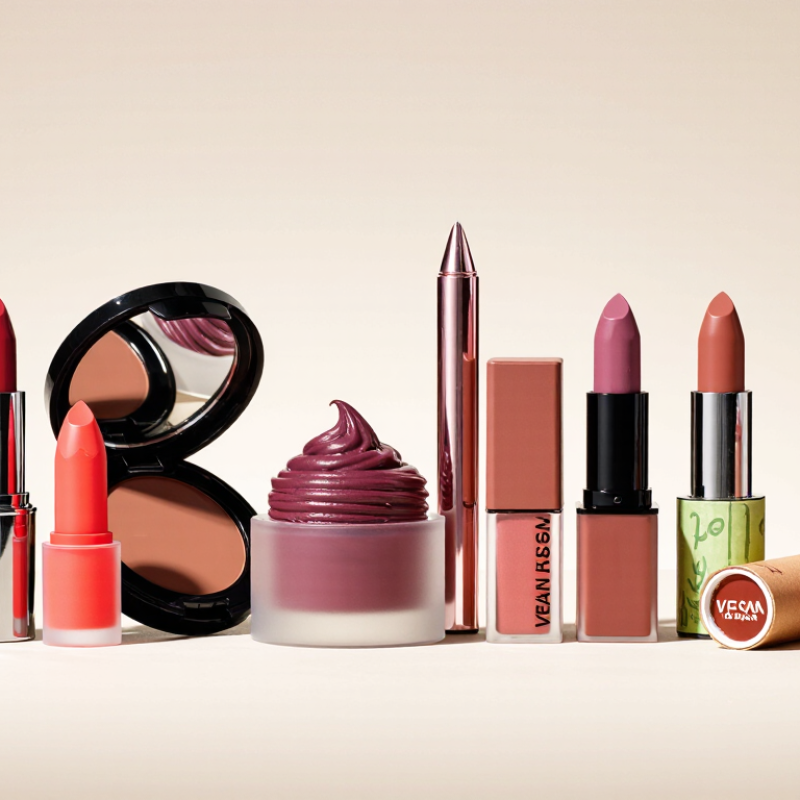
Top 10 Types of Matte Lipstick for Global Buyers
Matte lipstick is a lip color formulated to leave little or no visible shine. Its finish comes from balancing pigments, waxes, oils, and powder-like materials. Unlike glossy formulas, it reflects less light on the lips. This creates a flatter, more defined appearance. The result can look elegant, but it is not always comfortable.
Texture varies widely. Some matte lipsticks feel creamy during application, then set after several minutes. Others feel dry immediately and provide stronger transfer resistance. Powder-matte formulas often look soft and blurred. Liquid matte formulas may create sharper edges, but they can emphasize flakes. A comfortable product usually spreads evenly without dragging. Still, “comfortable” is subjective. Humidity, lip condition, and personal tolerance can change the experience.
For global buyers, key characteristics include color payoff, wear time, adhesion, removal, and moisture balance. A professional evaluation should check the formula on different skin tones and under varied lighting. Shade appearance can shift between warm and cool environments. Packaging should protect the product from heat and contamination. Ingredient lists, safety assessments, labeling rules, and required testing must match the destination market. These requirements are not identical worldwide. Buyers should request current technical documents rather than relying on attractive claims. A matte finish may photograph beautifully, yet perform poorly on dry lips. That gap deserves honest testing.
| No. | Type of Matte Lipstick | Format | Definition and Texture | Key Characteristics | Typical Coverage | Transfer and Wear Profile | Best Use and Buyer Considerations |
|---|---|---|---|---|---|---|---|
| 1 | Classic Liquid Matte | Liquid, doe-foot applicator | A fluid formula that dries to a low-shine, non-reflective finish. It usually feels wet during application and sets within a short period. | High pigment concentration, quick setting, defined edges, and a smooth matte appearance after drying. | Medium to full | Generally low transfer after setting; wear can be long-lasting, but oil-based foods may break down the film. | Suitable for bold color and extended wear. Buyers should evaluate drying time, removal ease, and comfort claims. |
| 2 | Matte Mousse | Lightweight liquid or whipped cream | An aerated, soft formula with a cushiony texture that spreads easily and leaves a diffused matte finish. | Airy feel, blendable application, soft-focus appearance, and less immediate drag than many dense matte formulas. | Light to medium, buildable | Usually moderate transfer and moderate wear; performance depends strongly on the film-forming ingredients. | A practical option for comfortable daily makeup and gradient lips. Check whether the formula settles into lip lines. |
| 3 | Velvet Matte | Liquid, cream, or bullet | A matte finish with a soft, velvety surface rather than an extremely dry or powdery look. | Balanced slip, soft-focus effect, comfortable spreadability, and a muted finish with minimal shine. | Medium to full | Moderate transfer is common; wear is typically comfortable and even, with gradual fading. | Well suited to buyers seeking a premium tactile experience and a less severe matte effect. |
| 4 | Matte Bullet Lipstick | Traditional solid stick | A wax-and-oil-based solid lipstick designed to deposit color directly from a shaped bullet, with a low-shine finish. | Portable packaging, precise angled application, easy layering, and a familiar application method. | Medium to full | Usually more transferable than a fully set liquid formula; wear varies from medium to long-lasting. | A versatile mass-market format. Packaging durability, bullet stability, and heat resistance are important for global shipping. |
| 5 | Cream Matte | Cream or satin-matte bullet | A creamy formula that applies with noticeable glide and settles into a matte or satin-matte finish without a glossy surface. | Comfortable feel, flexible film, easy reapplication, and a smoother appearance on dry lips than very dry formulas. | Medium, buildable | Moderate transfer and medium wear are typical, especially after meals or frequent drinking. | Good for everyday use and dry-climate markets. Buyers should compare emollient content with desired wear time. |
| 6 | Matte Lip Stain | Thin liquid tint | A lightweight color product that leaves pigments on or within the upper lip surface, often producing a natural-looking matte tint. | Sheer texture, lightweight feel, stain-like residual color, and flexible intensity through layering. | Sheer to medium | Often lower transfer after drying, while the remaining tint may last longer than the surface film. | Useful for natural makeup, warm climates, and consumers who dislike heavy lip products. Applicator precision is important. |
| 7 | Powder Matte Lipstick | Pressed powder or powder-to-cream | A powder-rich formula that creates a dry, blurred, low-reflectance effect, sometimes transforming into a cream during application. | Soft-focus finish, lightweight deposit, strong oil absorption, and a visibly powdery or diffused surface. | Sheer to medium, buildable | Usually moderate transfer; may fade faster on the inner lip or appear patchy if applied over very dry skin. | Best for blurred lip effects and editorial looks. Buyers should consider compact durability and powder fallout. |
| 8 | Soft-Matte Lipstick | Cream, liquid, or balm-like | A reduced-shine formula that retains some flexibility and comfort instead of creating an entirely flat, dry appearance. | Natural-looking finish, moderate slip, smoother feel, and better tolerance for repeated application. | Light to medium, buildable | Moderate to high transfer is possible; wear is generally shorter than highly film-forming liquid mattes. | Suitable for comfort-focused product lines and mature or dry-lip users. Finish terminology should be clearly defined in specifications. |
| 9 | Long-Wear Matte | Liquid, cream, or solid | A matte lipstick engineered to maintain color for an extended period through film-forming, pigment-dispersing, or adhesion-supporting ingredients. | High adhesion, strong color retention, low to moderate transfer after setting, and increased resistance to routine drinking. | Medium to full | Typically low transfer once dry; oil, friction, and moisture can still reduce wear or cause uneven fading. | Appropriate for professional, event, and humid-weather applications. Comfort, removal method, and regulatory testing should be reviewed. |
| 10 | Blurred or Powder-Effect Matte | Liquid, cream, powder, or cushion | A matte style designed to soften the appearance of the lip edges and create a diffused, out-of-focus color effect. | Low shine, feathered edges, lightweight layering, and a soft-focus appearance rather than a sharply outlined lip. | Sheer to medium | Usually moderate transfer and medium wear; the intentionally diffused finish can make fading appear less noticeable. | Popular for casual and trend-led makeup looks. Buyers should assess blending time, color buildability, and applicator control. |
Note: Matte performance depends on the complete formula, pigment load, application thickness, lip condition, food and drink exposure, and climate. “Matte” generally refers to a low-reflectance finish with little or no visible gloss.