7 Best Polyester Sleepwear Suppliers Worldwide
Choosing reliable polyester sleepwear suppliers requires more than comparing catalog photos and quoted prices. In practice, fabric performance becomes clear only after handling samples. A smooth set may feel comfortable at first, yet trap heat during a humid night. Stitching, seam strength, colorfastness, and washing performance deserve equal attention. This guide introduces seven leading suppliers worldwide for businesses seeking dependable Polyetser Sleep Wear production and sourcing support.
The selection focuses on practical factors, including material consistency, manufacturing experience, minimum order quantities, customization options, certifications, and delivery reliability. Suppliers with clear communication often prevent costly mistakes, especially when checking size charts, fabric weight, packaging, and printed labels. A strong factory should explain its polyester blends honestly. It should also provide realistic sampling timelines and transparent production terms. Small details matter.
No supplier is perfect.
A low price may hide weaker quality control or limited after-sales support. A famous manufacturer may also require order volumes beyond a new retailer’s budget. Therefore, buyers should request current samples, verify business credentials, and test garments before placing large orders. Customer reviews can help, but they should not replace direct evaluation. The most suitable partner depends on your market, product positioning, and expected order frequency. This overview offers a practical starting point, while careful verification remains essential.
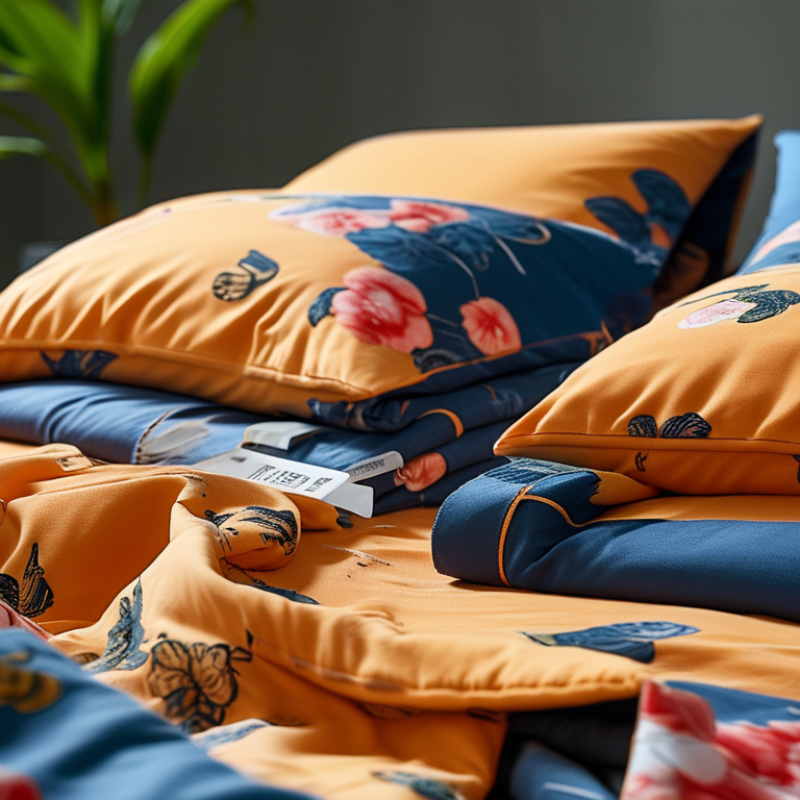
Polyester Sleepwear: Materials, Uses, and Key Product Features
Polyester sleepwear is valued for durability, quick drying, and stable color retention. Its smooth surface can feel cool against the skin. However, comfort depends on the weave, yarn quality, and finishing process. Lightweight polyester suits warm bedrooms and travel. Brushed polyester offers more warmth during colder nights. Stretch blends can improve movement, especially in fitted pajamas or lounge sets.
In practical product checks, I examine fabric recovery, seam strength, zipper movement, and color performance after washing. Moisture-wicking finishes may improve comfort, but they should not be treated as automatic proof of breathability. A dense fabric can still feel warm or clammy. Product measurements also matter. Loose cuts support airflow, while tight cuffs may irritate sleepers. Supplier records should include fiber content, care instructions, test results, and consistent sizing data. Customer feedback remains useful, though it can be incomplete.
Tips: Request fabric swatches before placing large orders. Rub the surface lightly and inspect pilling. Wash a sample several times. Check shrinkage, odor, fading, and seam twisting. A soft first impression can mislead. I would also compare performance across colors, because darker dyes sometimes behave differently. Suppliers that answer technical questions clearly are usually easier to evaluate, but clear communication alone cannot replace physical testing.
How to Evaluate Global Polyester Sleepwear Suppliers
Choosing among the 7 best polyester sleepwear suppliers worldwide requires more than comparing prices. Evaluate fabric quality through physical samples, not catalog images. Check softness, breathability, stretch recovery, and pilling after repeated washing. A practical test includes three wash cycles and close inspection of seams, waistbands, and printed areas.
Ask suppliers for fabric composition reports, colorfastness results, and relevant safety certifications. Reliable suppliers should explain their testing methods clearly. They should also provide production photos, factory details, minimum order quantities, and realistic lead times. Traceability matters when recycled polyester is advertised. Request supporting documents instead of accepting vague claims. Communication is another useful signal. Slow replies may create problems during fitting or shipment changes.
Tips: Compare identical specifications across suppliers. Record sample measurements. Confirm shrinkage limits in writing. Review packaging and labeling requirements for each market. A small pilot order can reveal packing errors, uneven sizing, or weak stitching before larger production. Still, evaluation is not perfectly predictable. A supplier may perform well on samples but struggle during peak seasons. I have found that clear inspection points reduce this risk, although they cannot remove it entirely. Consider independent quality checks before final payment, and keep approved samples for future comparison.
Seven Leading Polyester Sleepwear Suppliers Worldwide
Seven leading polyester sleepwear suppliers worldwide should be judged by measurable performance, not attractive catalog photos. Strong suppliers commonly operate in China, India, Vietnam, Turkey, Pakistan, Portugal, and the United States. These manufacturing hubs offer different strengths in fabric development, stitching capacity, customization, and delivery speed. Textile Exchange’s 2024 Materials Market Report recorded polyester at about 57% of global fiber production in 2023, reaching nearly 60 million tonnes. That scale explains its popularity in lightweight robes, pajama sets, and stretch sleep shorts.
The best suppliers provide fabric specifications, test reports, and production samples before accepting large orders. Look for 75D or 100D polyester options, colorfastness results, seam-strength testing, and shrinkage data after washing.
Moisture management matters too. A soft brushed surface can improve comfort, while poor finishing may create heat during sleep. Independent testing against recognized textile safety standards adds credibility.
The Global Organic Textile Standard does not certify conventional polyester, so buyers should avoid confusing it with recycled-polyester verification or general product safety testing.
Seven leading suppliers may also differ sharply in recycled content, packaging, minimum order quantities, and communication quality. Textile Exchange reports that recycled polyester represented a significant share of polyester output, yet most recycled feedstock still came from plastic bottles rather than textile waste.
That detail deserves attention. A lower quotation can hide weaker traceability, uneven sizing, or delayed replenishment.
No supplier wins every test. Requesting a small trial order remains the most practical safeguard.
Supplier Comparison: Products, Prices, Certifications, and Capacity
7 Best Polyester Sleepwear Suppliers Worldwide
A practical supplier comparison should examine products, prices, certifications, and production capacity together. Product quality often varies within the same polyester category. The seven suppliers on a serious shortlist may offer satin sets, microfiber pajamas, fleece sleepwear, robes, or polyester-spandex blends. Check fabric weight, seam strength, colorfastness, and shrinkage before approving samples. A soft handfeel can hide weak stitching.
Indicative wholesale prices usually range from $4 to $14 per set, depending on fabric, design, packaging, and order volume. Lower prices often require higher minimum order quantities. Small-batch suppliers may accept 300 to 800 sets, while larger factories commonly request 1,500 to 5,000 sets. Monthly capacity can range from 20,000 to 200,000 sets. Ask for a production calendar, not only a capacity statement. Numbers can be optimistic.
Certification review needs equal attention. Request valid OEKO-TEX Standard 100, Global Recycled Standard, or ISO documentation when relevant. Confirm the certificate holder, factory address, scope, and expiry date. Social compliance records should also match the actual manufacturing site. I have found paperwork that looked complete but covered another facility. That requires caution. Independent testing of fabric composition, dye safety, and dimensional stability adds useful evidence. Delivery history, sample consistency, and communication speed should influence the ranking, even when the quoted price looks attractive.
7 Best Polyester Sleepwear Suppliers Worldwide - Supplier Comparison: Products, Prices, Certifications, and Capacity
Comparative overview of anonymized polyester sleepwear supplier profiles. Prices are indicative FOB ranges for standard private-label orders and may vary by fabric weight, customization, order quantity, packaging, and destination. | Supplier Profile | Primary Manufacturing Region | Key Polyester Sleepwear Products | Common Fabric Composition | Typical Fabric Weight | Indicative MOQ | Indicative FOB Price | Publicly Used Compliance Standards | Estimated Monthly Capacity | Best Suited For |
| Supplier Profile 01 | East China | Satin pajama sets
Short-sleeve sleepwear
Robes and camisole sets | 100% recycled or virgin polyester satin | 90–130 GSM | 300–500 sets per style and color | US$4.80–8.50 per set | OEKO-TEX® Standard 100 GRS ISO 9001 | 80,000–120,000 sets | Fashion-focused brands requiring satin styling and flexible color development |
| Supplier Profile 02 | South China | Brushed polyester pajama sets
Family sleepwear
Printed lounge sets | Polyester microfiber or polyester-spandex blend | 160–220 GSM | 500–1,000 sets per style | US$5.50–9.80 per set | BSCI OEKO-TEX® Standard 100 ISO 9001 | 100,000–180,000 sets | Retailers seeking coordinated family collections and seasonal prints |
| Supplier Profile 03 | Northern Vietnam | Lightweight sleep shirts
Short pajama sets
Moisture-management loungewear | Polyester-spandex jersey, commonly 92/8 or 95/5 | 120–180 GSM | 500–1,000 sets per style and color | US$4.20–7.60 per set | BSCI WRAP OEKO-TEX® Standard 100 | 60,000–110,000 sets | Performance-oriented sleepwear and brands diversifying Asian sourcing |
| Supplier Profile 04 | Bangladesh | Basic pajama sets
Promotional sleepwear
Large-volume private-label programs | Polyester jersey, interlock, or microfiber | 140–200 GSM | 1,000–2,000 sets per style | US$3.60–6.90 per set | BSCI WRAP SEDEX ISO 9001 | 150,000–300,000 sets | High-volume programs where competitive pricing and production scale are priorities |
| Supplier Profile 05 | Turkey | Premium lounge sets
Modal-polyester blend sleepwear
Robes and elevated nightwear | Polyester-viscose or polyester-modal blend | 150–240 GSM | 300–600 sets per style | US$7.50–13.50 per set | OEKO-TEX® Standard 100 GRS BSCI | 35,000–75,000 sets | European and Middle Eastern brands requiring premium finishing and shorter lead times |
| Supplier Profile 06 | Pakistan | Fleece sleepwear
Thermal pajama sets
Winter robes and lounge separates | Polyester fleece or polyester-cotton blend | 220–320 GSM | 500–1,000 sets per style | US$5.80–10.50 per set | BSCI OEKO-TEX® Standard 100 ISO 9001 | 70,000–140,000 sets | Cold-weather collections, value retail, and heavyweight sleepwear programs |
| Supplier Profile 07 | India | Printed sleepwear
Plus-size pajama sets
Custom-dyed loungewear | Polyester satin, crepe, or polyester-spandex blend | 100–190 GSM | 300–800 sets per style and color | US$4.90–9.20 per set | SEDEX BSCI OEKO-TEX® Standard 100 | 45,000–100,000 sets | Design-led collections requiring print variation, extended sizing, and customization |
Certification availability, production capacity, minimum order quantity, and quoted prices should be verified directly with each supplier before purchase. FOB prices generally exclude duties, freight, testing fees, sampling charges, and custom packaging.
How to Choose the Best Supplier for Your Business Needs
Choosing among the seven best polyester sleepwear suppliers worldwide requires more than comparing quoted prices. Start with fabric performance. Request samples in the exact polyester blend, weight, color, and finish you plan to sell. Check softness, stretch recovery, seam strength, pilling, and colorfastness after several washes. A sample may look excellent under showroom lights, yet feel uncomfortable after one night.
Ask each supplier for clear production details. Confirm minimum order quantities, sample fees, lead times, packaging options, and payment conditions. Reliable suppliers should explain their inspection process and provide recent testing records from qualified laboratories. They should also identify the factory producing your garments, not hide behind vague trading descriptions. Communication matters. Can they answer a measurement question within one business day? Can they correct a grading mistake without blaming your team?
Review capacity before signing a large order. A supplier making 500 trial sets may struggle with 20,000 sets during a seasonal rush. Request references from comparable buyers, audit production areas when possible, and verify fabric batches before cutting. Independent inspections add useful protection. Still, no supplier is perfect. A strong relationship needs written specifications, approval samples, and a practical correction plan. I have seen attractive offers fail because the waistband loosened after washing. That small detail can damage customer trust faster than a higher unit cost.

 Skip to content