...

China Top Candle Boxes Manufacturer for Wholesale?

Choosing a reliable China top candle boxes manufacturer requires more than comparing wholesale prices. Candle boxes protect fragile glass jars, preserve presentation, and influence how customers remember a brand. Experienced buyers usually examine materials, printing quality, production control, and communication before placing large orders.

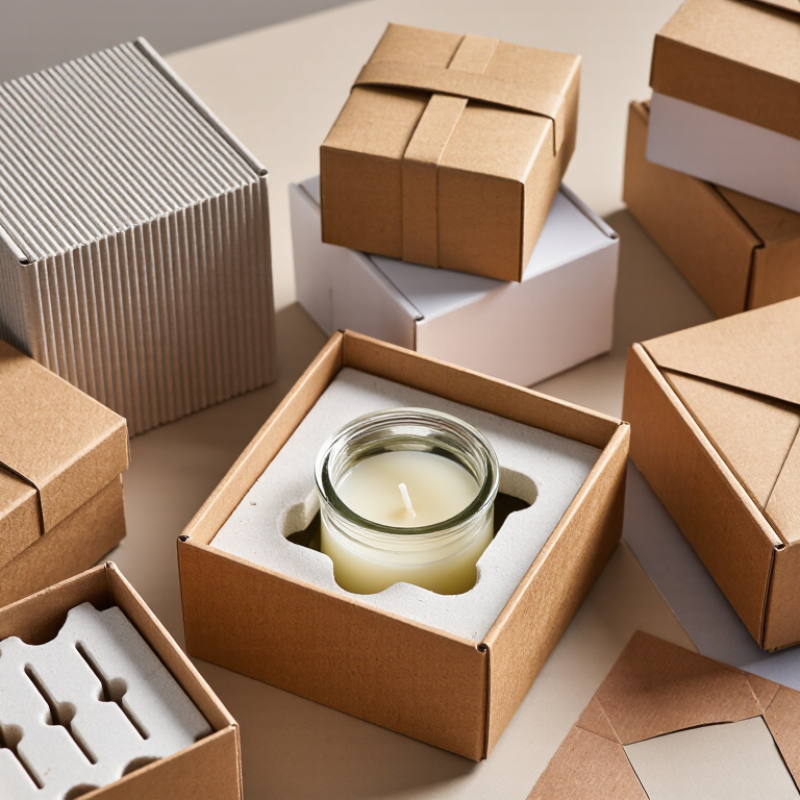
A capable manufacturer should offer practical packaging advice for different candle sizes. For example, a 250-gram jar may need a rigid insert, soft cushioning, and accurate internal measurements. Kraft paper, corrugated board, and rigid paperboard each provide different strengths. Your choice depends on shipping distance, product weight, budget, and desired appearance.

Ask for physical samples before approving mass production. Check whether the lid closes evenly, the logo remains sharp, and the box resists light pressure. Details matter. A small measurement error can create movement inside the package.

Reliable suppliers should explain minimum order quantities, sampling fees, production timelines, and shipping arrangements clearly. They should also provide material information and quality inspection records when available. Certifications can support trust, but buyers should verify their validity rather than accepting unsupported claims.

A factory visit or independent inspection may reveal more than polished catalog photos. That step is sometimes overlooked. It can expose inconsistent color, weak corners, or poor storage conditions.

No manufacturer gets every order perfect. Honest communication about possible delays or adjustments is more valuable than unrealistic promises. The best partnership develops through documented specifications, approved samples, and regular production updates. When selecting a wholesale partner, evaluate consistency, responsiveness, and long-term service—not only the lowest quote for candle boxes.
China Top Candle Boxes Manufacturer for Wholesale?

What Defines a Top Candle Box Manufacturer in China?

A top candle box manufacturer in China is defined by more than a low wholesale price. Real experience appears in practical packaging decisions. The factory should understand wax residue, glass weight, fragrance oils, and heat exposure. It should recommend rigid board, folding cartons, or corrugated protection according to the candle format. Samples should show clean edges, accurate color, smooth inserts, and secure closures. Ask for production photos, material specifications, and a clear sample approval process. Reliable suppliers also explain what may go wrong before mass production begins.

Quality control needs evidence, not attractive promises. A capable manufacturer checks dimensions, printing alignment, glue strength, and drop resistance. It should record inspections and communicate delays honestly. Small details matter. A loose insert can scratch a jar. A weak magnetic closure can damage the presentation. Experienced teams can support custom finishes, but they should also question unnecessary features. More decoration is not always better. I have seen packaging look impressive on screen yet feel fragile in hand. That gap deserves attention.

Tips: Request a physical prototype before ordering wholesale quantities. Confirm carton measurements, inner protection, color standards, and packing methods in writing. Compare several samples under normal store lighting. Ask how rejected units are handled. Choose recyclable materials where practical, but verify their real performance. A dependable partner welcomes revisions, keeps records, and treats consistency as a daily responsibility.
Which Candle Box Materials and Designs Are Available?

Wholesale candle boxes need more than attractive printing. Material choice affects protection, cost, and recycling decisions. Grand View Research valued the global candle market at about USD 12.88 billion in 2022, with projected growth through 2030. That expansion increases demand for packaging that survives transport and shelf handling.

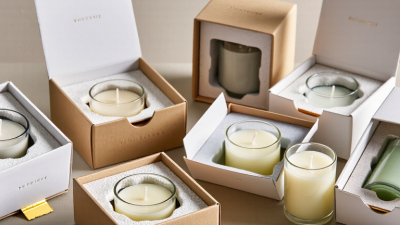
Corrugated cardboard suits larger candles and online orders. Its fluted structure absorbs impact, while kraft paper gives a natural appearance. Folding cartons use less material and support efficient flat shipping. Rigid paperboard boxes create a heavier, premium feel, especially with lift-off lids, inserts, or magnetic closures. However, rigid construction can waste space. That weakness deserves attention.

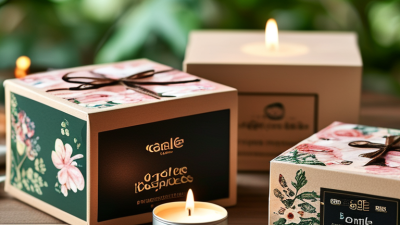
Design details influence buying confidence. A window can display the jar, but plastic film may complicate recycling. A printed illustration, textured coating, or embossed logo can communicate scent and quality without excessive decoration. Smithers’ sustainable packaging research continues to highlight pressure for recyclable, fiber-based formats and reduced material use. In practice, I recommend testing box compression, insert fit, moisture resistance, and color consistency before approving wholesale production. A beautiful sample is not enough. Candle wax may soften under heat, and loose inserts can scratch glass. Water-based inks and paper-based cushioning are practical options, but suppliers should verify performance through documented tests. Some packaging choices still look sustainable while using difficult-to-separate laminates. That contradiction should be reviewed honestly.

How Does the Wholesale Manufacturing Process Work?

Wholesale candle box manufacturing begins with a clear product brief. The buyer confirms candle dimensions, box style, quantity, finish, and delivery schedule. The factory then prepares a dieline and recommends paperboard thickness. A physical sample follows. This stage catches loose lids, weak corners, and poor fit before mass production. According to Grand View Research, the global candle market reached about USD 12.88 billion in 2022. Growing demand makes consistent packaging control increasingly important.

After approval, the manufacturer sources paperboard and creates printed sheets. Cutting, creasing, folding, and gluing follow. Quality teams check color, dimensions, surface marks, and compression strength. Random carton inspections should match the approved sample. Smithers reported that the global paper packaging market was worth about USD 410.7 billion in 2023, showing the scale of this supply chain. Still, large production does not guarantee perfect results. A small change in humidity can affect folding accuracy. I have seen attractive samples fail during packing tests. That risk deserves attention.

Tips: Request a pre-production sample, not only digital artwork. Confirm tolerances in writing. Ask for test photos and an inspection report. Check whether the inner structure protects glass jars during transport. Recycled paper can support sustainability goals, but it may require better coating control. The cheapest quote may hide thinner board, slower inspection, or higher damage rates. A careful buyer compares total delivered cost, not just the unit price.

China Top Candle Boxes Manufacturer for Wholesale? - How Does the Wholesale Manufacturing Process Work?

Manufacturing Stage Main Activities Information Required from the Buyer Typical Time Frame Quality-Control Checkpoints Typical Output
1Product Consultation Review the candle dimensions, box style, material preference, printing requirements, quantity, and intended retail environment. Candle size and weight, product drawings or samples, preferred box style, target quantity, artwork requirements, and delivery destination. Usually 1–3 business days, depending on the complexity of the requirements. Confirmation of internal dimensions, closure style, material suitability, and packaging function. A preliminary packaging specification and quotation basis.
2Structural Design Create a dieline and determine the flat layout, folding structure, insert design, locking method, and assembly requirements. Exact candle measurements, clearance requirements, insert preferences, and any restrictions on packaging materials. Usually 2–5 business days for a standard structure. Internal fit, folding sequence, edge alignment, product protection, and efficient sheet utilization. A structural drawing or dieline for review.
3Artwork Preparation Place logos, text, graphics, regulatory information, barcodes, and finishing instructions on the approved dieline. Print-ready artwork, color references, fonts or outlined text, barcode files, and required product information. Usually 1–5 business days, depending on the number of revisions. Bleed, trim marks, safe areas, image resolution, barcode readability, text accuracy, and panel orientation. Print-ready artwork proof for approval.
4Material Selection Select the paperboard or corrugated material according to box size, product weight, protection needs, finish, and budget. Required strength, surface appearance, sustainability preferences, packaging quantity, and expected shipping conditions. Usually 1–3 business days when standard materials are available. Material thickness, surface quality, stiffness, moisture condition, and compatibility with printing and finishing. Approved material specification and production plan.
5Pre-Production Sample Produce a white sample or printed prototype to verify the box structure, artwork placement, and product fit before mass production. Approval comments, physical candle sample or accurate measurements, and confirmation of the approved artwork. Usually 3–7 business days, excluding shipping time. Dimensions, closure performance, insert fit, print positioning, color appearance, and ease of assembly. An approved physical sample or documented sample corrections.
6Prepress and Tooling Prepare printing plates or digital files when required and produce cutting dies, embossing tools, or other special finishing tools. Final approved artwork, confirmed dieline, finishing specifications, and written approval to proceed. Usually 2–7 business days for standard tooling and setup. Tool dimensions, registration marks, cutting lines, crease lines, and compatibility with the selected box structure. Production-ready files and tools.
7Printing Print the approved artwork on the selected paperboard or corrugated sheets using the specified printing method. Approved color references, print quantities, and any special requirements for color consistency. Usually 1–3 business days for standard production quantities. Color consistency, registration, ink coverage, text clarity, surface defects, and print alignment. Printed sheets ready for finishing and converting.
8Surface Finishing Apply optional finishes such as aqueous coating, matte or gloss film, soft-touch coating, foil stamping, spot effects, or embossing. Approved finishing sample, selected finish, and confirmation of the required visual and tactile effect. Usually 1–4 business days, depending on the number of finishing processes. Surface adhesion, scratch resistance, foil or embossing registration, coating uniformity, and absence of bubbles or wrinkles. Finished printed sheets with the specified appearance.
9Die-Cutting and Creasing Cut the sheets into the required flat shapes and create crease lines for accurate folding and assembly. Final structural approval and confirmation of the cutting and creasing specifications. Usually 1–3 business days. Cutting accuracy, crease depth, corner quality, panel dimensions, and absence of tearing or cracking. Flat carton blanks ready for folding or gluing.
10Folding and Gluing Fold and glue the carton blanks, or supply them flat when the selected box design is intended for customer assembly. Required assembly method, adhesive preferences, packing format, and carton-count requirements. Usually 1–4 business days. Glue strength, panel alignment, squareness, opening and closing function, and overall appearance. Finished boxes or flat-packed cartons.
11Final Inspection Inspect samples from the completed production batch and verify quantity, workmanship, dimensions, printing, finishing, and packing condition. Approved sample, inspection criteria, packing instructions, and shipping-mark requirements. Usually completed within 1–2 business days after production. Random sampling, dimensional checks, visual inspection, quantity verification, carton condition, and packing accuracy. Inspection records and an approved shipment.
12Packing and Shipment Pack the boxes in protective cartons, label the outer cartons, prepare shipping documents, and arrange transportation. Delivery address, preferred shipping method, carton-mark details, import requirements, and requested shipping schedule. Transit time varies by destination and shipping method; production-to-dispatch timing is commonly 1–3 business days after approval. Carton quantity, moisture protection, stacking strength, labels, shipping marks, and document accuracy. Packaged goods dispatched for delivery.

Note: Time frames are typical planning ranges for standard wholesale candle-box projects. Actual timing may vary according to order quantity, box structure, material availability, artwork revisions, finishing requirements, sample approval, and shipping method.

What Quality Standards Should Buyers Evaluate?

When selecting a China candle box manufacturer for wholesale, buyers should test quality beyond attractive printing.

Grand View Research reported that the global candle market was valued at over USD 12 billion in 2022, increasing pressure on packaging consistency and shelf presentation. A strong box should use documented board grades, stable dimensions, and clean folding lines.

Ask for the paper’s basis weight, compression data, and moisture resistance. Do not rely on color alone.

ISO 9001 certification can indicate controlled production procedures, but it does not guarantee every shipment. Request batch inspection records and a physical sample from the same production line.

Check whether the box survives drop and vibration testing based on ISTA procedures. A crushed corner can expose weak board or poor inner fitting.

Small details matter.

Glue should not string across the lid. Foil should not flake when rubbed.

The candle must remain centered after transport.

Sustainability also needs evidence.

The 2024 Smithers packaging outlook highlights continuing growth in demand for recyclable fiber packaging, yet coated papers can complicate recycling. Ask whether laminates, inks, and adhesives are compatible with the claimed disposal route.

FSC chain-of-custody documentation may support responsible fiber sourcing, but buyers should verify the certificate number independently.

No checklist is flawless. A box can pass inspection and still fail in humid storage. Simulate real warehouse conditions before approving a large wholesale order.

How Can Businesses Compare Pricing, MOQ, and Shipping Options?

China Top Candle Boxes Manufacturer for Wholesale?

How Can Businesses Compare Pricing, MOQ, and Shipping Options?

Wholesale candle boxes should be compared by landed cost, not unit price alone. Grand View Research valued the global candle market at USD 13.21 billion in 2023. That growth increases demand for reliable, protective packaging. Ask each manufacturer for prices at 500, 1,000, and 5,000 units. Record setup fees, printing plates, inserts, and sample charges separately. A cheap quote may hide expensive finishing costs.

MOQ needs practical testing. For a new scent collection, 1,000 boxes may reduce the unit price but create slow-moving inventory. Request a pre-production sample with your actual jar dimensions. Check fit, corner strength, color accuracy, and odor transfer. I once focused too heavily on the lowest MOQ. The sample looked acceptable, but the lid loosened during transit. That mistake was avoidable.

Shipping quotes should show Incoterms, carton size, gross weight, lead time, and destination charges. The World Bank’s 2023 Logistics Performance Index ranked China 19th, with a score of 3.7, yet factory performance still varies. Compare air, rail, and sea freight using the same shipment details. Drewry’s World Container Index shows that ocean spot rates can change sharply between weekly reports. Request a dated freight quote. Add 5–10% contingency for inspection, port handling, and delays. Perfect forecasting is unrealistic. Clear assumptions are better.

China Wholesale Candle Box Benchmark: Pricing, MOQ and Shipping Options

This benchmark compares common candle-box formats used for wholesale sourcing. Folding cartons generally offer the lowest unit cost, rigid boxes provide a more premium presentation, and kraft mailers are suitable for lightweight e-commerce shipments. Sea freight usually has the lowest logistics cost, while air freight provides the fastest delivery.

Indicative wholesale planning ranges: unit prices are shown in USD per box at approximately 1,000 units, MOQ is measured in boxes, and shipping time represents typical production-plus-transit planning for sea freight. Final quotations vary according to size, paperboard grade, printing, finishing, packaging, destination, and order volume.

ICB_lOGO_2023