Top 10 Personalized Packaging Solutions for Global Buyers?
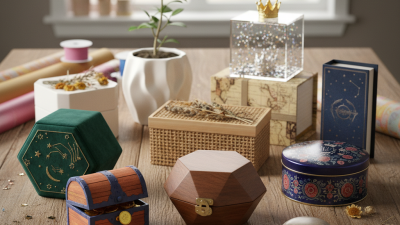
In today's competitive market, personalized packaging stands out as a crucial element for brand success. It is not just about aesthetics; it reflects a company’s commitment to customer satisfaction. Investing in personalized packaging solutions can enhance a product's appeal and ensure a memorable unboxing experience.
Global buyers increasingly seek uniqueness in their purchases. Personalized packaging offers businesses a way to connect with their customers on a deeper level. It creates a sense of ownership and loyalty, essential for long-term success. Yet, companies must navigate challenges in this area. Striking the right balance between customization and cost-effectiveness is vital.
Understanding the needs and preferences of diverse markets is key. Personalized packaging requires thorough research and expert execution. Brands must be aware of their target audience's expectations. Finding the right supplier for these packaging solutions is equally important. When done right, personalized packaging can distinguish a brand in a saturated marketplace. It invigorates the product and resonates with consumers in profound ways.
The Importance of Personalized Packaging in Market Differentiation
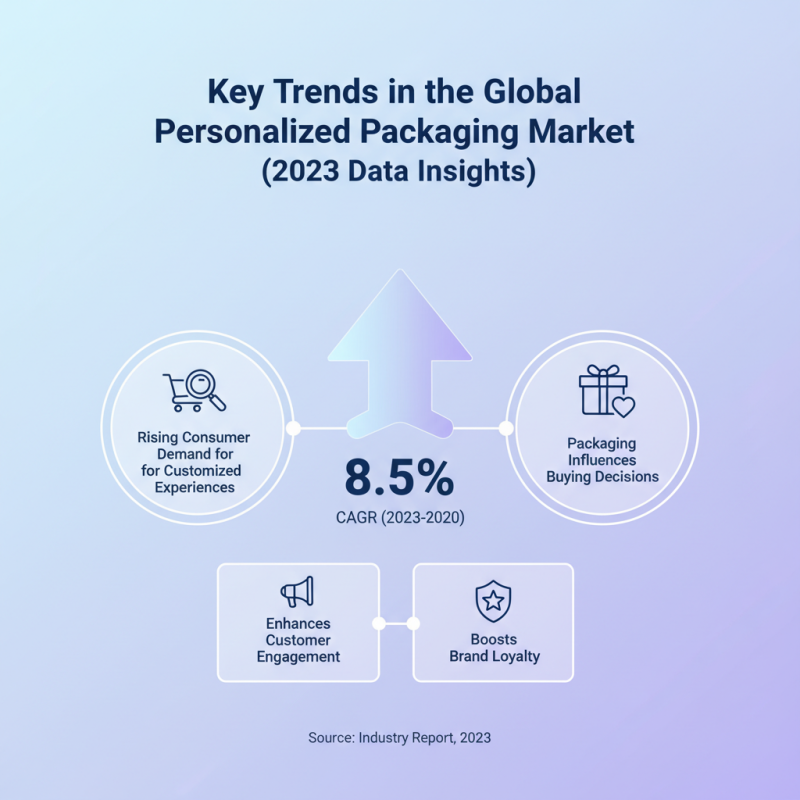
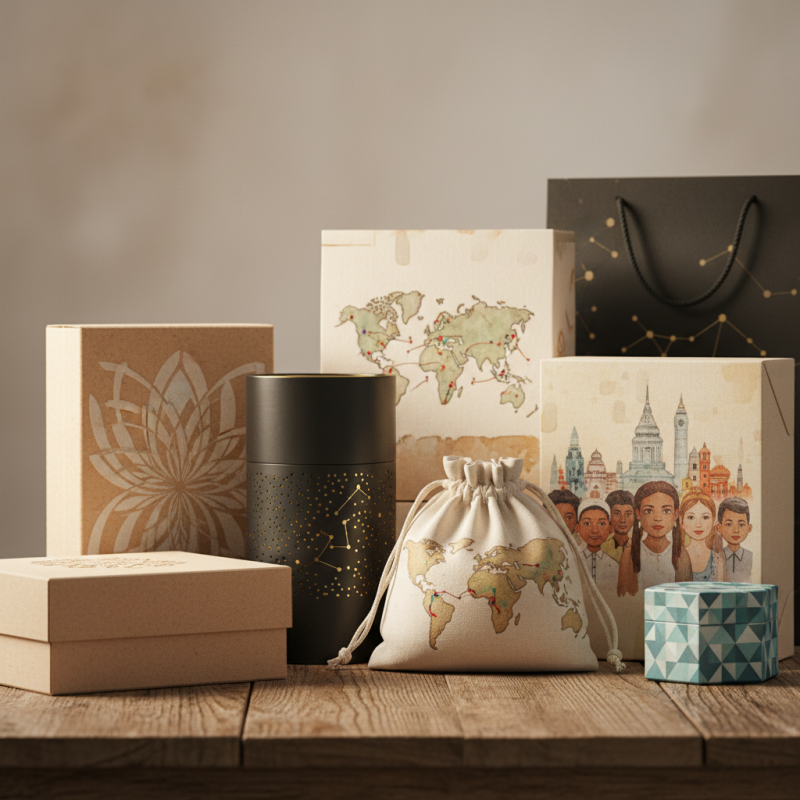
Personalized packaging has become essential in today’s competitive market. It enhances brand identity and creates memorable experiences for consumers. This strategy allows brands to stand out in crowded marketplaces. Unique designs and custom messages attract attention. They engage customers on a personal level, fostering loyalty and repeat purchases.
Many businesses overlook the importance of packaging details. Simple elements like color, texture, and design can convey a brand's message. A well-crafted package can evoke emotions and create intrigue. However, the challenge lies in balancing uniqueness with functionality. Packaging that is too complex can confuse consumers and increase costs. As a result, businesses must reflect on their packaging choices regularly.
Examining customer feedback is crucial. Some brands might focus too much on aesthetics and neglect practicality. Finding the right balance is key. Personalized packaging should not only look good but also be practical. The ultimate goal is to enhance the overall customer experience.
Innovative Materials Driving Growth in Personalized Packaging Solutions
Personalized packaging solutions are gaining traction globally.
Innovative materials play a crucial role in this growth. Companies are exploring eco-friendly options,
such as biodegradable plastics and recycled papers. These materials not only appeal to consumers but also reduce environmental impact.
Customizable designs enrich the customer experience. Brands can reflect their values and connect with their audience through tailored packaging.
Tips: Consider the lifecycle of your packaging materials. Ensure they are sustainable and can be repurposed.
This approach not only benefits the planet but also enhances brand image. Look for local suppliers.
This decision can minimize shipping costs and carbon footprints.
Transitioning to personalized packaging will not be seamless. Businesses might face challenges.
Sourcing reliable materials can be difficult. Balancing customization with functionality requires careful planning.
Measuring consumer response is vital. Gather feedback to refine your approach. Continuous improvement will lead to sustainable growth in personalized packaging solutions.
Cost-Benefit Analysis of Implementing Personalized Packaging Strategies
Personalized packaging can enhance brand loyalty. However, a cost-benefit analysis is crucial before implementation. On one hand, personalized packaging can drive customer engagement. A unique, tailored design stands out and captures consumer interest. It creates a memorable experience. This can lead to increased sales and higher customer retention rates.
On the flip side, costs can escalate quickly. Customized materials may require significant investment. Production runs might be smaller, leading to a higher per-unit cost. Additionally, logistics and inventory management can become more complex. Balancing creativity and practicality is often challenging. Companies must evaluate if the potential increase in revenue justifies the added costs. Decisions should consider both short-term gains and long-term sustainability.
Careful analysis is critical. Every packaging decision impacts product perception. Striking the right balance between personalization and cost is not simple. Companies must continually assess their strategies. Feedback and data can guide improvements. It's a dynamic area that needs ongoing attention.
Consumer Preferences and Their Impact on Personalized Packaging Design
Consumer preferences heavily influence personalized packaging design. Today, consumers seek more than just a product; they desire a unique experience. This has prompted brands to adopt tailored packaging solutions.
Custom designs, vibrant colors, and distinctive shapes resonate with buyers. Many prefer eco-friendly materials. They want their choices to reflect their values. This trend pushes brands to innovate constantly.
Personalized packaging can increase engagement. For instance, packaging that includes the customer's name or a personal message makes a product feel special. This emotional connection is crucial. However, brands must balance personalization with practicality. Excessive customization can complicate production processes and inflate costs. Moreover, there is a risk of alienating customers who prefer simplicity.
Market research shows that younger consumers, especially millennials and Gen Z, prioritize personalized experiences. They want packaging that tells a story. However, what works for one demographic may not appeal to another. Brands must explore demographic nuances. Understanding these preferences can enhance overall customer satisfaction. Balancing innovation with consumer insights is essential. It's a delicate dance that requires ongoing reflection and adaptation.
 Skip to content