What Are Super Absorbent Tampons Used For?
Super Absorbent Tampons are designed for days when menstrual flow feels difficult to manage with regular absorbency products. They contain more absorbent material and may reduce leakage during heavier bleeding. A busy morning, a long work shift, or a crowded journey can make that difference noticeable. Still, stronger absorption does not mean longer wear.
Many users choose them after noticing frequent changes, stained clothing, or discomfort from unexpected flow. However, personal experience can be misleading. A tampon that feels secure may still be too absorbent for your actual needs. Use the lowest absorbency that controls your bleeding, and follow the product’s instructions carefully. Replace tampons regularly, and never wear one longer than the recommended time.
Safety matters. Toxic shock syndrome is rare but serious, so remove the tampon and seek urgent medical advice if sudden fever, vomiting, dizziness, rash, or unusual weakness develops. Super Absorbent Tampons should not be used to hide unusually heavy bleeding. Soaking through a pad or tampon every hour, passing large clots, or feeling persistently tired may require professional evaluation. A healthcare professional can help identify causes such as fibroids, hormonal changes, or anemia.
This guide will examine what Super Absorbent Tampons are used for, who may benefit from them, and when another product may be safer. The right choice is personal. It should also be informed.
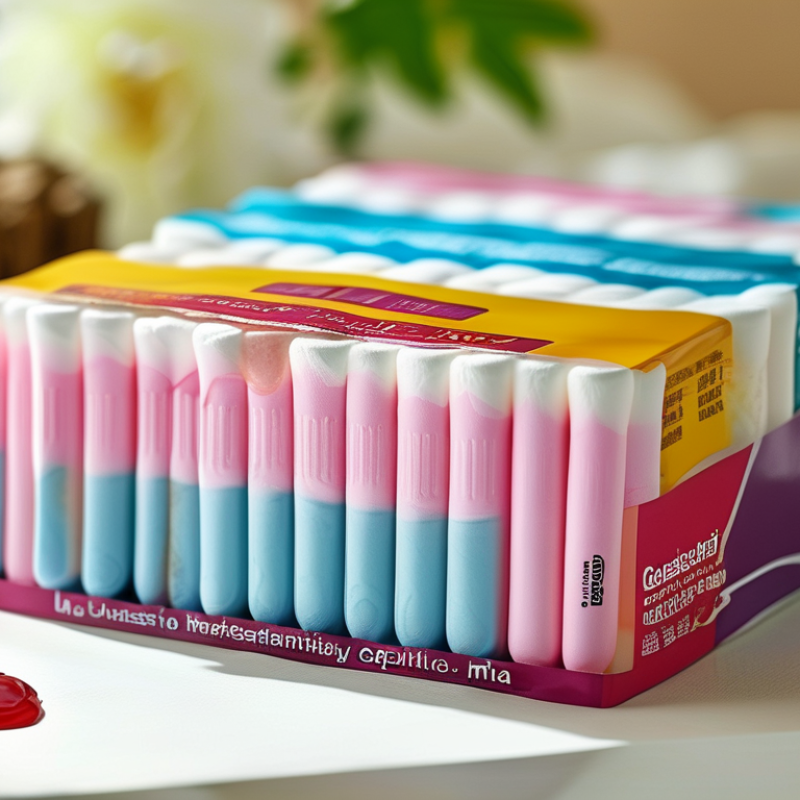
What Super Absorbent Tampons Are
What Are Super Absorbent Tampons Used For?
Super absorbent tampons are internal menstrual products designed for moderate to heavy menstrual flow. They contain compressed absorbent fibers, usually cotton, rayon, or a blend. These fibers expand after absorbing menstrual fluid. The applicator or insertion design helps position the tampon inside the vagina.
According to the U.S. Food and Drug Administration’s menstrual tampon guidance, “super” absorbency generally holds more than 9 grams and up to 12 grams of fluid. Super plus products hold more than 12 grams and up to 15 grams. These figures describe laboratory absorbency, not an exact prediction of personal use. Real flow varies widely. That distinction matters.
On heavier days, a super absorbent tampon may reduce changes during work, travel, or overnight routines. It should still feel comfortable and should not be difficult to remove. The FDA advises using the lowest absorbency that manages bleeding and changing tampons every four to eight hours. Never leave one in longer than eight hours. Unusual fever, dizziness, rash, or sudden weakness needs prompt medical attention because toxic shock syndrome is rare but serious. A common mistake is choosing maximum absorbency for convenience. I should question that habit. More absorption does not automatically mean better protection.
How Super Absorbent Tampons Work
What Are Super Absorbent Tampons Used For?
How Super Absorbent Tampons Work
Super absorbent tampons are designed for heavier menstrual flow. They contain tightly packed absorbent fibers, often made from cotton, rayon, or a blend. These fibers draw menstrual fluid inward through tiny spaces between them. This process is called capillary action.
As fluid enters, the tampon expands inside the vaginal canal. Its shape helps it rest against the vaginal walls, where absorption continues. The applicator only helps with insertion. It does not increase absorbency.
It sounds simple, but the design is not perfect. A super absorbent tampon may feel dry or uncomfortable when menstrual flow is light. Removal can then cause friction and irritation. I used to think stronger absorbency was always safer for busy days; that assumption needs reconsideration.
Choose the lowest absorbency that manages your flow. Change the tampon every four to eight hours, and never leave it in longer than eight hours. If you notice sudden fever, vomiting, dizziness, rash, or unusual weakness, remove it and seek urgent medical care. These symptoms can rarely signal toxic shock syndrome, a serious condition linked with tampon use. Super absorbency is useful, but it should match your actual flow rather than your worry about leakage.
When Super Absorbent Tampons Are Used
What Are Super Absorbent Tampons Used For?
When Super Absorbent Tampons Are Used
Super absorbent tampons are designed for days when menstrual bleeding is heavier than usual. They may help when a regular tampon becomes saturated quickly or leaks during work, travel, or exercise. A practical sign is frequent changing, such as every hour or two. However, unusually heavy bleeding deserves medical attention, especially with dizziness, weakness, or large clots.
Choose the lowest absorbency that manages your flow. Higher absorbency does not provide better protection on lighter days. It can also cause dryness and discomfort when removal becomes difficult.
Super absorbent tampons are not intended for vaginal discharge or urinary leakage. They should never stay in longer than the package instructions allow, and eight hours is the absolute maximum commonly advised.
Overnight use requires honest planning. If you may sleep longer than eight hours, a pad can be a safer option. Wash your hands before and after changing the tampon.
Stop using tampons and seek urgent medical care if you develop sudden fever, vomiting, diarrhea, dizziness, faintness, or a rash resembling sunburn. These symptoms can rarely signal toxic shock syndrome.
It is easy to treat absorbency as a simple numbers game, but comfort and bleeding patterns matter more. If heavy flow continues across several cycles, speak with a qualified healthcare professional rather than repeatedly choosing stronger absorbency.
Choosing the Right Absorbency Level
Super absorbent tampons are designed for heavy menstrual flow, not for every period day. Choosing the highest absorbency “just in case” can cause dryness, discomfort, and difficult removal. The safer approach is to match the tampon to your actual flow. Start with the lowest absorbency that provides reliable protection. If leakage appears after a short time, move up one level. If the tampon feels dry after several hours, move down.
Flow often changes during one cycle. A higher absorbency may suit the heaviest hours, while a regular or light option may work later. Check the product directions and change tampons as instructed, generally within four to eight hours. Never leave one inserted longer than the stated limit. Use an external menstrual product when a tampon is unnecessary, especially overnight if that feels more comfortable. Small details matter.
Pain is a warning sign. So is persistent dryness. Super absorbent tampons should not manage unusually heavy bleeding without medical advice. Soaking through protection every hour, passing very large clots, or feeling weak deserves prompt professional attention. Toxic shock syndrome is rare, but sudden fever, vomiting, rash, dizziness, or faintness requires immediate medical care and tampon removal. Absorbency labels are useful, though they are not perfectly standardized. Personal testing can help, but comfort and safe timing should guide the choice—not anxiety.
What Are Super Absorbent Tampons Used For? - Choosing the Right Absorbency Level
| Absorbency Level | Approximate Absorption Capacity* | Typically Suitable For | Common Use Situations | Selection Guidance |
| Light | Up to 6 g | Very light menstrual flow or the final days of a period | Light spotting associated with menstruation | Choose this level when a higher-absorbency tampon feels dry or uncomfortable during removal. |
| Regular | More than 6 g to 9 g | Light to moderate menstrual flow | Typical daytime use for many people | A practical starting level for days when bleeding is neither especially light nor heavy. |
| Super | More than 9 g to 12 g | Moderate to heavy menstrual flow | Heavier days, active periods, or situations requiring greater protection | Use when a regular tampon becomes saturated quickly or leaks before it is time to change. |
| Super Plus | More than 12 g to 15 g | Heavy menstrual flow | Peak-flow days when lower absorbencies do not provide adequate protection | Select only if necessary, and reduce the absorbency as soon as a lower level provides adequate protection. |
| Ultra | More than 15 g to 18 g | Very heavy menstrual flow | Short-term use when other absorbency levels are insufficient | Use with particular care and seek medical advice for regularly very heavy bleeding. |
*Capacity note: Absorbency ranges are approximate regulatory labeling categories and may vary slightly by product design and testing method. Use the lowest absorbency that effectively manages your flow.
Safety reminders: Change tampons every 4 to 8 hours, never use one for longer than 8 hours, and follow the package instructions. Toxic shock syndrome is rare but serious; remove the tampon and seek urgent medical care if sudden fever, vomiting, diarrhea, dizziness, fainting, or a sunburn-like rash develops during or soon after tampon use.
When to seek medical advice: Consult a healthcare professional if you regularly soak through a pad or tampon every hour for several consecutive hours, need double protection, pass large blood clots, or experience unusually heavy or prolonged periods.
Safe Use and Important Precautions
Super absorbent tampons are designed for heavier menstrual flow. The CDC reports that nearly one in five women experience heavy menstrual bleeding. However, higher absorbency does not mean better protection for everyone. Choose the lowest absorbency that controls your flow. A tampon should not feel painful, dry, or difficult to remove.
The U.S. Food and Drug Administration advises changing tampons every four to eight hours. Never wear one longer than eight hours. Toxic shock syndrome is rare, but it can become life-threatening quickly. Watch for sudden fever, vomiting, diarrhea, dizziness, fainting, muscle aches, or a sunburn-like rash. Remove the tampon and seek urgent medical care if these symptoms appear. The FDA also requires absorbency information on tampon packaging, helping users make safer choices. Still, absorbency labels are not perfectly intuitive. Personal flow patterns can change.
Tips: Use super absorbency only on your heaviest days. Switch to a lower absorbency when bleeding becomes lighter. Wash your hands before and after insertion. Do not use tampons for discharge or outside menstruation. Consider pads at night if you may sleep beyond eight hours. If heavy bleeding soaks through a tampon every hour, consult a qualified healthcare professional. That detail matters. Persistent heavy flow may need medical evaluation.
What Are Super Absorbent Tampons Used For?
Standard tampon absorbency ranges in grams
Super absorbent tampons are designed for heavier menstrual flow and generally absorb about 9–12 grams of fluid. Choose the lowest absorbency that adequately manages your flow. Change tampons every 4–8 hours, never use one for more than 8 hours, and stop using tampons and seek medical advice if symptoms such as sudden fever, vomiting, diarrhea, dizziness, fainting, or a sunburn-like rash occur.
Absorbency ranges are based on standardized U.S. FDA tampon absorbency categories. Actual performance may vary by product and individual use.

 Skip to content