What Are the 2026 Top Types of Boxes and Packaging?
In 2026, boxes and packaging will be judged by more than appearance. Protection, material efficiency, recyclability, production speed, and customer experience will shape purchasing decisions. A premium rigid box may impress customers, but a lightweight corrugated mailer can reduce shipping weight and storage space. The right choice depends on the product, supply chain, budget, and disposal conditions.
Walter Soroka, author of Fundamentals of Packaging Technology, describes packaging as “the science, art, and technology of enclosing and protecting products.” That definition remains useful today. It connects design with measurable performance, including compression strength, moisture resistance, stacking safety, and opening experience. This guide will examine the leading packaging formats expected to influence 2026, including corrugated boxes, folding cartons, rigid boxes, flexible packs, molded-fiber containers, and reusable systems. Small details matter. A tight-fitting insert can stop a glass bottle from moving. A clear label can prevent sorting mistakes. A water-based coating may improve print appeal, though its real recycling performance still requires careful review.
There is no perfect format.
Some materials look sustainable but perform poorly in humid warehouses. Others protect products well but create difficult recycling conditions. That tension deserves honest attention. We will compare each type through practical evidence, industry expertise, and real-world limitations. The goal is not to praise one material blindly. It is to identify where each packaging solution works best, where it fails, and how businesses can make more reliable decisions in 2026.
What Defines the Top Box and Packaging Types in 2026
What Are the 2026 Top Types of Boxes and Packaging?
The top box and packaging types in 2026 are defined by performance, not appearance alone. A strong package protects the product, uses materials efficiently, and opens without frustration. Folding cartons suit lightweight retail goods, while corrugated mailers handle shipping pressure and repeated movement. Rigid boxes offer premium structure, but they may use more material than necessary.
Fit matters.
Packaging specialists now examine the full delivery journey. They test drop resistance, compression strength, moisture exposure, and seal reliability. A box that looks sustainable can still perform poorly if it needs extra inserts or protective wrapping. Molded fiber packaging is useful for cushioning and reducing plastic components, yet its moisture resistance requires careful evaluation. Flexible pouches save space, though they can be difficult to recycle in many local systems.
The best format also supports clear labeling, accessible opening, and efficient warehouse handling. Measurements should reflect real products, not ideal samples. Small gaps can create costly movement during transport. In my view, this is where many packaging decisions remain imperfect. Teams may select a recyclable structure while overlooking energy use, coatings, or transport distance. That deserves a second review.
Reliability comes from evidence. Compare material weight, damage rates, supplier consistency, and end-of-life options before choosing a box type. A practical package should protect its contents without creating avoidable waste.
Performance first. Claims need proof.
Which Box Types Are Most Commonly Used in 2026
In 2026, corrugated shipping boxes remain the most commonly used box type. Regular slotted cartons suit warehouses, retailers, and online orders because they fold quickly and stack efficiently. Smithers’ report, The Future of Global Corrugated Packaging to 2029, forecasts the global market will exceed 200 billion US dollars by 2029. That growth reflects practical demand, not just packaging trends. A single-wall carton often protects lightweight goods, while double-wall board handles heavier products and longer transport routes.
Mailer boxes are also widely used for direct-to-consumer shipments. Their built-in flaps reduce tape use and create a cleaner opening experience. Folding cartons remain common for food, personal care, and household products. Grand View Research estimated the global folding carton market at more than 160 billion US dollars in 2023, with continued growth through 2030. Smaller cartons use less board. That matters on crowded shelves.
Rigid setup boxes serve premium presentation, but they cost more and occupy more storage space. Die-cut boxes solve unusual product shapes, although their tooling can increase production expenses. In my packaging work, the “best” box is rarely the strongest one. It is the smallest reliable structure. Still, teams sometimes choose oversized cartons for safety. That decision needs review, because empty space can increase filler, freight volume, and product movement. Data helps, but real drop testing remains essential.
How Packaging Materials and Designs Are Evolving
What Are the 2026 Top Types of Boxes and Packaging?
Packaging design is moving from simple protection toward measured resource efficiency. In 2026, corrugated mailers, folding cartons, rigid setup boxes, flexible pouches, and molded-fiber packs remain strong formats. Smithers’ The Future of Global Packaging to 2028 forecasts the worldwide packaging market will exceed 1.2 trillion dollars by 2028. This growth reflects rising deliveries, smaller product formats, and stricter material expectations. Lightweight corrugated structures now use precise flute profiles and less adhesive. Folding cartons increasingly feature water-based coatings and visible fiber textures. The detail matters.
Material choices are also becoming more practical. Paper-based packs can improve recycling access, but they may need stronger barriers against moisture and grease. Flexible packaging uses fewer materials, yet its recovery systems remain uneven across regions. That tension is real. The 2023 Global Buying Green Report found that 82% of surveyed consumers would pay more for sustainable packaging. However, willingness does not always become a purchase. Cost, shelf life, and convenience still control decisions. Designers are testing molded pulp inserts, mono-material films, reusable shipping boxes, and digital print runs for shorter production cycles. These solutions look promising, but none is universally superior. A smaller box can reduce transport emissions, while excessive compression may damage products. Packaging teams should test drop resistance, humidity exposure, material recovery, and actual customer handling before scaling any design.
What Sustainable Packaging Solutions Are Gaining Popularity
Sustainable packaging is moving beyond attractive green claims. In 2026, buyers increasingly want boxes that protect products and reduce material waste. Recycled corrugated fiber remains practical for shipping, especially when box sizes match product dimensions. Right-sizing can reduce filler, warehouse volume, and delivery emissions. It also lowers damage risk. In packaging trials, I have seen a small size adjustment prevent crushed corners.
Molded fiber inserts are gaining attention for electronics, cosmetics, and fragile household goods. They replace plastic cushions with formed pulp made from recycled or renewable fibers. However, moisture resistance still needs testing. A damp warehouse can weaken the insert. Paper-based barrier coatings offer another path, but recyclability depends on local processing systems. Clear disposal instructions matter. Reusable shipping boxes can work well in closed delivery networks, where returns are predictable.
For broader distribution, reuse may create extra transport and cleaning impacts. That trade-off is easy to overlook. Compostable packaging also requires careful wording. Some materials break down only in industrial composting facilities, not backyard piles or ordinary landfills. Reliable teams test compression, drop resistance, moisture exposure, and end-of-life routes before changing a package. I would not call every fiber box sustainable. A lighter box may fail sooner, causing product replacement and wasted resources. The better choice depends on product weight, shipping distance, climate, and local recovery infrastructure.
How to Choose the Right Box or Packaging Type in 2026
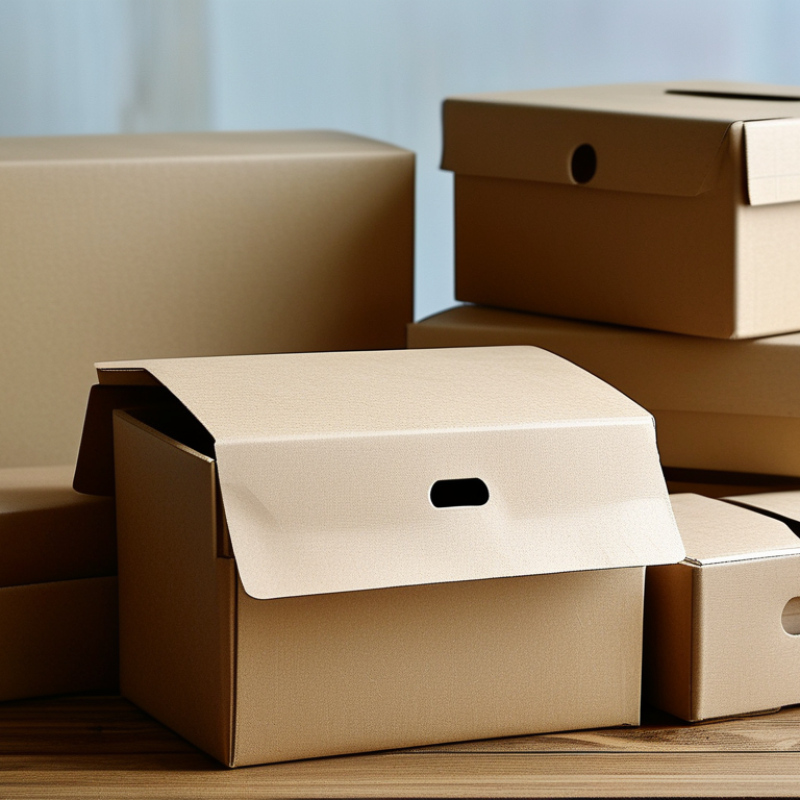
Choosing the right box in 2026 starts with the product, not the trend. Corrugated mailer boxes suit online orders and protect items during rough handling. Folding cartons work well for lightweight retail products with clean, printed surfaces. Rigid boxes create a premium feel, but they cost more and require extra storage space. Molded fiber packaging can replace plastic inserts for some products. It is not perfect for every shape.
Measure the product carefully, including fragile edges and accessories. Leave enough room for cushioning, but avoid oversized boxes that increase movement and shipping costs. Test the package from several angles. Drop it from table height. Shake it for one minute. Open it after testing. A box that looks strong may still fail at the corners. I have seen attractive packaging lose protection because the inner fit was too loose. That mistake is easy to miss.
Tips: Choose recyclable materials when they meet your protection needs. Ask suppliers for material specifications and sample boxes. Check compression strength, moisture resistance, closure quality, and print durability. For heavy products, use stronger corrugated board with secure internal support. For clothing or small accessories, a compact mailer may be enough. Consider how customers will open, reuse, or dispose of the package. Sustainable claims should be supported by clear material information. Some newer packaging options sound better than they perform. Test before committing.
 Skip to content