...

How to Choose the Best Cosmetic Boxes for Your Brand

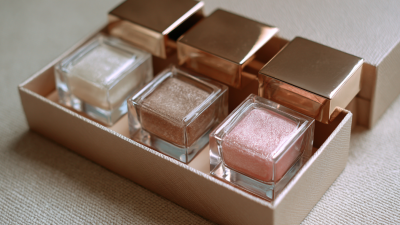
Choosing cosmetic boxes is a practical brand decision, not merely a color exercise. The right box protects delicate jars and bottles, presents your visual identity, and helps customers understand what makes your product worth choosing. A soft-touch finish may feel elegant in the hand. A secure insert can keep a glass serum bottle from shifting during delivery. Small details matter.

Packaging expert Lars Wallentin has long emphasized clear, consumer-focused communication. Put simply, his approach suggests: “A package should communicate value before it is opened.” This is a paraphrase, not a verbatim quotation. It offers a useful lens for comparing box styles, materials, and finishes.

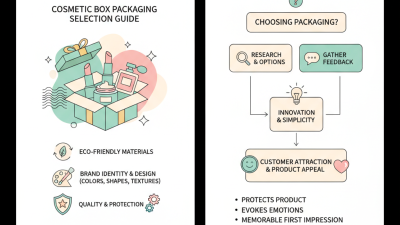
Start with the product itself. Consider its weight, shape, closure, and sensitivity to light or impact. Then consider the shelf: Will customers notice the box beside similar products? Readable product names, restrained colors, and thoughtful structure often work harder than extra decoration. Your packaging should also feel consistent with your price point and brand promise.

There is no perfect box for every brand. A design that looks beautiful on screen may feel bulky or arrive damaged. That is worth testing. Compare samples, check how they fit your products, and review print quality under ordinary store lighting. This guide explores the choices that can help your cosmetic boxes look distinctive, protect their contents, and make a credible first impression.
How to Choose the Best Cosmetic Boxes for Your Brand

Define Your Product, Audience, and Packaging Requirements

Choosing cosmetic boxes starts with the product itself, not a favorite color. Define its size, weight, shape, and protection needs. A glass serum bottle needs a snug insert and strong board. A lightweight balm may need less internal support. Measure the product after filling it. Caps and pumps often add unexpected height. I learned this after a prototype crushed the inner tray. Small error, expensive revision.

Your audience should guide the opening experience and visual language. Ask how customers shop: online, in boutiques, or as gifts. Online orders need boxes that resist rubbing, moisture, and pressure. Premium buyers may notice paper texture, clean edges, and quiet color choices. Younger audiences may prefer compact packaging with clear disposal instructions. Do not guess from age alone. Interviews, purchase data, and small packaging tests provide stronger evidence. One attractive sample proves very little.

Turn those findings into measurable packaging requirements. Set limits for dimensions, unit cost, print coverage, closure style, and shipping weight. Request material details and test samples from qualified suppliers. Check color consistency under store lighting. Test opening, stacking, and drop resistance before approving production. Accessibility matters too; tight lids can frustrate customers with limited hand strength. Sustainability claims require evidence, not vague wording. I still revise briefs after testing because real hands expose flaws that drawings hide. Leave room for that learning.

Compare Box Materials, Durability, and Product Protection

How to Choose the Best Cosmetic Boxes for Your Brand

Cosmetic packaging must balance appearance, durability, and product protection. Folding boxes made from SBS paperboard offer clean printing and smooth surfaces. They suit creams, palettes, and lightweight bottles. Corrugated board provides stronger cushioning for heavier glass containers. Molded pulp adds structure, but its rough texture may reduce premium shelf appeal. A thicker box is not automatically safer. Poor internal fitting can still allow movement, dents, or cracked caps.

Smithers’ The Future of Sustainable Packaging to 2028 reports that the global sustainable packaging market reached about 274 billion dollars in 2022. McKinsey’s 2023 packaging survey, covering more than 11,000 consumers, also found strong consumer preference for recyclable paper and cardboard formats. These findings support paper-based choices, but protection must come first. Test compression, drop resistance, moisture exposure, and vibration before approving a box. For heavier products, consider paperboard with reinforced folds or a corrugated insert. Small gaps matter.

Tips: Match the board to the product weight. Use caliper and compression testing, not appearance alone. Check whether the box survives a one-meter drop with the product inside. Review supplier test records, but repeat key tests independently. Packaging decisions are rarely perfect; an elegant box may still fail in humid delivery conditions. A slightly simpler structure can protect better and create less material waste.

Choose the Right Box Size, Shape, and Opening Style

How to Choose the Best Cosmetic Boxes for Your Brand

Box size should follow the product, not an optimistic sales idea. A compact cream jar needs a snug fit, while a glass serum bottle needs protective clearance. Leave enough space for cushioning, but avoid oversized cartons that feel wasteful. McKinsey’s 2023 global packaging survey found that 60–70% of consumers would pay more for sustainable packaging. Right-sizing supports that expectation and can reduce shipping volume.

Shape also affects shelf presence and handling. A tall box can emphasize a slender bottle, while a square box may provide better stability. Test the package in a customer’s hand, not only on a design screen. Check whether it fits bathroom shelves, cosmetic bags, and delivery cartons. I have seen attractive shapes create awkward storage problems. That choice needs reconsideration.

Opening style should match the usage moment. A tuck-end box offers efficient access, while a magnetic closure creates a slower, more ceremonial reveal. For daily-use cosmetics, easy opening often matters more than drama. The Consumer Packaging Insights Council reported in 2023 that convenience remains a major packaging purchase factor across consumer categories. Use an insert when the product moves inside the box. It should lift smoothly, not trap the fingers. Small details matter. A practical prototype, tested repeatedly, will expose weaknesses that polished drawings often hide.

Evaluate Branding, Printing, and Regulatory Information

A cosmetic box should make the product easy to recognize before a customer picks it up. Keep the logo, product name, and key benefit readable at a glance. A small jar may need larger type than a tall carton because its front panel offers less space. Choose colors and images that suit the product, but check how they look under store lighting. Subtle shades can disappear on a glossy shelf. Less can be more.

Printing choices affect both appearance and practical use. Request a physical proof, not just a screen preview, and inspect fine text, color consistency, and folds. Matte coatings can feel soft, while gloss may make colors look brighter; neither option fixes poor contrast. Check that the box still closes cleanly after coatings or inserts are added. I have seen attractive layouts lose clarity when legal copy is squeezed into the last available corner. That is worth rethinking.

Before approving production, verify required details for each market where the product will be sold. Depending on the product and location, packaging may need ingredient information, net contents, warnings, directions, or responsible-party details. Requirements vary and can change, so confirm them with qualified regulatory staff rather than relying on an old template. Keep enough clear space for readable text, and compare the final printed box with the approved copy. Small differences matter.

How to Choose the Best Cosmetic Boxes for Your Brand - Evaluate Branding, Printing, and Regulatory Information

Decision area What to evaluate Practical options or checks Why it matters
Product fit and protection Box dimensions, product weight, fragility, and shipping conditions Measure the filled product; check insert fit and closure strength; test samples under realistic handling and shipping conditions. A well-fitted package helps limit movement and damage while avoiding unnecessary material and shipping volume.
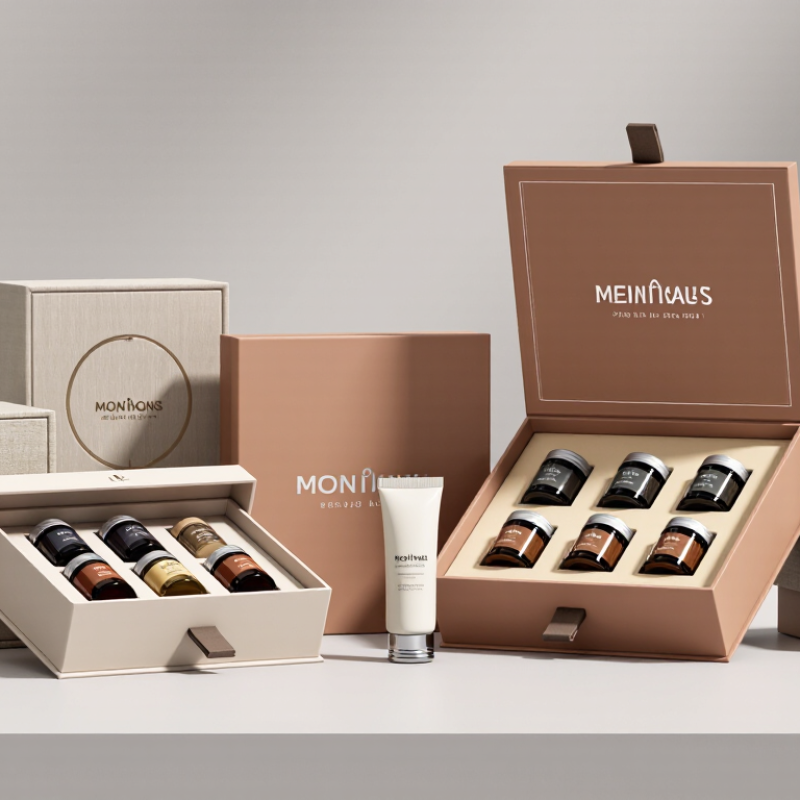
Box style and opening experience Retail presentation, ease of opening, shelf display, and product access Compare folding cartons, rigid boxes, sleeves, and mailer-style cartons according to product size, use, and distribution channel. The structure affects perceived quality, storage, assembly, and suitability for retail or e-commerce.
Branding and information hierarchy Logo placement, product identification, readability, and visual consistency Prioritize the product name and key visual elements; keep required text legible; review all panels at actual print size. Clear hierarchy helps shoppers identify the product and find important information quickly.
Printing method Order quantity, artwork complexity, color consistency, and production schedule Ask printers to compare suitable processes, such as offset or digital printing, for the specific run. Approve a production-representative proof. The appropriate process depends on the project; proofs help identify color, text, and layout issues before production.
Finishes and special effects Appearance, tactile effect, durability, and impact on recycling Consider matte or gloss coating, embossing, debossing, or foil; confirm availability, cost, and material compatibility with the supplier. Finishes can change appearance and production cost, and may affect how easily packaging materials can be recovered.
Materials and sustainability claims Board type, recycled content, sourcing documentation, and local recycling access Request material specifications and supporting documentation; verify recycling claims against the markets where the packaging will be sold. Material properties and recycling systems vary by location. Avoid environmental claims that cannot be substantiated.
Labeling and regulatory review Markets of sale, product category, required statements, and applicable languages Have qualified regulatory reviewers check the final artwork for each market. In the United States, cosmetic labeling requirements are overseen by the FDA; EU cosmetics are subject to Regulation (EC) No 1223/2009. Requirements depend on product and jurisdiction. A carton may carry product labeling, but the exact obligations should be confirmed for the specific product and market.
Barcode and production artwork Barcode readability, quiet zones, dielines, bleeds, and file requirements Use the correct barcode data; keep codes clear of folds and seams; follow the printer’s dieline and artwork specifications; verify a printed sample. Correct placement and print quality reduce scanning failures and avoidable production errors.
Cost, minimums, and lead time Unit cost, tooling or setup charges, minimum order quantity, and replenishment timing Compare complete quotes, including finishing, inserts, shipping, setup, and storage; confirm production and delivery schedules in writing. A low quoted unit price may not reflect total project cost or the time needed to receive finished cartons.
Quality control Color, dimensions, print alignment, structural performance, and defects Set written acceptance criteria; review a physical sample; agree on inspection procedures and how production issues will be handled. Documented checks make expectations clearer and help catch problems before distribution.

Balance Sustainability, Cost, and Supplier Reliability

Choosing the best cosmetic box requires more than attractive printing. The package must protect delicate products, control costs, and support a credible sustainability claim.

In packaging projects, I compare recycled content, coating types, ink systems, and board thickness. A lightweight box can reduce shipping costs, but weak corners may cause damage during handling. Request physical samples before approving production. Test them with realistic product weights and humid storage conditions. Small details matter.

Cost should include tooling, setup fees, minimum order quantities, freight, and rejected units. A low quoted price can become expensive after revisions. Supplier reliability deserves equal attention. Ask for production timelines, quality records, material certificates, and clear responses to defects. A dependable supplier explains delays early and documents corrective action. Audits or video inspections can provide useful evidence, but they are not perfect.

I once favored a cheaper option and underestimated its long lead time. The packaging arrived late, creating unnecessary pressure. That decision still shapes my supplier checklist. Sustainability also needs honest review. Recycled board may look responsible, yet excessive laminates can complicate disposal. Choose practical materials, measurable specifications, and a supplier willing to discuss weaknesses openly.

How to Choose the Best Cosmetic Boxes for Your Brand

Balancing sustainability, cost, and supplier reliability through a practical packaging benchmark.

Scores use a 0–100 planning scale: sustainability considers recyclable or renewable material use, cost reflects relative production and shipping expense, and supplier reliability reflects supply availability, manufacturing consistency, and typical lead-time stability. Higher scores indicate a stronger performance in each category. Use the benchmark as a starting point and confirm final specifications with qualified suppliers.

ICB_lOGO_2023